Black History Month 2026: Dr. James Still
Doctor James Still
For the 30th anniversary of Black History Month, the theme is “Honouring Black Brilliance Across Generations – From Nation Builders to Tomorrow’s Visionaries.” The Canadian Museum of Health Care will be highlighting the Black individuals’ and organizations’ contributions to healthcare both locally and globally, starting with Dr. James Still.
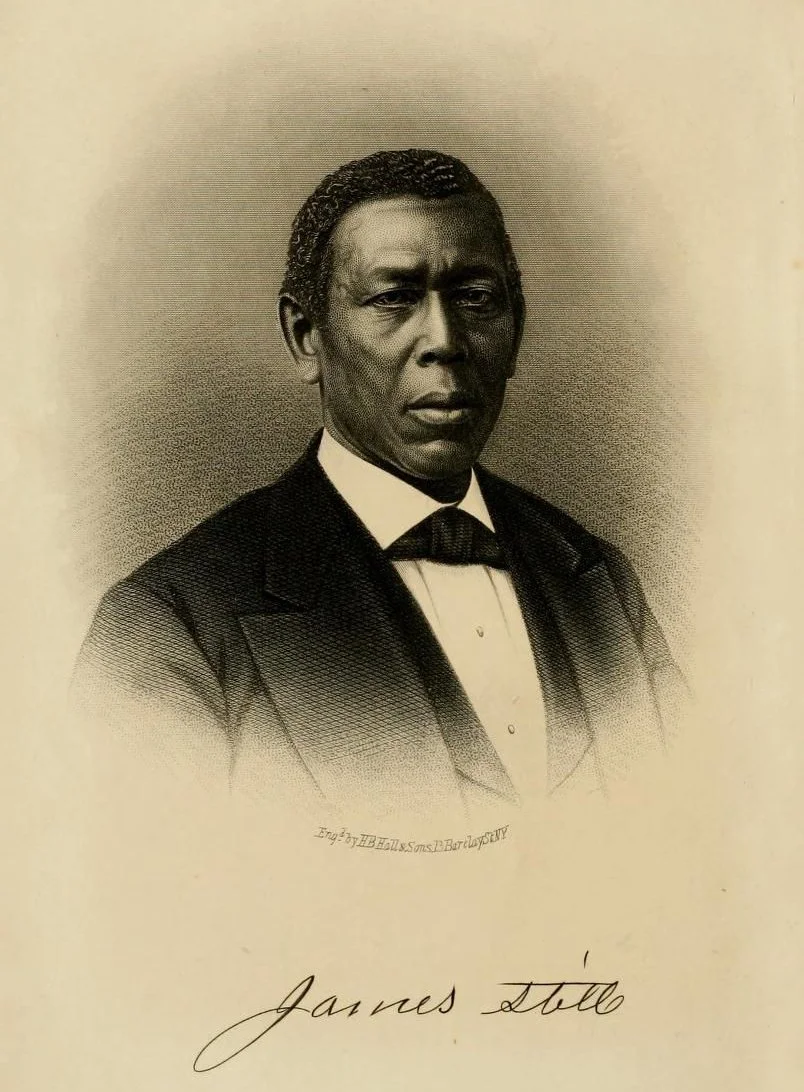
Although he had never received formal medical training, Dr. James Still (1812-1882), a free Black man from Medford Township, New Jersey, came to be known as the “Doctor of the Pines.” Born to formerly enslaved Black parents, Still spent his childhood exploring his surroundings and developing a curiosity for the natural world, hoping to become a doctor. In his memoirs, he expressed disappointment that he lacked the funds to attend medical school. Moreover, racist laws prevented Black Americans – even those who could afford the fees – from attending medical school in the first place. As a result, he spent much of his early adulthood working in factories, but his desire to become a doctor never wavered. To supplement his income, Still taught himself to extract essential oils from plants to sell them to his local druggists, and later began reading books on medical botany to satisfy his childhood curiosity.
Dr. Still claimed that when he first began reading about plants and their healing properties, he “did not intend to do anything for anybody.” However, he soon began preparing mixtures for his family and later, for his neighbours when they asked for his help. At first, Still didn’t charge for his services, as he thought of himself as just a friendly neighbour. After being fined for practicing medicine without a license, however, he began charging for providing the medicines he prepared. This was perfectly legal, as this was the era when anyone could sell medicine, but not everyone could practice it.
In addition to writing about his experiences healing others, Dr. Still provided advice to others on treating different conditions, such as cancer, tuberculosis and rheumatism. In 19th-century America, doctors – both those who went to medical school and those who did not – varied in their approach to treating illness, as many of them disagreed on their causes. One doctor might believe that the cause of cancer was an excess of blood and would thus recommend bloodletting as a treatment. Another might believe the cause to be chemical and might prescribe a preparation of mercury. Still, however, believed that medicines derived from plants could cure all illnesses, and was particularly suspicious of mercury, which was a popular treatment at the time.
In his memoir’s introduction, Dr. Still expressed the hope that others who had been barred from a formal education would be encouraged to make something of themselves. His passion for healing extended to his descendants. His son, James Thomas Still (1840-1895), was the third Black graduate from Harvard Medical School and his great-grandnephew, Dr. Cecil C. Still (1931-2012), noted the influence of his ancestor in the preface of one of his own books on botany and healing.
References
https://babel.hathitrust.org/cgi/pt?id=inu.32000009648462&seq=11&q1=sassafras
Paul Starr, The Social Transformation of American Medicine
About the Author
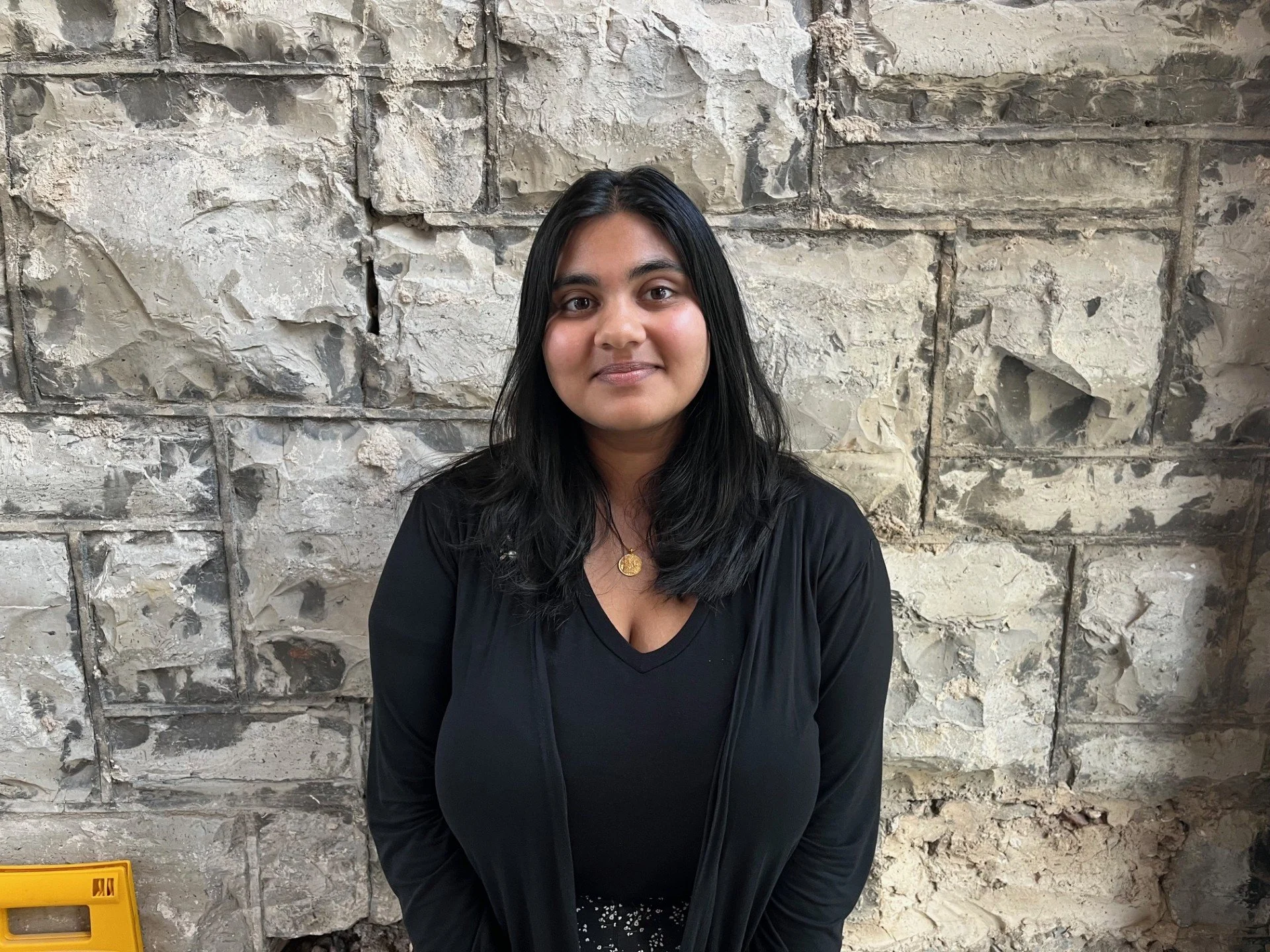
Thinugi Wickramasinghe
Thinugi is a 4th-year Concurrent Education student studying History and French, and plans on teaching at the high school level. She’s particularly interested in the history of the production of knowledge, but in her free time, she enjoys going for long walks at night, falling down Wikipedia rabbit holes, and embroidering. Thinugi has also previously completed an alternative practicum placement at the Museum and is delighted to be back.