“He can have fun right here”: Play and the Re-Branding of Children’s Hospitals
By Fiona L. Kenney
As the 2026 Margaret Angus Research Fellow, I will explore the relationship between children’s media and healthcare environments through my project, “Playing Hospital: Toys, Colouring Books, and the Spatial Imagination of Care.” The project centers on medical colouring books and toys in the Museum of Health Care’s collection, and from other archives, that both entertained kids and introduced them to the routines, spaces, and people of institutional healthcare.
Medical colouring books and toys often simplified big, complex institutions into cheerful and inviting environments, filled with smiling staff and clearly organized rooms. In many cases, they softened the institutional character of hospitals into something safe and fun, teaching kids how to interpret spaces of care and how to understand the social relationships within them. Medical toys similarly encouraged children to rehearse caregiving roles and become familiar with medical procedures through play. This project asks what these objects can tell us about the history of hospitals and the cultural meaning of care. I am particularly interested in how these materials represent architecture: how did kids interact with hospital buildings, and how was play used to make those interactions go smoothly?
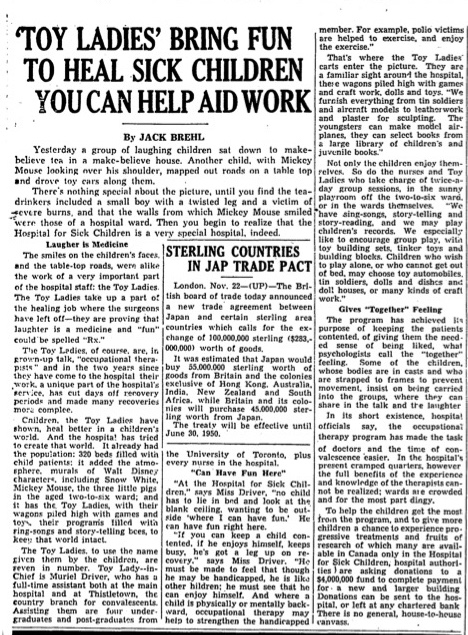
Fig. 1 Toronto Daily Star (Toronto, Ontario), Nov. 22, 1949, p. 9.
“At The Hospital for Sick Children, no child has to lie in bed and look at the blank ceiling, wanting to be outside ‘where I can have fun,’” said Muriel Driver, supervisor of the hospital’s Occupational Therapy Department, in a 1949 article for the Toronto Star. “He can have fun right here.”[1] Called the “Toy Ladies” by hospital patients, the Department had been founded in 1938 by the Junior League of Toronto, a women's organization focused on meaningful community impact through leadership.[2] The Toy Ladies and their “wagons piled high with games and craft work, dolls and toys” created community and supported recovery through play.[3] Play happened, however, despite the hospital’s architecture—at least according to the Toy Ladies themselves. The “full benefits of the experience and knowledge of the therapists [could] not be realized” because of the hospital’s “cramped quarters” and “crowded” and “dingy” wards.[4]
The Hospital for Sick Children was founded by a group of Toronto women in 1875. By the time Driver arrived, it had moved to a Romanesque building designed by architects Darling and Curry and completed in 1890. Located at the corner of College and Elizabeth streets, it accommodated 320 beds across five storeys. This was one of the first hospitals in North America to be specifically designed for children, and used nods to domestic architecture to make children feel ‘at home’.[5]
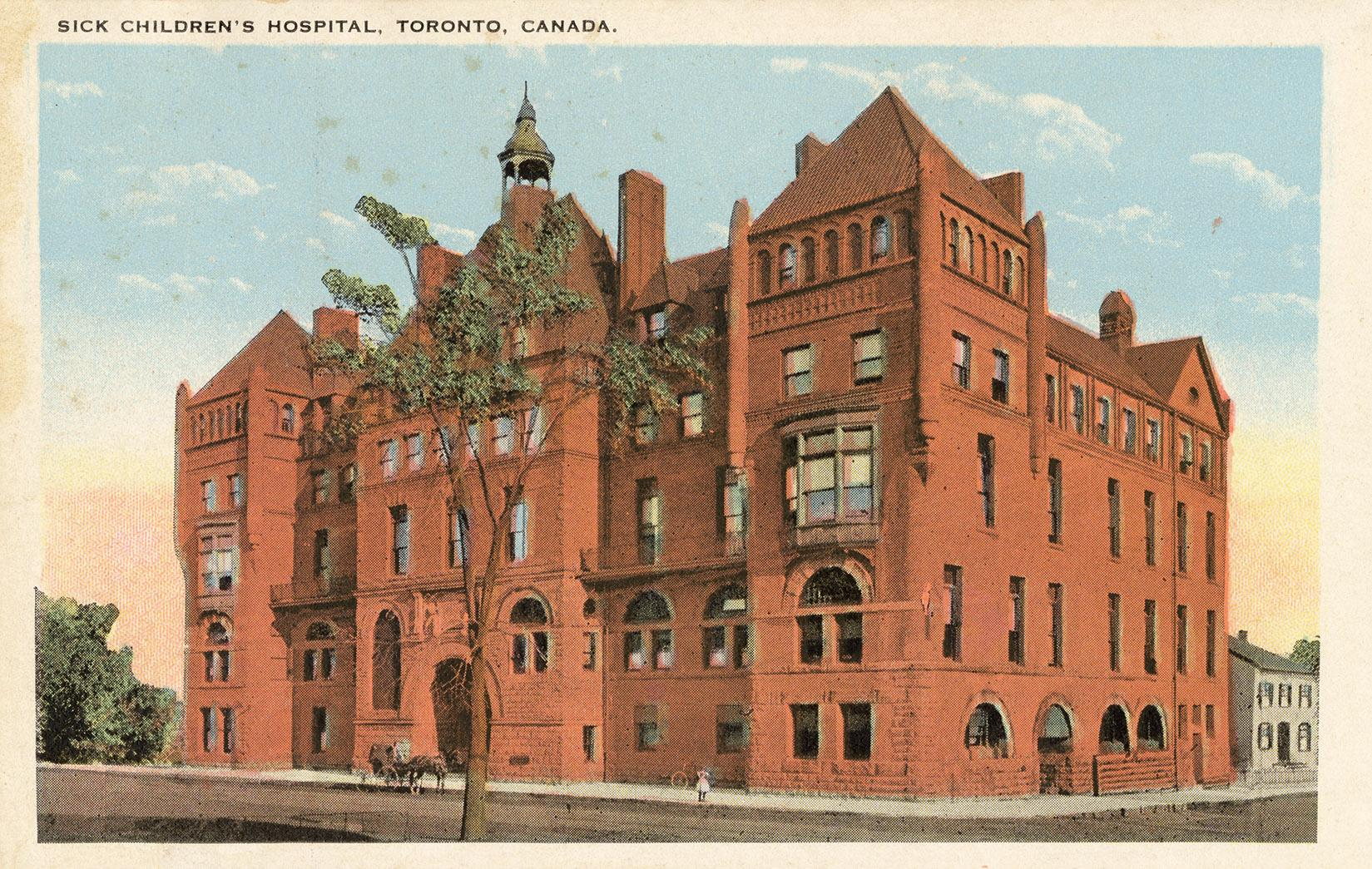
Fig. 2 Postcard showing the original location of the Hospital for Sick Children, c.1915, designed by Darling and Curry. Courtesy of Toronto Public Library.
But by the mid-twentieth century, this building was, as Driver complained, outdated and cramped. Children’s hospitals across Canada and the United States—and ideas about childhood, medicine, and architecture—had begun to change dramatically. Hospitals like the one Driver worked in gradually gave way to brighter and more specialized environments designed specifically for children. The Hospital for Sick Children, now also known as SickKids, moved in 1951 to its current location at the corner of University Avenue and Elm Street in Toronto, a purpose-built (meaning designed from scratch for this specific use, instead of retrofitting an older building) hospital designed by a large team of hospital specialists and consultants.[6] With the new, much larger building scale (over 550 beds across nine storeys), and with the development of new medical technologies and techniques, designers and administrators needed new ways of making hospitals like this one approachable to children and families.
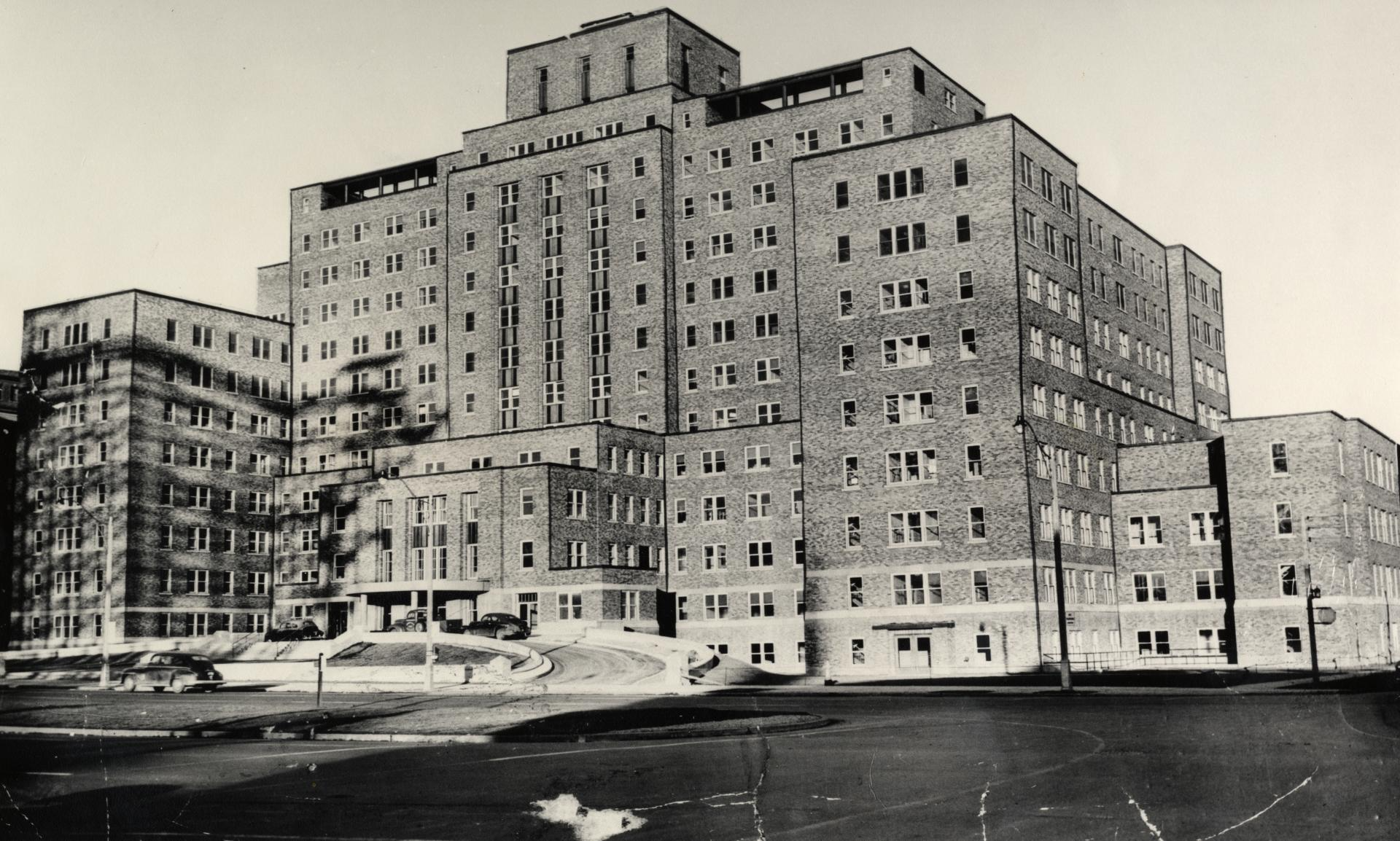
Fig. 3 The new Hospital for Sick Children, 1951. Courtesy of Toronto Public Library.
Historians like Annmarie Adams and Jeanne Kisacky have shown that modern hospitals were shaped not only by medical technologies, but also by changing ideas about the medical profession, care, and architecture itself.[7]Architectural historian Marta Gutman and historian of childhood Ning de Coninck-Smith propose that the “stuff” of childhood, like toys and kid-sized furniture, is a way of thinking about childhood not just as a life stage or social category but as something materially produced through objects, architecture, and landscapes.[8] Sunlight, colour, playrooms, murals, child-sized furniture, and spaces for parents became important features of pediatric healthcare design, in the interest of reducing fear, supporting recovery, and recognizing children as different from adults. Further, many children’s hospitals in Canada and the United States increasingly emphasized emotional wellbeing alongside medical treatment.
Children’s media formed part of this larger effort to reshape the hospital experience. Throughout the twentieth century, hospitals, public health organizations, and toy manufacturers produced paper dolls, toy medical kits, and illustrated guides that introduced children to medical spaces, tools, and people through play. While children have long since imitated adults as a form of play, the mass production of toys for imitating doctors, nurses, and patients seems to have begun in the early 1900s.[9] American physician William H. Beierwaltes traces their origins to the military toys of the turn of the nineteenth century. Military toys, he argues, provide a “remarkably accurate description of the development of ambulatory medicine.”[10] Despite this, by the mid-1980s, these toys were “a rather peculiar and generally unsuccessful variant. Perhaps children’s innate fear of white coats and hospitals dooms [medical toys] to unpopularity.”[11]
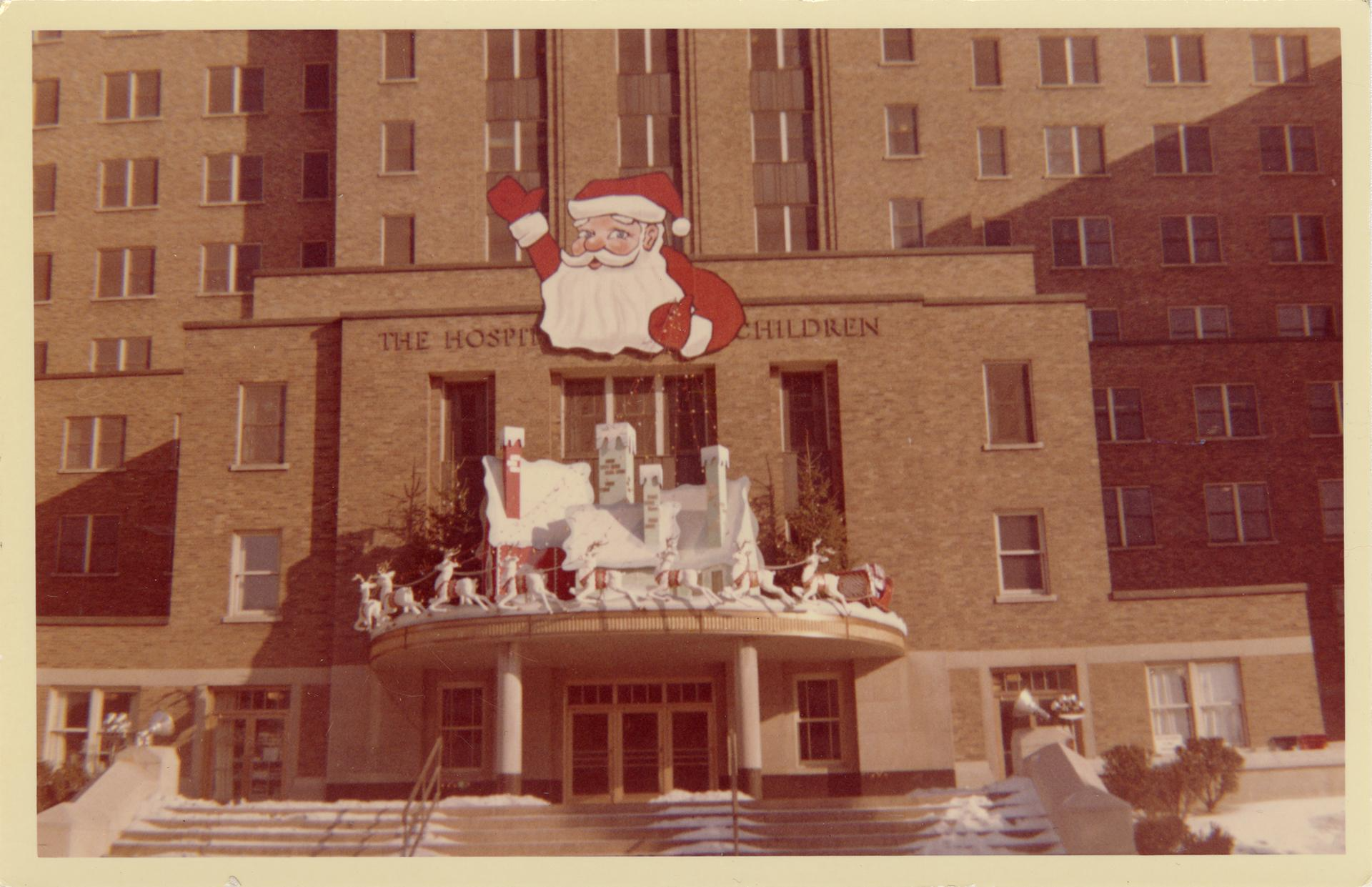
Fig. 4 Entrance to The Hospital for Sick Children, c.1965. Courtesy of Toronto Public Library.
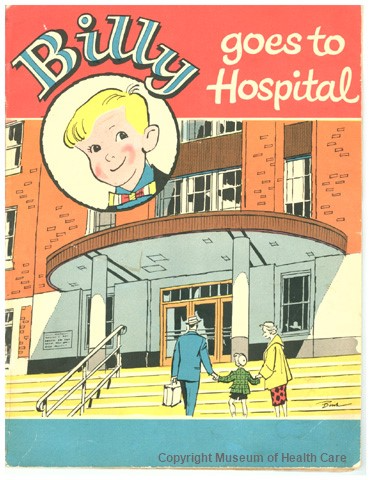
Fig. 5 Colouring book featuring the 1951 building, created by the Women’s Auxiliary of The Hospital for Sick Children, c.1965-72. Museum of Health Care # 011002001.
A colouring book produced by the Women’s Auxiliary of The Hospital for Sick Kids in the late 1960s aimed to demystify and alleviate fears about the new building and the medical personnel and technologies it contained. It used bright colours and a cartoon style to make the building’s main entrance and facade more playful (see the facade in Fig. 4 and the cover of the colouring book in Fig. 5). In a later installment of the blog, I will take a closer look at this and another colouring book in the Museum’s collection, focused on radiation therapy. In other future posts, I’ll look at two other functions of play: how and what toys taught children about the clinical encounter and how hospital wards and playrooms were designed for play.
Sources
[1] Jack Brehl, “‘Toy Ladies’ Bring Fun to Heal Sick Children - You Can Help Aid Work,” Toronto Daily Star, November 22, 1949, ProQuest Historical Newspapers.
[2] The history of occupational therapy in Canada, through the lens of craft, was the focus of Sheilah Cull’s MARF work in 2025. That manuscript is available on the Canadian Museum of Healthcare’s website.
[3] Brehl, “‘Toy Ladies’ Bring Fun.”
[4] Brehl, “‘Toy Ladies’ Bring Fun.”
[5] See Annmarie Adams and David Theodore, “The Architecture of Children’s Hospitals in Toronto and Montreal, 1875-2010,” in Children’s Health Issues in Historical Perspective, ed. Cheryl Krasnick Warsh and Veronica Strong-Boag (Wilfrid Laurier University Press, 2005).
[6] Adams and Theodore, “Children’s Hospitals,” 456.
[7] Annmarie Adams, Medicine by Design: The Architect and the Modern Hospital, 1893-1943 (University of Minnesota Press, 2008); Jeanne Kisacky, Rise of the Modern Hospital: An Architectural History of Health and Healing, 1870-1940 (University of Pittsburgh Press, 2017).
[8] Marta Gutman and Ning de Coninck-Smith, “Good to Think With: History, Space, and Modern Childhood,” in Designing Modern Childhoods: History, Space, and the Material Culture of Children, ed. Marta Gutman and Ning de Coninck-Smith (Rutgers University Press, 2008), 3–4; see also Abigail A. Van Slyck, Playhouses and Privilege: The Architecture of Elite Childhood (University of Minnesota Press, 2024).
[9] For the history of play and medicine before explicitly-designed medical toys, see Susan E. Lederer, “Playing Doctor, Playing Nurse: Perspectives on the Origins of the Toy Doctor and Nurse Kits,” Nursing History Review 25 (2017): 117–30.
[10] William H. Beierwaltes, “Playing with Medicine: A Historical Perspective,” Henry Ford Hospital Medical Journal 33, no. 1 (1985): 28.
[11] Beierwaltes, “Playing with Medicine,” 27.