

MUSEUM BLOG
Explore our blog to learn about pieces from Canada’s largest collection of medical artifacts, discover the lesser-known history of health care, or hear about all of the exciting developments at the Canadian Museum of Health Care.
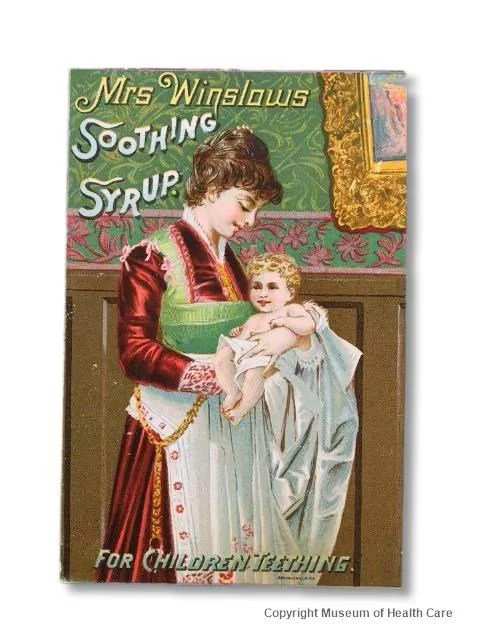
Mrs. Winslow’s Soothing Syrup: The Baby Killer
The primary ingredients of the syrup were morphine and alcohol, with approximately 65 mg of morphine per fluid ounce. A teaspoonful of the syrup, then, had the morphine content equal to that of approximately twenty drops of laudanum.
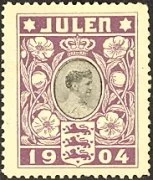
Christmas Seals and Advertising for Health
It’s that time of year again. A time for gathering with friends and family, holiday cheer and generosity. In the world of health care one of the most recognizable forms of Christmas charity comes in the form of the Christmas Seals. The idea originated in Copenhagen in 1903.
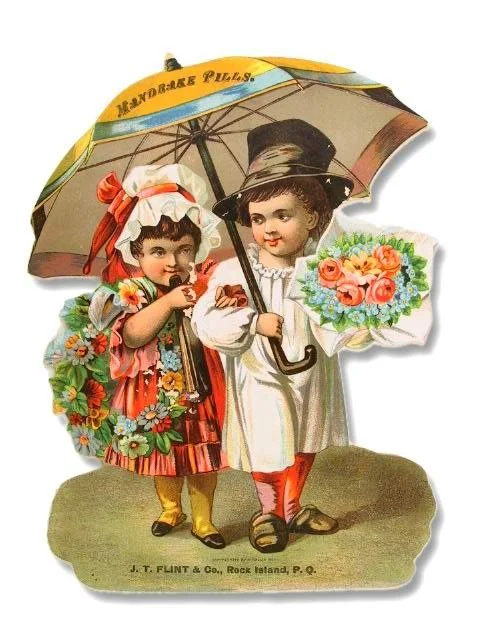
Mandrakes, from Mythology to Museum Collectable
The mandrake surfaces in a wide array of religious, scholarly, literary and popular culture texts. The root’s human-like form and properties as a narcotic (as well as, allegedly, an aphrodisiac and fertility aid) may partially account for the wealth of attention lavished on the plant, as well as its associations with magic and magical practitioners.
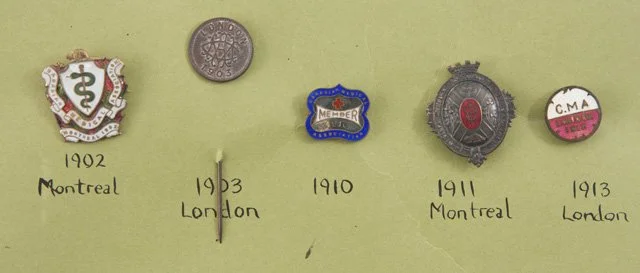
Snakes, Mistakes, and Mythology! The Use of the Rod of Asclepius and the Caduceus in Modern Medicine
While handling an artifact from the Museum’s collection, a familiar sight piqued my curiosity. Stamped onto a pin awarded by the Canadian Medical Association was a snake coiled around a staff. I had seen the same symbol on the badges of emergency health service workers, emblazoned on ambulances, and on pharmaceutical logos. I wondered, what were the origins this symbol? Why was it significant to medical organizations? Through what process had so many health professionals adopted it as a representation of their work?
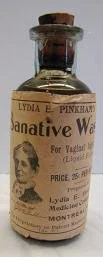
Lydia E. Pinkham: Life and Legacy
Although she only turned to the commercial creation of medicine during the last eight years of her life, Pinkham experienced within that brief timeframe meteoric success as a producer of medicines marketed exclusively for women. Within her lifetime, Pinkham became a cultural icon.
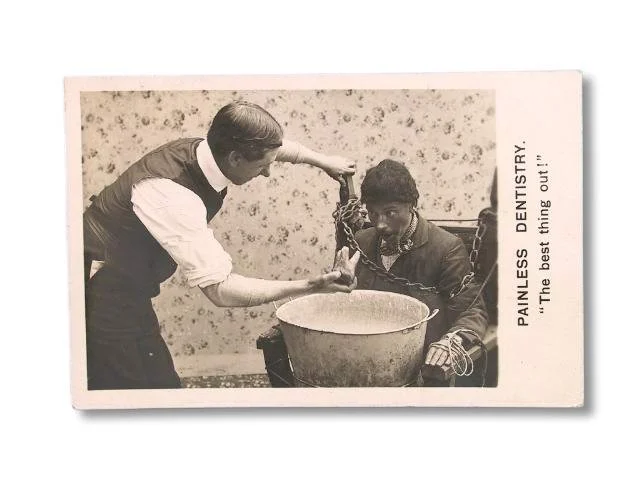
Grin and Bear It: Toothache Day and Why It Was Best to Avoid the Dentist in the Ancient World
February 9th marks Toothache Day, a day to celebrate... toothaches? Toothache Day is a reminder to all to see the dentist regularly. And count your blessings that you aren’t suffering from a toothache in the Ancient or Medieval Worlds!
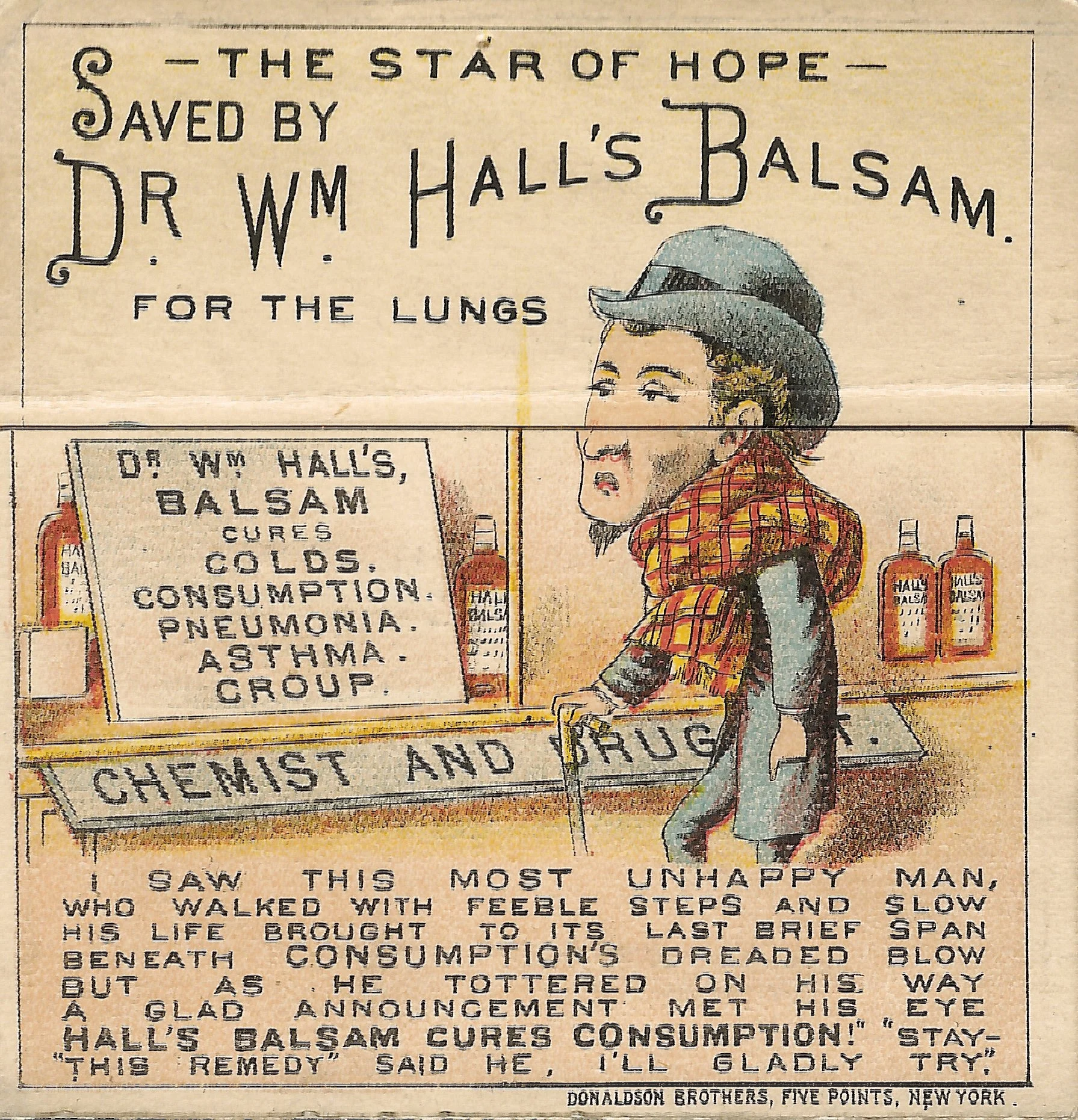
Spotlight on Patent Medicines - Dr. William Hall's Balsam for the Lungs
In the mid-to-late twentieth century, advertising trade cards were important for circulating information about patent medicines, or “over-the-counter” drugs. Dr. William Hall’s Balsam was printed by the Donaldson Brothers of Five Points, New York, a popular advertiser from 1872 to 1891.
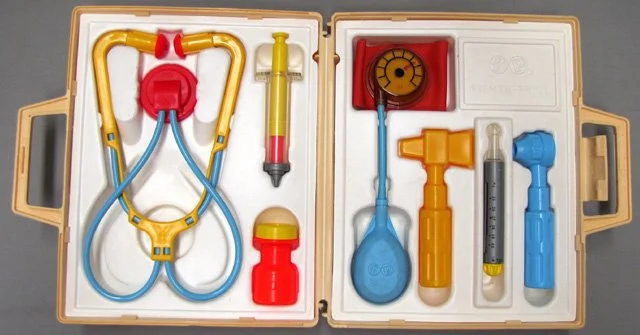
Collections Corner: Playing Doctor
Most of us remember playing doctor or nurse to an injured doll or teddy bear. When I was a child my Cabbage Patch doll often fell ill and my sisters and I nursed her back to health using a Fisher-Price Medical Kit. Developed over thirty years ago, this toy has stood the test of time and has also evolved several times since its inception. The kit contains everything a young doctor or nurse needs, including a stethoscope, thermometer and a sphygmomanometer, also known as a blood pressure cuff. These colourful children’s versions of the real instruments also helped my parents prepare me for trips to the paediatrician; I learned what to expect through play, which made check-ups and doctors visits much less stressful for all parties involved.
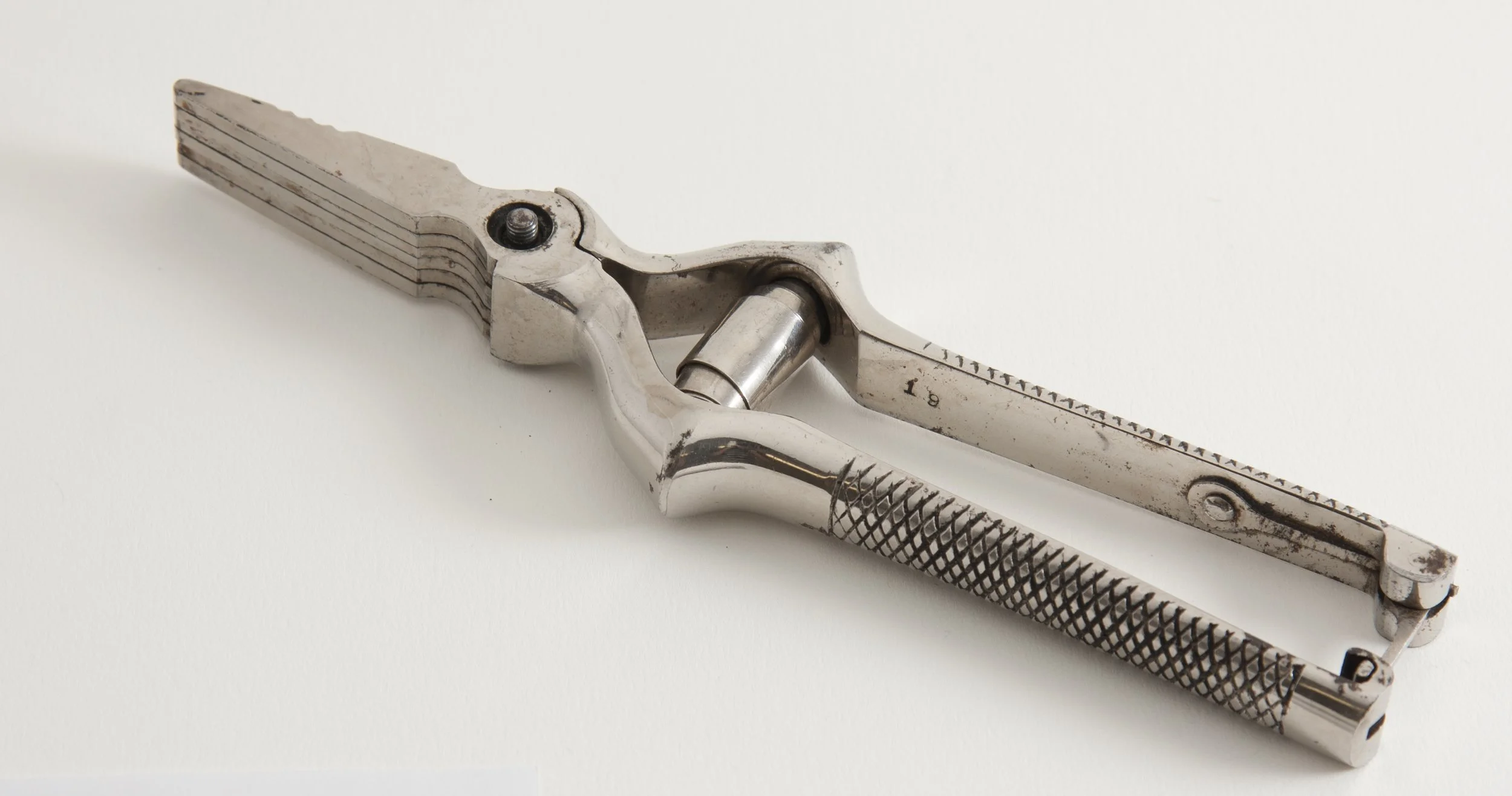
Collections Corner: May I Pre-chew that for you, Sir?
Our teeth are an essential part of our daily lives – we use them to do things like eat and form our words. How healthy are your teeth?
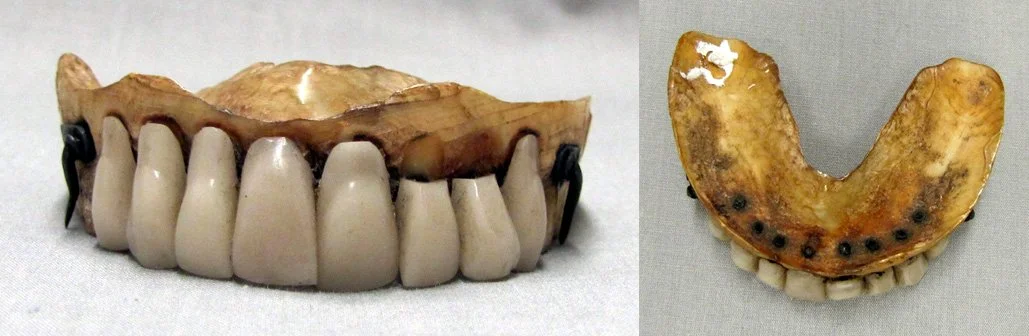
Collections Corner: Waterloo Teeth
Have you ever thought about where dentures come from? Archaeologists have found evidence of denture use dating back to 700 BCE. The best dentures available in Europe before the late 19th century had a carved base and molars of ivory with real human incisors and cuspids.