

MUSEUM BLOG
Explore our blog to learn about pieces from Canada’s largest collection of medical artifacts, discover the lesser-known history of health care, or hear about all of the exciting developments at the Canadian Museum of Health Care.
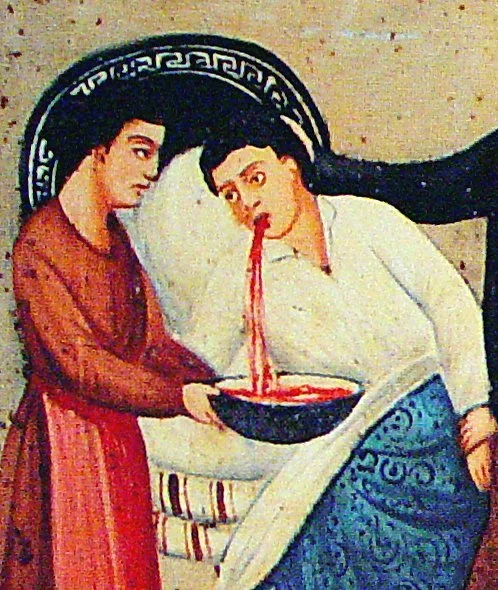
World TB Day 2013: A Fearsome Disease, Hope for New Vaccines
The image of bacterial time-bombs in the lungs is frightening. Even more so, perhaps, when you consider that for most of history there was no effective treatment for TB. Or, that increasingly tuberculosis bacteria are becoming resistant to the treatments that are currently available.
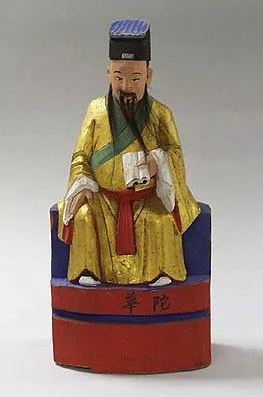
Statuette of Hua Tuo
Approximately 1600 years before William T. G. Morton, Chinese physician Hua Tuo invented an anaesthetic that he called mafeisan and applied this substance to patients undergoing abdominal surgery.

The Evolution of Dentistry
Dentistry is a branch of medicine specializing in the diagnosis and treatment of diseases and disorders of the teeth and gums, as well as ailments of the oral cavity and maxillofacial area. It plays a vital role in health care.
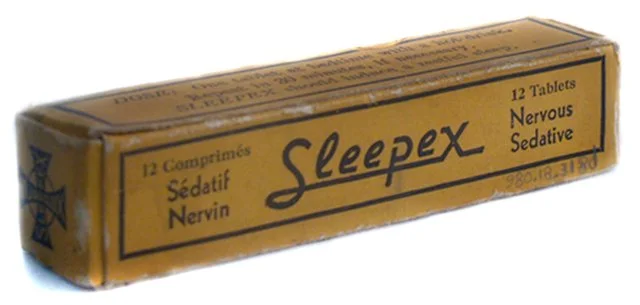
Public Sleep Day 2013
Sleep is a vital component in the maintenance of health, yet millions of North Americans do not get enough sleep or suffer from sleep disorders.
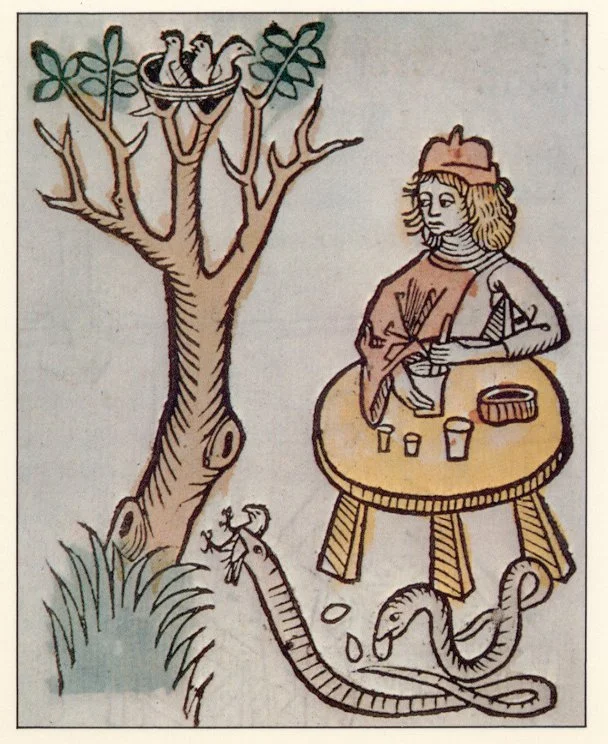
From Apothecary Shop to Independent Science: Celebrating National Pharmacist Day
The United States annually recognizes pharmacists’ contribution to patient healthcare, celebrating National Pharmacist Day, each January 12. Pharmacists apply their extensive knowledge of the chemical composition of medicines to help patients manage disease and pain.
World AIDS Day 2012
December 1st 2012 will mark the 24th year of World AIDS Day. Beginning in 1988, Worlds AIDS Day was the first ever global health day. It aims to support people around the world who have been affected by HIV and remember those who were lost to the virus. The World AIDS Day initiative works to eradicate the stigma surrounding the virus and to raise awareness and funds for prevention and research.
Medical Contributions of The Great War: Blood Transfusion
Prior to World War One, blood transfusion was a rarely performed and risky procedure. On the eve of the war, scientific development in relation to transfusion technology progressed making it a more viable procedure. Survival rates on the front lines increased as new transfusion techniques were mastered. The benefits of the medical developments that occurred during the war should not only be remembered on Remembrance Day, as blood transfusions continue to save hundreds of lives each day.
Raising Awareness about Tuberculosis – World TB Day, 24 March 2012 Pt. 2
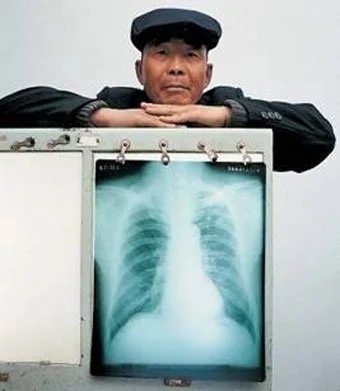
Many people in the West have never thought about tuberculosis as a risk to their health. Tuberculosis is often considered to be a disease of the past. In other locations around the world tuberculosis is a dangerous epidemic that affects thousands of people and their communities. 1.7 million people died from TB in 2009.

Raising Awareness about Tuberculosis – World TB Day, 24 March 2012 Pt. 1
Tuberculosis is caused by an infection with Mycobacterium tuberculosis, rod-shaped bacteria that are spread mostly through air-born droplets or dust micro-particles of dried sputum.Those who develop active pulmonary tuberculosis experience a range of signs and symptoms, including chest pain, cough, weight loss, pallor, fever, and night sweats.
A Century Gone - Sir Joseph Lister, Bt. (1827-1912): Antisepsis and the Beginnings of Modern Surgical Medicine
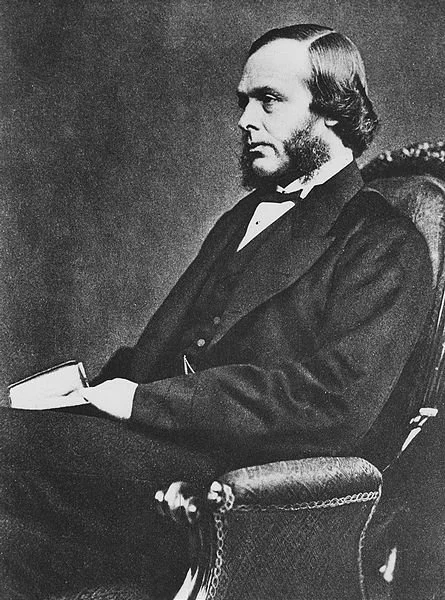
Sir Joseph Lister, Bt. was born 1827 in Essex, England. Lister found that 45-50% of amputation patients later died of infection. Spurred by this statistic, he undertook the experiments on the prevention of infection that earned him wide renown.