

MUSEUM BLOG
Explore our blog to learn about pieces from Canada’s largest collection of medical artifacts, discover the lesser-known history of health care, or hear about all of the exciting developments at the Canadian Museum of Health Care.
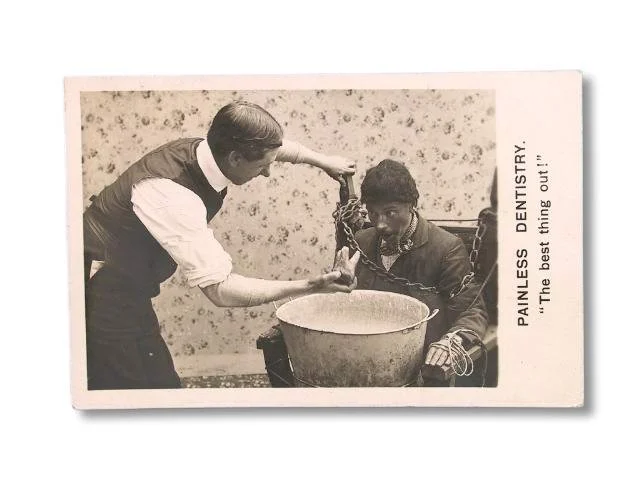
Grin and Bear It: Toothache Day and Why It Was Best to Avoid the Dentist in the Ancient World
February 9th marks Toothache Day, a day to celebrate... toothaches? Toothache Day is a reminder to all to see the dentist regularly. And count your blessings that you aren’t suffering from a toothache in the Ancient or Medieval Worlds!
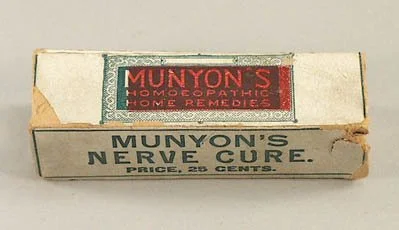
“Limbsomnia”: Pins and Needles Day and Paraesthesia
The expression “pins and needles” is used to describe both a feeling of nervousness or anxiety, as well as the tingling feeling experienced after a period of extended pressure on a muscle, causing an itching or numbing sensation, formally known as “paraesthesia.”
Would I Have Died? Meconium Aspiration Syndrome
Sometimes it is more important to examine the present than the past to truly understand the magnitude of various discoveries, achievements, and failures. This blog post will focus on imparting a (hopefully) touching story of human resilience both in terms of physical determination and of miraculous technological advancement. It’s my sincere hope that by telling you my tale, I will encourage you to make personal connections of your own to those in history, and to gain a solemn appreciation for what has been made possible in our time through humankind’s drive to improve.
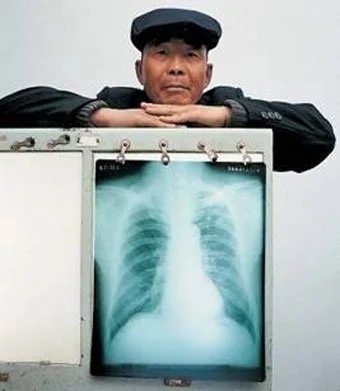
Raising Awareness about Tuberculosis – World TB Day, 24 March 2012 Pt. 2
Many people in the West have never thought about tuberculosis as a risk to their health. Tuberculosis is often considered to be a disease of the past. In other locations around the world tuberculosis is a dangerous epidemic that affects thousands of people and their communities. 1.7 million people died from TB in 2009.

Raising Awareness about Tuberculosis – World TB Day, 24 March 2012 Pt. 1
Tuberculosis is caused by an infection with Mycobacterium tuberculosis, rod-shaped bacteria that are spread mostly through air-born droplets or dust micro-particles of dried sputum.Those who develop active pulmonary tuberculosis experience a range of signs and symptoms, including chest pain, cough, weight loss, pallor, fever, and night sweats.
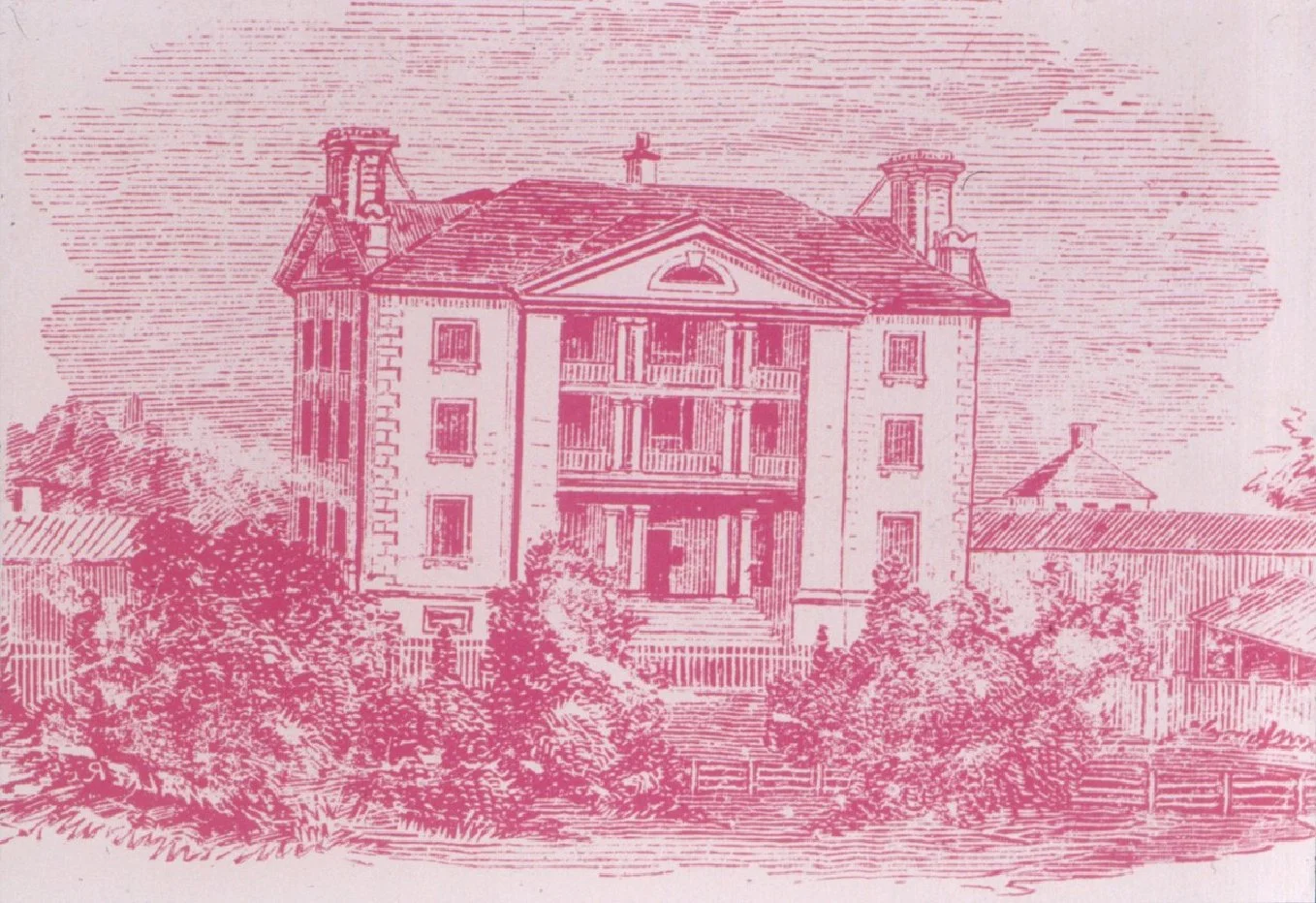
History of Health Care: Transformation of the Hospital
The Main Building of the Kingston Hospital was built between 1833 and 1835, however due to lack of operating funds did not open until 1845, with incorporation in 1849 when a lay board was appointed.
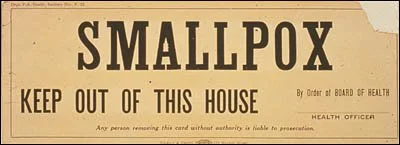
History of Health Care: Quarantine and Isolation
Before the nineteenth century, quarantine and isolation had been practiced in an effort to protect the community from contagious diseases such as plague and smallpox in the absence of specific treatment. Such diseases were considered contagious even though the cause and method of transmission were not known.
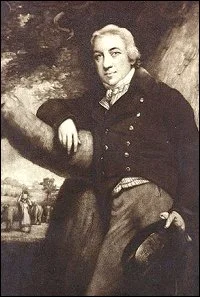
History of Health Care: Vaccination
Vaccination as a deliberate attempt to protect humans against disease has a short history. In spite of this, vaccination has had a major effect on the reduction of mortality and length of life.
History of Health: Why is it important?
Jane and John Smith born in Kingston in 1810 and 1812, respectively, had a life expectancy of forty years. Jane and John Jones born in Kingston in 2009 and 2011, respectively, look forward to a life expectancy of eighty years. What accounts for this striking difference?