

MUSEUM BLOG
Explore our blog to learn about pieces from Canada’s largest collection of medical artifacts, discover the lesser-known history of health care, or hear about all of the exciting developments at the Canadian Museum of Health Care.

The Wild and Wacky World of Drug Advertisements
Back in the late 1800s, a time where saying yes to drugs might have actually been encouraged, patent medicines promised wild and wonderful cures. These medicines, as opposed to those prescribed by a doctor, were loosely regulated; leading to extravagant claims and dangerous, often unlisted, ingredients. From cure-alls to cough syrup, these medicines promised to treat a variety of ailments for those who could not afford a private doctor’s visit, although they would often do more harm than good.
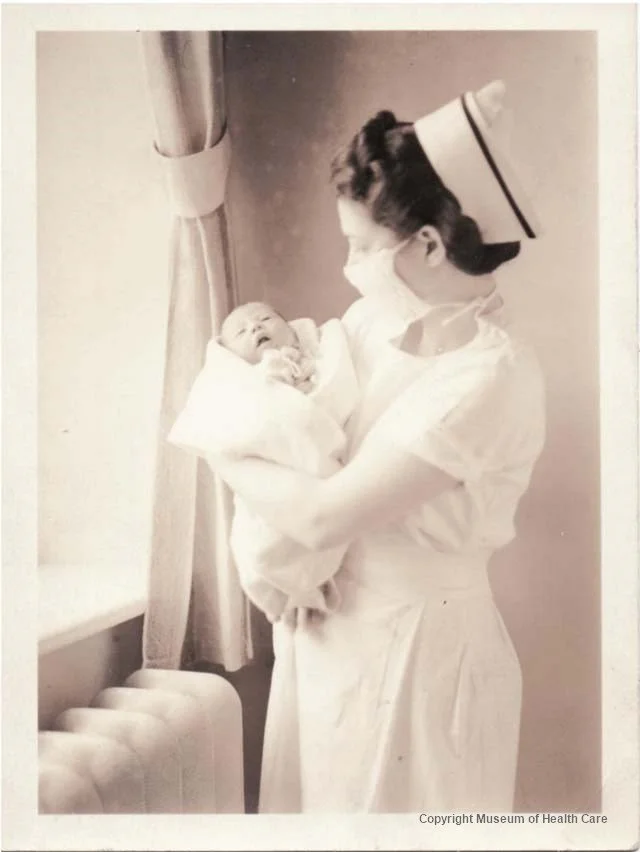
Maternal Mental Health Care
More so than practically any other healthcare subject, mental health topics have acquired a need in recent decades for routine updating and research to compensate for centuries of misinformation. The infiltration of the Maternal Mental Hygiene movement and Attachment Theory into the minds and maternity manuals of Canada can shed light onto the progression of the treatment of maternal mental health across the decades.

Pandemic of Past and Present
Canada is no stranger to the threat of large infectious disease outbreaks. Throughout history, people on the land we now call Canada experienced numerous diseases that threatened their ways of life. Cholera, Tuberculosis, 1918 Influenza, Polio, Scarlet Fever, Yellow Fever, Diphtheria, SARS, MERS – to name a few. The way we manage COVID-19 is largely based on what we have done in the past. While our strategies may have evolved and our personal protective equipment may be more effective than other PPE used in the past, there are some things that remain common factors in preventing the spread of disease. Just like the Influenza of 1918, we rely largely on warning signs, mask wearing, and quarantines during COVID-19 to stay safe.
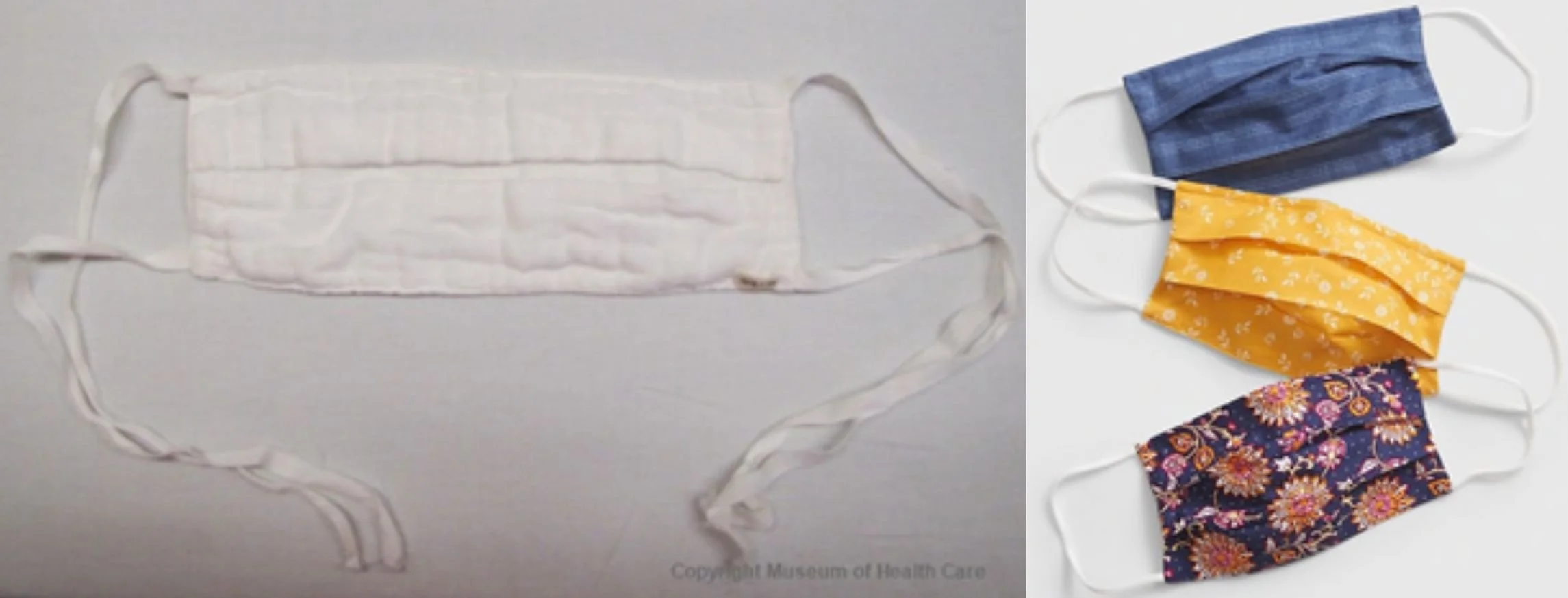
The Face Mask – A Life-Saving Device Pioneered by Dr. Wu Lien-teh
The history of the masks that we wear have their roots in a few different areas, including both from the medical community, as well as from the Personal Protective Equipment of firefighters and soldiers in the late 19th and early 20th century. The first surgical mask came in 1899 when Carl Flügge (1847-1923) was working on tuberculosis research when he developed his droplet theory of infection. This theory proved that microorganisms can be expelled as droplets from the respiratory tract and reach another person. Flügge, his pupils, and successors conducted further experiments to determine that droplets are especially expelled during activities of talking, coughing, blowing, and sneezing.
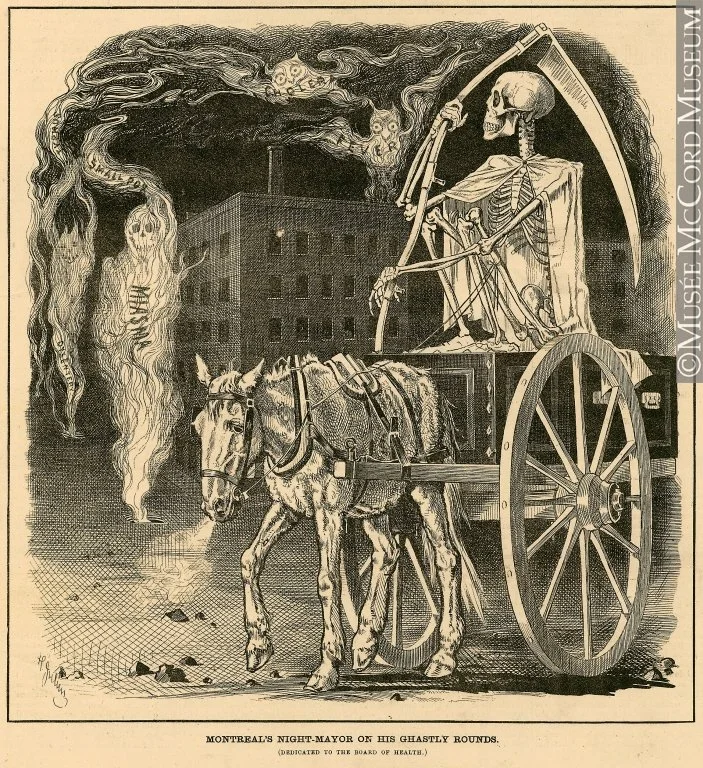
Discovering Diseases: The Beginnings of Germ Theory and Preventative Precautions
"Germ theory was not easily accepted. All across Europe and into the USA and Canada, it was heavily contested and challenged by medical professionals who were unwilling to accept the changes to the scientific system."

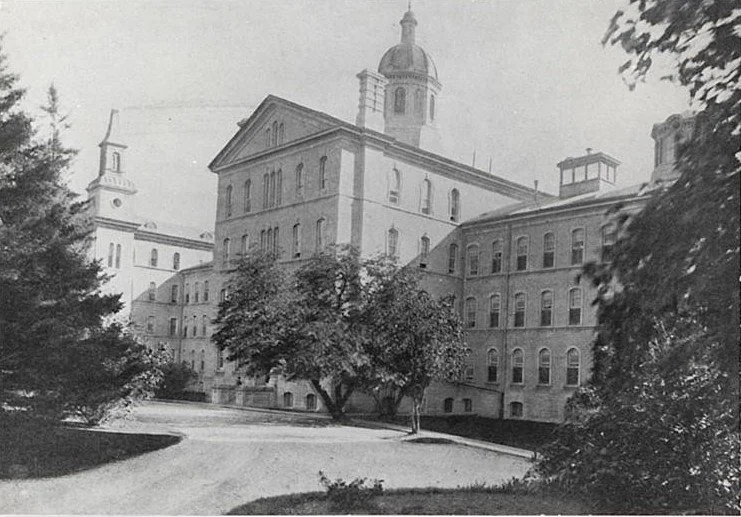

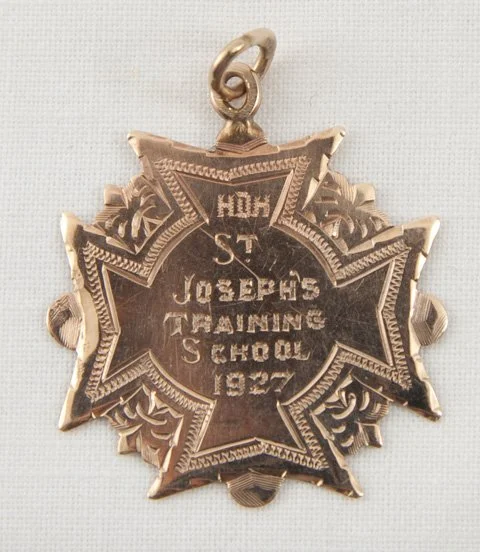
A Tribute to Canada’s Nurses: Celebrating Nursing Week 2013
In Canada, the hard work and dedication of nurses is formally recognized during National Nursing Week, the second week of May. International Nurses Day, designated by the International Council of Nurses in 1974, is celebrated on May 12th. This day was chosen as significant because it is Florence Nightingale’s birthday.