

MUSEUM BLOG
Explore our blog to learn about pieces from Canada’s largest collection of medical artifacts, discover the lesser-known history of health care, or hear about all of the exciting developments at the Canadian Museum of Health Care.

"Sick City" Outdoor Guided Tour Tickets Now on Sale
Walk in the footsteps of some of Kingston’s earliest residents and arrivals as they engage in a quest for health care in the Limestone City. The story of establishment of one of Canada’s oldest public hospitals, Kingston General Hospital, is one full of success and sacrifice, triumph and tragedy. Join us for a fascinating look into the lives of those that lived, arrived and died here, as we unlock the secrets of Kingston’s medical history.
News Release--Museum of Health Care at Kingston contributes expertise to new Heritage Minute
As Canada’s foremost resource for medical and health related artifacts, the Museum of Health Care was a natural choice to aid with the project. With a collection of over 40,000 items, some of which are the last of their kind, and Collection Manager Kathy Karkut’s extensive experience, Historica was sure to present a historically correct depiction of the events leading to the miraculous discovery. Historica provided Kathy with a list of images of selected medical items they were using for the video for her review. Kathy was then able to provide the correct version for these items from the Museum’s 1915 medical supplies catalogue and images of similar items in its collection. This provided Historica with the framework to locate the correct medical items suitable to a ward at the Toronto General Hospital in 1922.
Activities from Home #6: Early Canadian Societies (Grades 3-4)
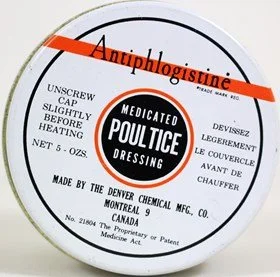
Explore the interactions between European and Indigenous peoples prior to 1713 and the resulting consequences in relation to medicine and the spread of disease. Demonstrate the contributions made by Indigenous peoples to current medical practices by learning to create a poultice; a paste made of anti-inflammatory ingredients as an early 18th century medical apprentice.
Activities from Home #4: Mixing Medicine and Media (Grades 6-8)
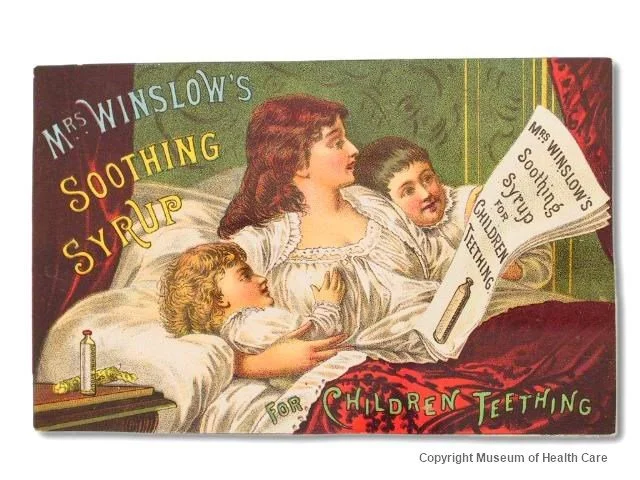
Students will apply their knowledge of the evolution of pharmaceutical medicines in health care and the function of medicinal ingredients to create their own tincture in alignment with historical practices. Students will also apple their understanding of past pharmaceutical advertising methods, and prevalence of Patent Medicine in historical societies to create their own Patent Medicine trading card.
Activities from Home #6: Early Canadian Societies (Grades 5-6)
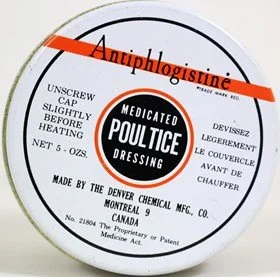
Explore the interactions between European and Indigenous peoples prior to 1713 and the resulting consequences in relation to medicine and the spread of disease. Demonstrate the contributions made by Indigenous peoples to current medical practices by learning to create a poultice; a paste made of anti-inflammatory ingredients as an early 18th century medical apprentice.
Activities from Home #5: Ancient Societies & Wellness (Grades 4-6)
Students will apply their knowledge of advancements in healthcare practices in ancient societies to complete this activity. Students will exercise their understanding of standards of practice dating to ancient Egypt, and the intersection with Egyptian religious beliefs to simulate mummification and burial practices.
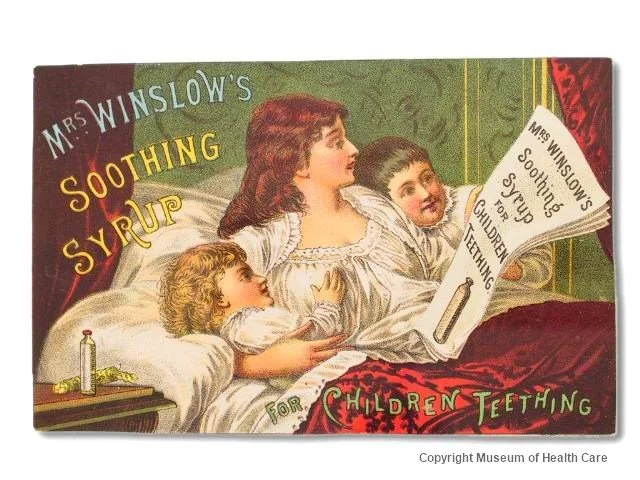
Activities from Home #4: Mixing Medicine and Media (Grades 4-5)
Students will apply their knowledge of the evolution of pharmaceutical medicines in health care and the function of medicinal ingredients to create their own tincture in alignment with historical practices. Students will also apple their understanding of past pharmaceutical advertising methods, and prevalence of Patent Medicine in historical societies to create their own Patent Medicine trading card.

“Something Permanent for the Country”: The Sir Oliver Mowat Memorial Tuberculosis Sanatorium
An often overlooked part of Kingston’s rich medical history, the Sir Oliver Mowat Memorial Tuberculosis Sanatorium, or simply the Mowat Sanatorium, enjoyed an important, if short-lived, role in the fight against tuberculosis in Canada.

The Wild and Wacky World of Drug Advertisements
Back in the late 1800s, a time where saying yes to drugs might have actually been encouraged, patent medicines promised wild and wonderful cures. These medicines, as opposed to those prescribed by a doctor, were loosely regulated; leading to extravagant claims and dangerous, often unlisted, ingredients. From cure-alls to cough syrup, these medicines promised to treat a variety of ailments for those who could not afford a private doctor’s visit, although they would often do more harm than good.