

MUSEUM BLOG

The Prophylactic Treatment of the Spanish Influenza
With the wide-sweeping devastation of the Spanish Influenza in the Fall of 1918, communities around the world were eager to come together and share insights and ideas about protective treatments and therapies.

The History of Vaccinations: The Build Up to the Spanish Flu
An understanding of disease resistance has existed in written records as far back as 429 BCE when the Greek historian Thucydides acknowledged that those who survived a smallpox epidemic in Athens were subsequently protected from the disease. Since a basic understanding of the biological underpinnings of infection was not understood for a long time, it was not until 900 AD when the Chinese developed a rudimentary smallpox inoculation. Chinese physicians noted how uninfected people who were exposed to a smallpox scab were less likely to acquire the disease or, if they did, that it was milder. The most common method of inoculation was to inhale crushed smallpox scabs through the nostrils.

Dr. Guilford B. Reed: The Influenza Vaccine That (sort of) Worked
Born in Port George, Nova Scotia in 1887, Dr. Guilford Bevil Reed grew up on the East coast as the son of the prominent ship builder and architect, William Reed. While living in the Annapolis Valley, Guilford developed a deep love of the natural world. He spent his days surrounded by five siblings and endless apple orchards, and maintained a curiosity that propelled him throughout his life.
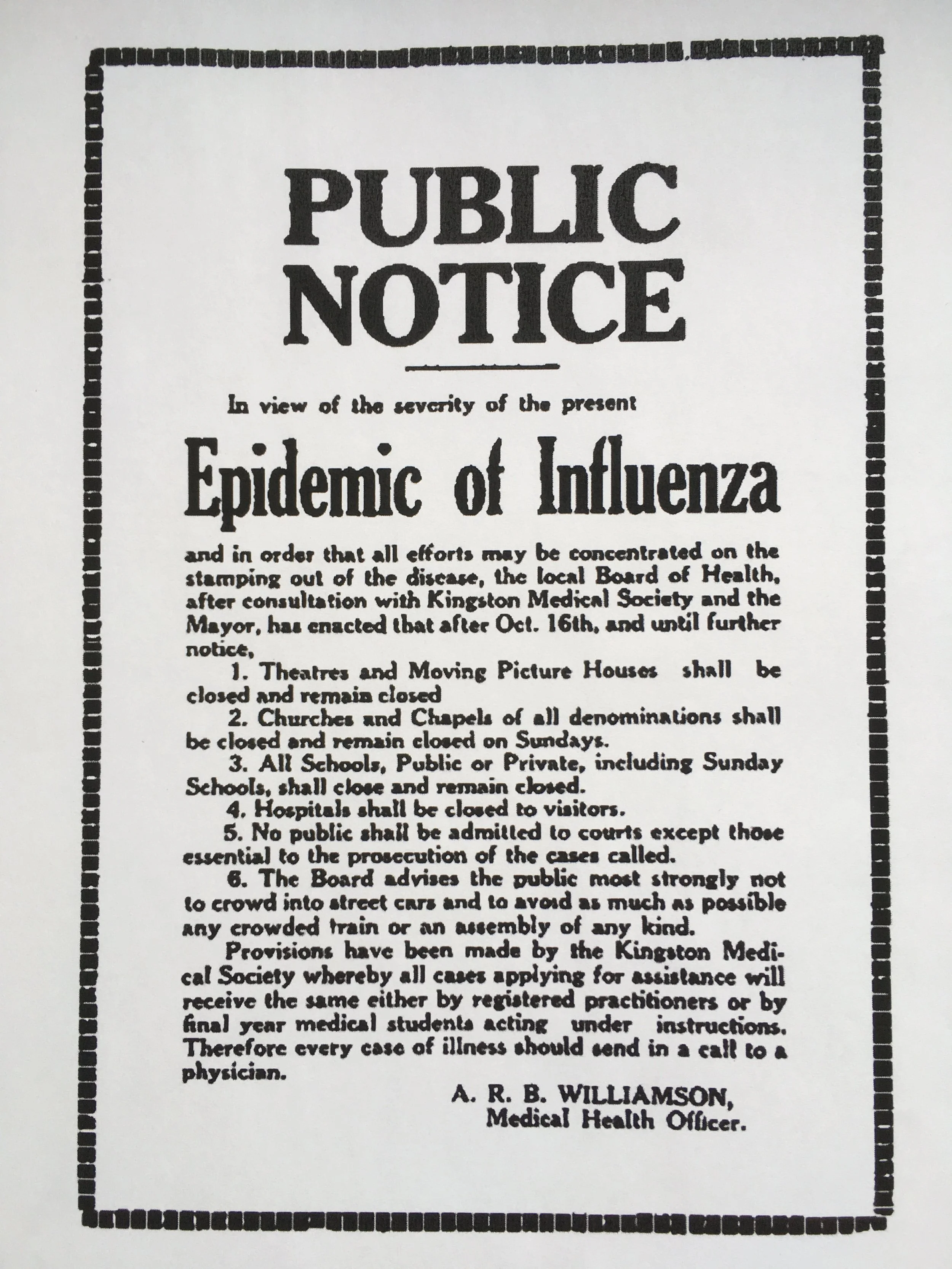
The Reality of the Flu: Kingston's United Effort Against the Spanish Influenza
“Scores of citizens are not in accord and want something done. It is difficult for the layman to get rid of the old idea that an ounce of prevention is worth a pound of cure”
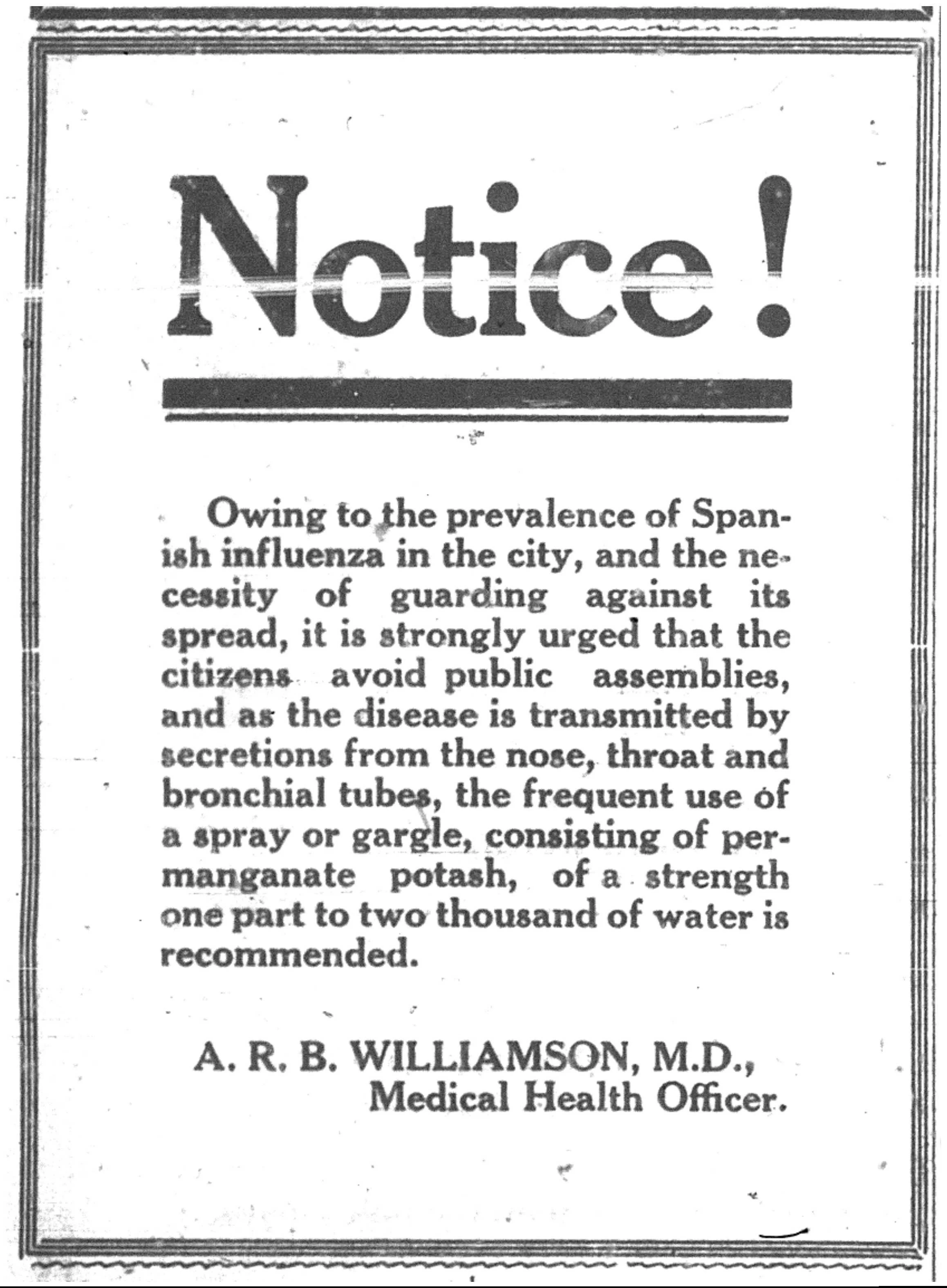
Kingston's Initial Response to the Spanish Influenza
As news of the Spanish Influenza reached Kingston in September 1918, an interesting story began to develop.

The Infamous Spanish Influenza
Over the coming summer months, I have the pleasure of developing a manuscript for the Museum of Health Care discussing the Spanish Influenza’s impact on Kingston. With biweekly blogs, I hope to share some of the insights, stories, and images that I come across as I explore this fascinating topic.
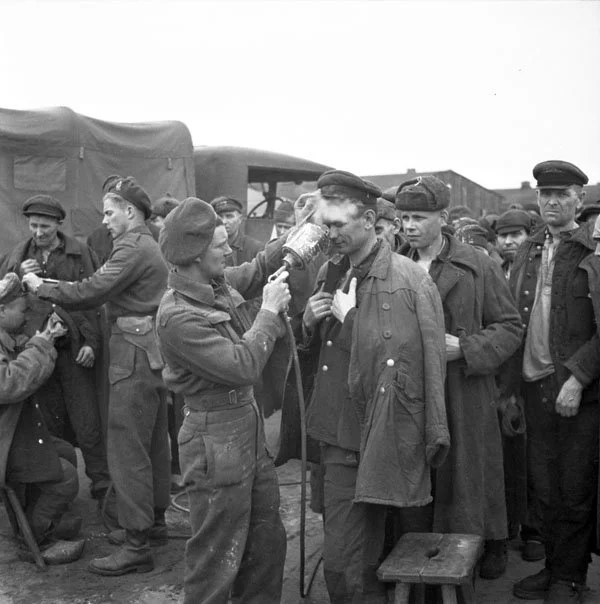
A Fighting Chance: Disease, Public Health, and the Military, Part 3
From a medical point of view the two military campaigns to capture the Dutch island of Walcheren – the first in 1809, the second in 1944 – could not have been more different. The 1809 British expedition was ravaged by disease, a lethal combination of malaria, typhus, typhoid fever, and dysentery that infected over 60% of the force, killed over 4,000 soldiers, and left tens of thousands as casualties.
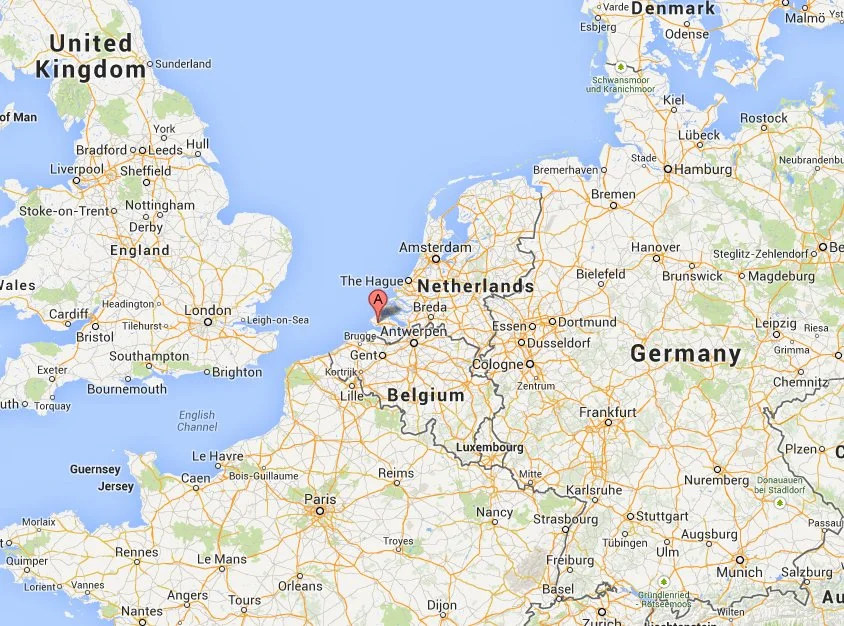
A Fighting Chance: Disease, Public Health, and the Military, Part 2
Two of the most remarkable stories in military medical history happened in the exact same place: Walcheren, a strip of land that sits like a cork in the mouth of the Scheldt River running through the Netherlands and Belgium.

A Fighting Chance: Disease, Public Health, and the Military, Part 1
When we think about war and health care our imaginations are immediately drawn to ideas of war wounds, amputations, mobile surgical hospitals, and even psychiatric trauma and PTSD. These are among the most visible marks that war can leave on its participants. But until very recently in human history, war and health care meant something else.