

MUSEUM BLOG
Explore our blog to learn about pieces from Canada’s largest collection of medical artifacts, discover the lesser-known history of health care, or hear about all of the exciting developments at the Canadian Museum of Health Care.
Canada’s First National Mental Health Program, by Linda
The purpose of Canada’s first National Mental Health Strategy, according to the Mental Health Commission of Canada’s newsletter, is “to help improve mental health and well-being for all people living in Canada and to create a mental health system that can truly meet the needs of people of all ages living with mental health problems and illnesses and their families.”
Reflections on Friendly Fire
Friendly Fire is a project developed by the Agnes Etherington Art Centre in collaboration with the Museum of Health Care engaging the power of the artist as a story teller and synthesizer. The artist, Howie Tsui investigated health and medicine during the war of 1812. The resulting exhibition illuminates the brutal conditions of the body in war and the medical techniques of the period.

Collections Corner: Playing Doctor
Most of us remember playing doctor or nurse to an injured doll or teddy bear. When I was a child my Cabbage Patch doll often fell ill and my sisters and I nursed her back to health using a Fisher-Price Medical Kit. Developed over thirty years ago, this toy has stood the test of time and has also evolved several times since its inception. The kit contains everything a young doctor or nurse needs, including a stethoscope, thermometer and a sphygmomanometer, also known as a blood pressure cuff. These colourful children’s versions of the real instruments also helped my parents prepare me for trips to the paediatrician; I learned what to expect through play, which made check-ups and doctors visits much less stressful for all parties involved.
Outlook for Nursing Grads in 2012, by Carolyn
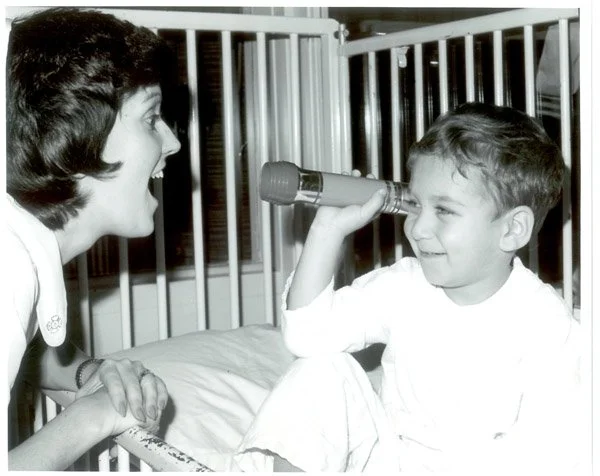
The healthcare industry is thought to be one of the most secure job industries in the U.S. Still, hospitals, clinics, and doctors’ offices haven’t been immune to the economic troubles that almost all sectors in the nation have faced. Those who are graduating from nursing programs this year should not expect jobs to be handed to them. However, nursing jobs are available, and the available slots for nurses are only expected to increase over the next several years.
Your contributions
What does health care mean to you? We welcome your guest blog posts, stories, and thoughts about health care--from any perspective you're passionate about. You're invited to email us your contributions.
Raising Awareness about Tuberculosis – World TB Day, 24 March 2012 Pt. 2
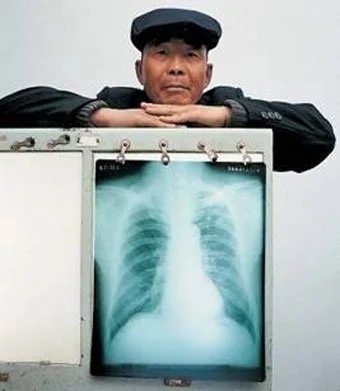
Many people in the West have never thought about tuberculosis as a risk to their health. Tuberculosis is often considered to be a disease of the past. In other locations around the world tuberculosis is a dangerous epidemic that affects thousands of people and their communities. 1.7 million people died from TB in 2009.

Raising Awareness about Tuberculosis – World TB Day, 24 March 2012 Pt. 1
Tuberculosis is caused by an infection with Mycobacterium tuberculosis, rod-shaped bacteria that are spread mostly through air-born droplets or dust micro-particles of dried sputum.Those who develop active pulmonary tuberculosis experience a range of signs and symptoms, including chest pain, cough, weight loss, pallor, fever, and night sweats.
Collections Corner: May I Pre-chew that for you, Sir?
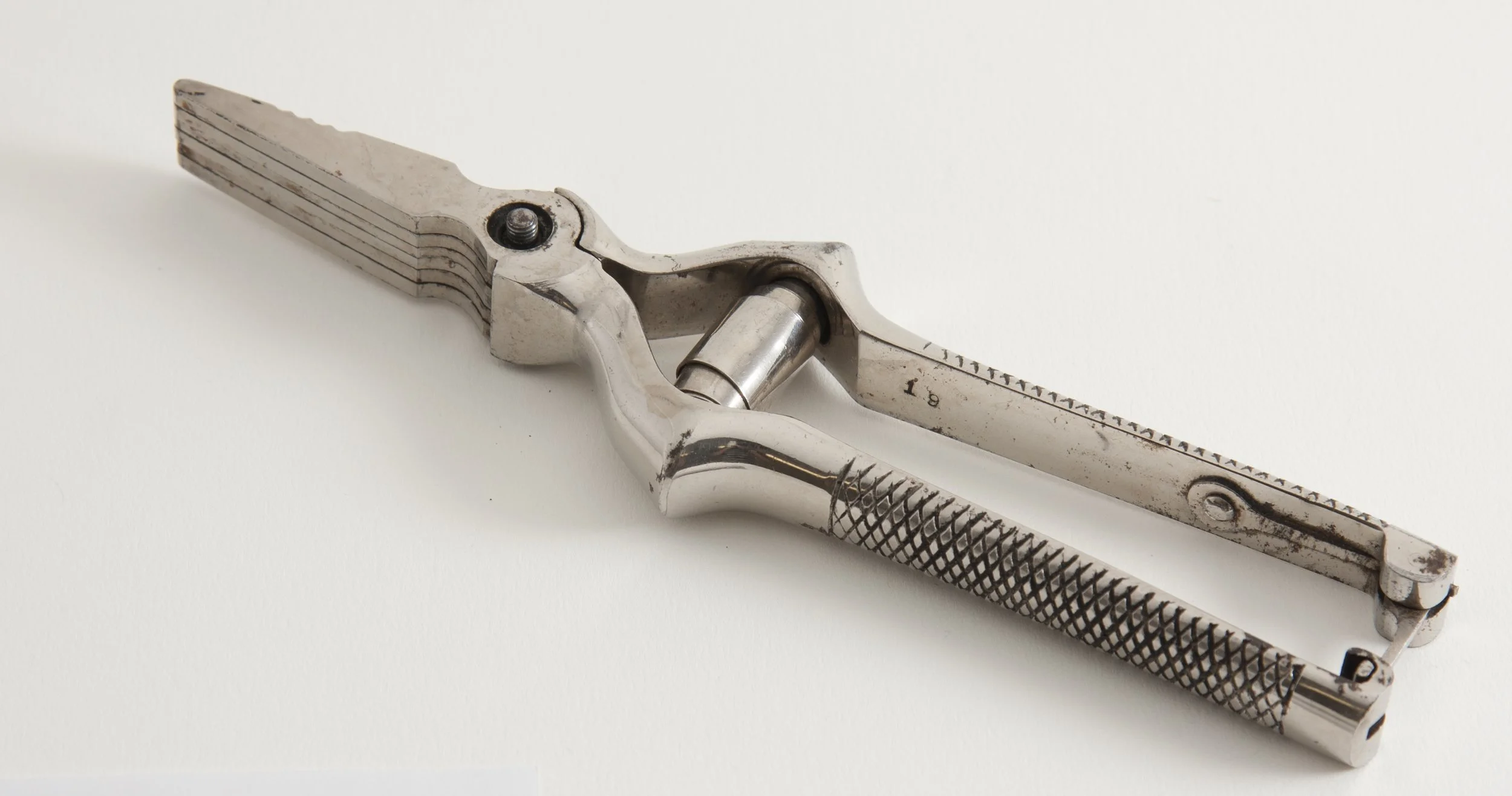
Our teeth are an essential part of our daily lives – we use them to do things like eat and form our words. How healthy are your teeth?
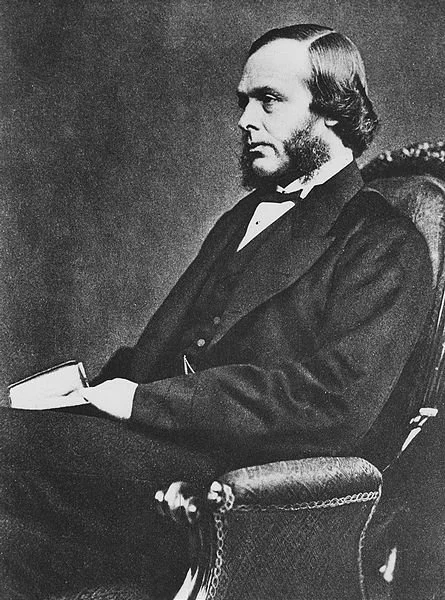
A Century Gone - Sir Joseph Lister, Bt. (1827-1912): Antisepsis and the Beginnings of Modern Surgical Medicine
Sir Joseph Lister, Bt. was born 1827 in Essex, England. Lister found that 45-50% of amputation patients later died of infection. Spurred by this statistic, he undertook the experiments on the prevention of infection that earned him wide renown.