

MUSEUM BLOG
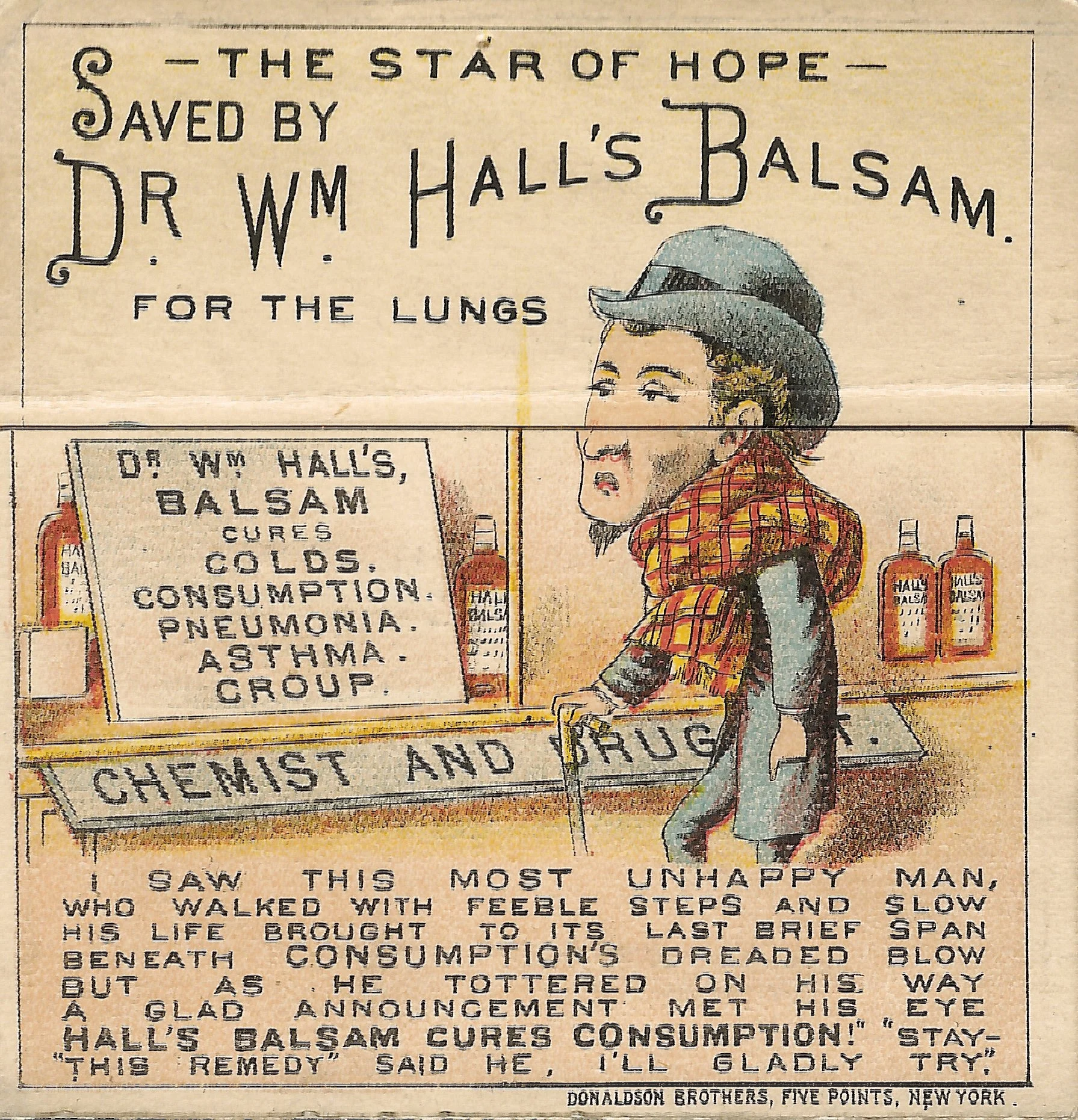
Spotlight on Patent Medicines - Dr. William Hall's Balsam for the Lungs
In the mid-to-late twentieth century, advertising trade cards were important for circulating information about patent medicines, or “over-the-counter” drugs. Dr. William Hall’s Balsam was printed by the Donaldson Brothers of Five Points, New York, a popular advertiser from 1872 to 1891.
Would I Have Died? Meconium Aspiration Syndrome
Sometimes it is more important to examine the present than the past to truly understand the magnitude of various discoveries, achievements, and failures. This blog post will focus on imparting a (hopefully) touching story of human resilience both in terms of physical determination and of miraculous technological advancement. It’s my sincere hope that by telling you my tale, I will encourage you to make personal connections of your own to those in history, and to gain a solemn appreciation for what has been made possible in our time through humankind’s drive to improve.
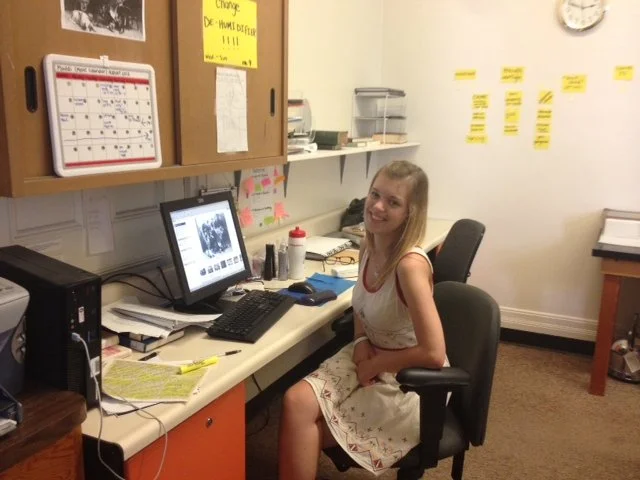
Museum of Health Care Summer Experience: Part 2
Working at the Museum of Health Care became, and continues to be, my dream job. I can scarcely believe that someone actually pays me to read and write about topics I find interesting, as well as gain absolutely invaluable experience in artefact handling and exhibit development.
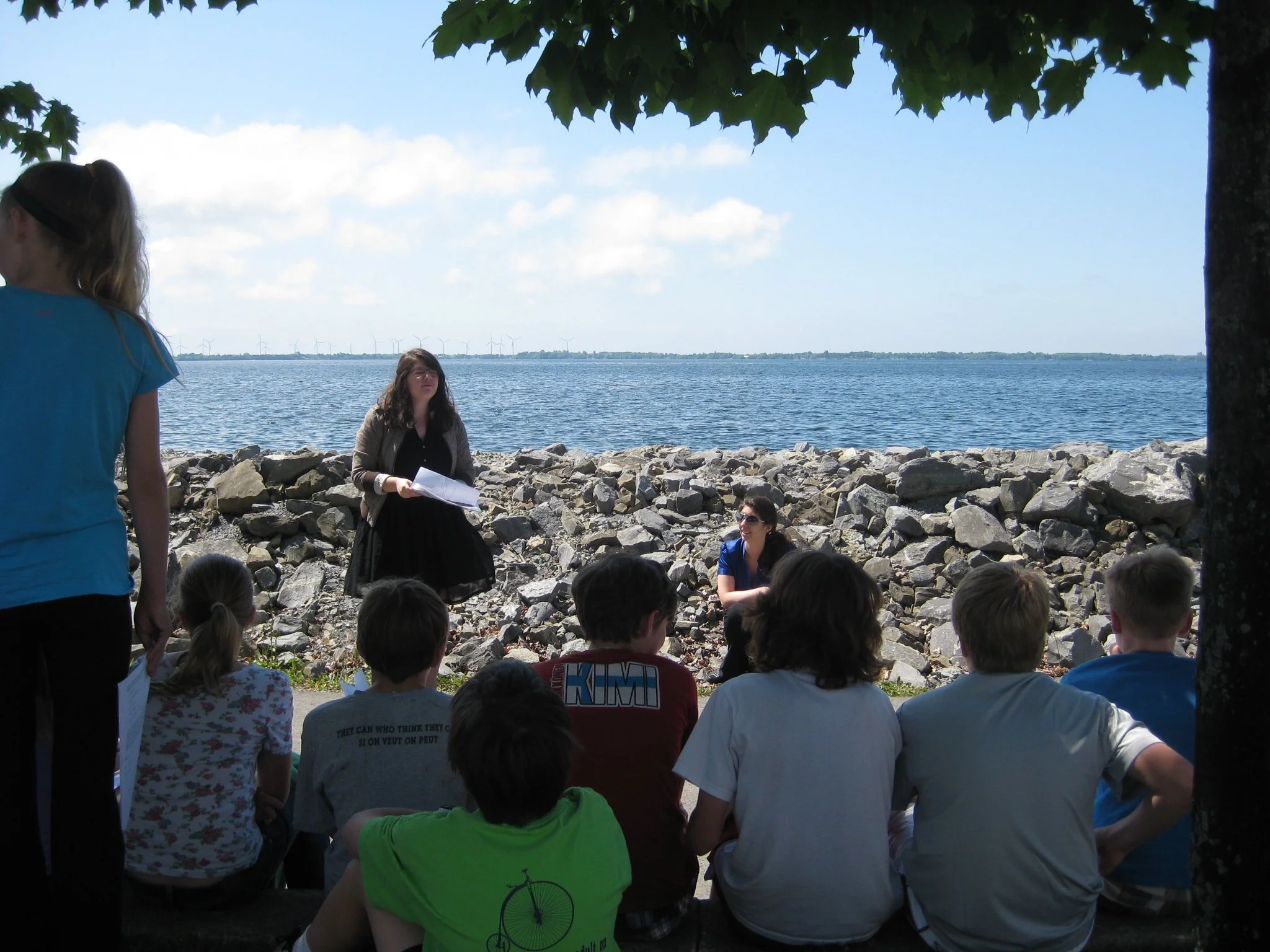
Museum of Health Care Summer Experience: Part 1
As Public Programs Assistants, we provided tours to visitors, led education programs for schools in May and June and camps in July and August, and helped develop new programs for the Museum to run this upcoming year. Working at the Museum provided us with the opportunity to gain professional experience and develop practical and personal skills.
Mysterious Mexican Disease May Rewrite History of Spanish Conquest
My absolute favourite thing about being a history student is having my previous assumptions about historical narratives dashed. During my first year at Queen’s I quickly learned that what was deemed “fact” in my earlier education is actually just one of many historical narratives to consider – history isn’t as cut-and-dried as I had thought.
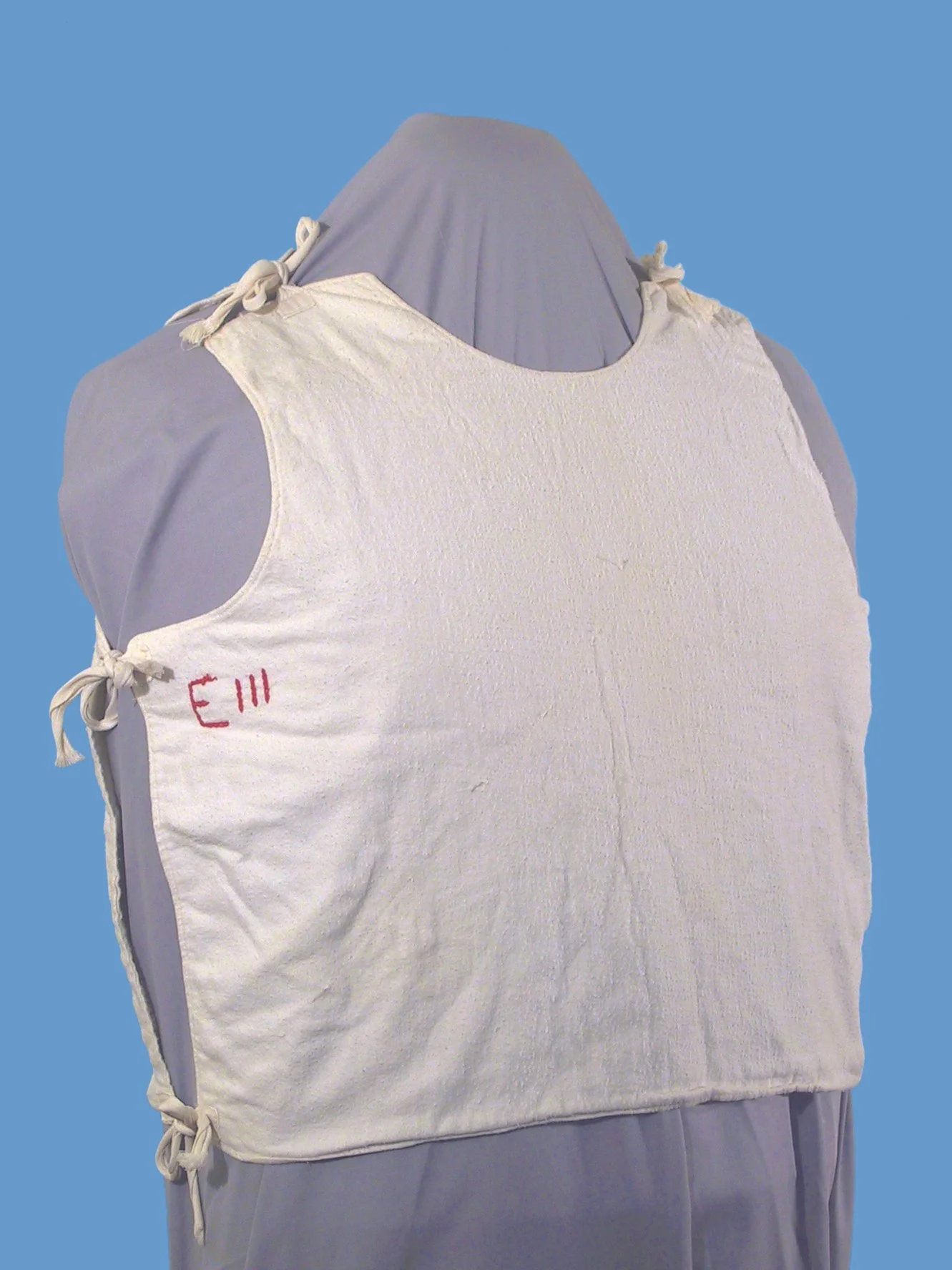
Would I Have Died? Pneumonia
Pneumonia is a historically feared phenomenon. Around 1200, the medieval philosopher Maimonides described the basic symptoms of pneumonia as “acute fever, sticking (pleuritic) pain in the side, short rapid breaths, serrated pulse and cough.” Even after Louis Pasteur’s Germ Theory began to inform the treatment of bacterial diseases such as pneumonia in 1861, the illness continued in its infamy as treacherous. In 1918, William Osler proclaimed that pneumonia is “the captain of the men of death.”
Canada’s First National Mental Health Program, by Linda
The purpose of Canada’s first National Mental Health Strategy, according to the Mental Health Commission of Canada’s newsletter, is “to help improve mental health and well-being for all people living in Canada and to create a mental health system that can truly meet the needs of people of all ages living with mental health problems and illnesses and their families.”
Reflections on Friendly Fire
Friendly Fire is a project developed by the Agnes Etherington Art Centre in collaboration with the Museum of Health Care engaging the power of the artist as a story teller and synthesizer. The artist, Howie Tsui investigated health and medicine during the war of 1812. The resulting exhibition illuminates the brutal conditions of the body in war and the medical techniques of the period.
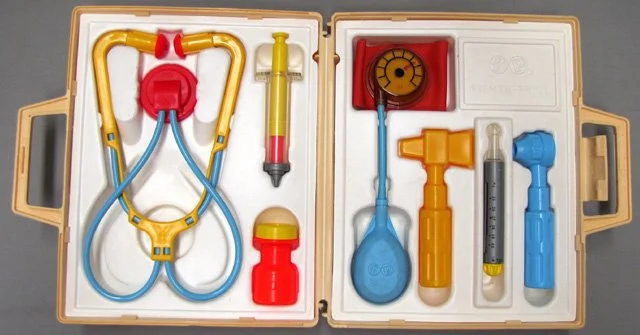
Collections Corner: Playing Doctor
Most of us remember playing doctor or nurse to an injured doll or teddy bear. When I was a child my Cabbage Patch doll often fell ill and my sisters and I nursed her back to health using a Fisher-Price Medical Kit. Developed over thirty years ago, this toy has stood the test of time and has also evolved several times since its inception. The kit contains everything a young doctor or nurse needs, including a stethoscope, thermometer and a sphygmomanometer, also known as a blood pressure cuff. These colourful children’s versions of the real instruments also helped my parents prepare me for trips to the paediatrician; I learned what to expect through play, which made check-ups and doctors visits much less stressful for all parties involved.