

MUSEUM BLOG
Explore our blog to learn about pieces from Canada’s largest collection of medical artifacts, discover the lesser-known history of health care, or hear about all of the exciting developments at the Canadian Museum of Health Care.
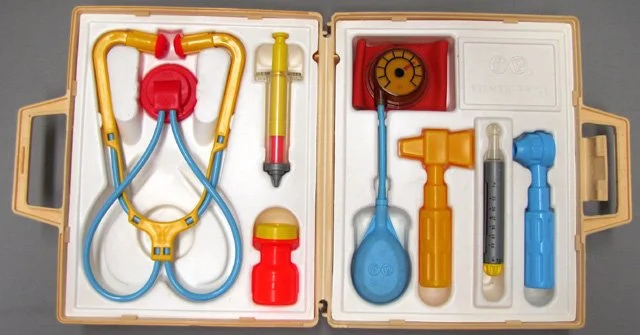
Dispelling Childhood Fears about Medicine and the Hospital
Children from the rough ages of 3 to 7 are usually apprehensive about going to a doctor or the hospital- they have no understanding of the various tools and tests and may form fearful misconceptions. Blood pressure machines may be stealing their blood, needles are painful, etc.
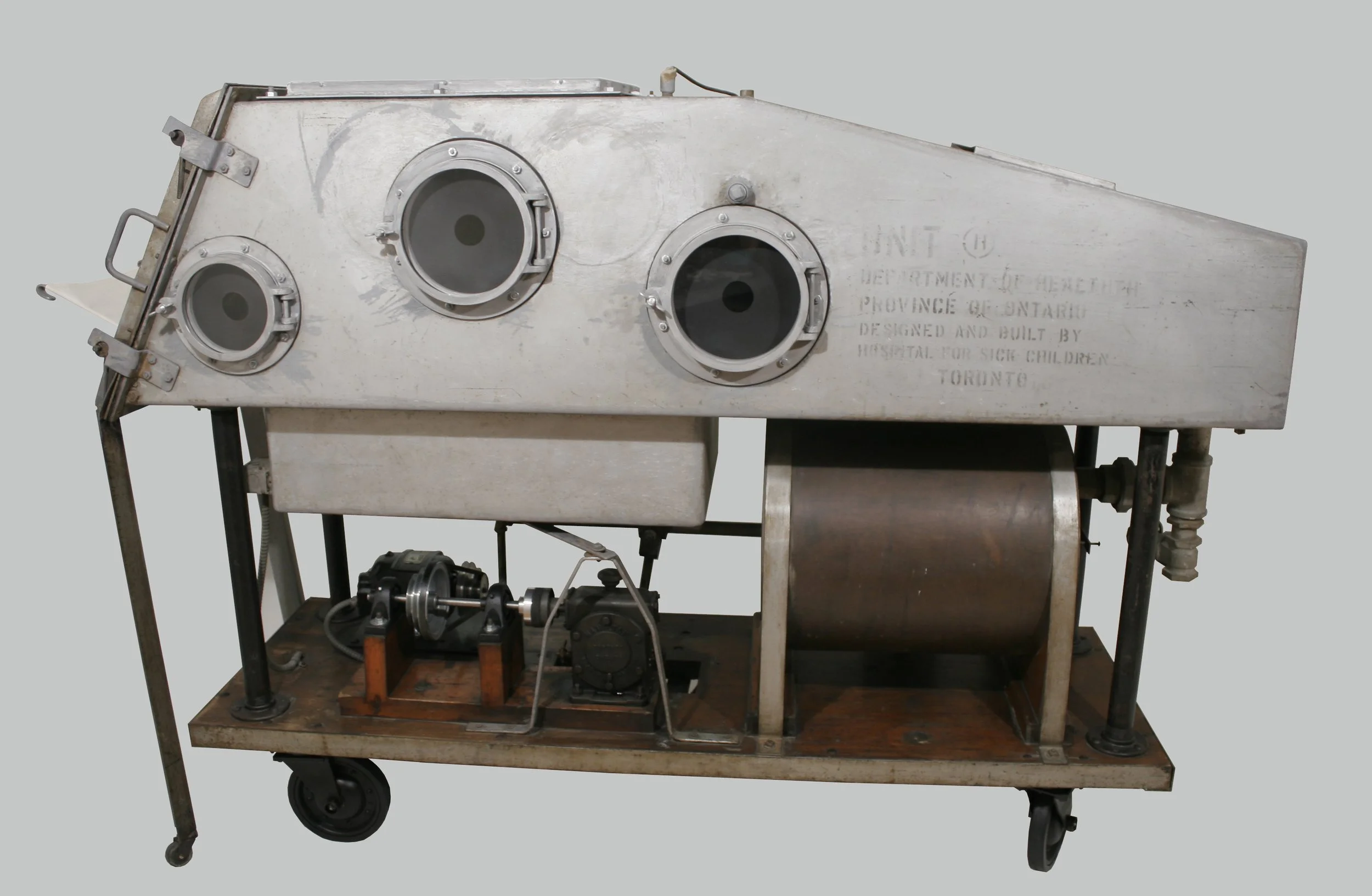
Vaccines and Immunization: Epidemics, Prevention, and Canadian Innovation
There is significant public debate over the merits and risk of vaccinations, much of which is fueled by inflammatory rhetoric rather than facts and science. This debate has raged ever since the first vaccine for smallpox was proposed by Dr. Edward Jenner in the 1790s and, doubtless, it will continue as new vaccines are developed.
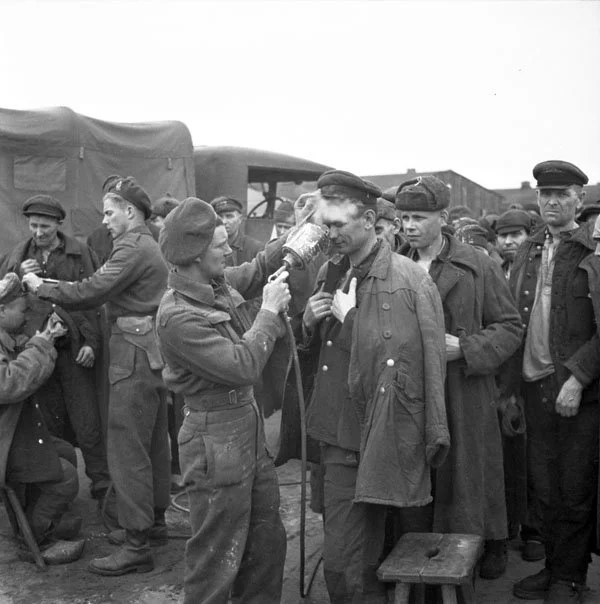
A Fighting Chance: Disease, Public Health, and the Military, Part 3
From a medical point of view the two military campaigns to capture the Dutch island of Walcheren – the first in 1809, the second in 1944 – could not have been more different. The 1809 British expedition was ravaged by disease, a lethal combination of malaria, typhus, typhoid fever, and dysentery that infected over 60% of the force, killed over 4,000 soldiers, and left tens of thousands as casualties.
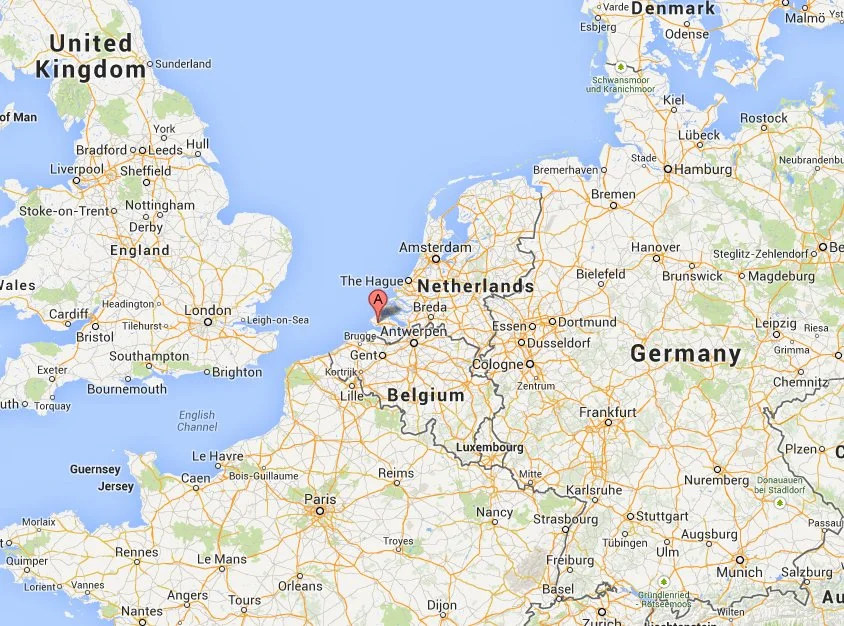
A Fighting Chance: Disease, Public Health, and the Military, Part 2
Two of the most remarkable stories in military medical history happened in the exact same place: Walcheren, a strip of land that sits like a cork in the mouth of the Scheldt River running through the Netherlands and Belgium.
A Fighting Chance: Disease, Public Health, and the Military, Part 1
When we think about war and health care our imaginations are immediately drawn to ideas of war wounds, amputations, mobile surgical hospitals, and even psychiatric trauma and PTSD. These are among the most visible marks that war can leave on its participants. But until very recently in human history, war and health care meant something else.

The APPle of our Eye: 80 Years of Hospital History in the Palm of your Hand!
In 2011, the Museum received the fantastic news that it had been awarded a grant for $52,000 from the Ontario Trillium Foundation. This funding enabled the Museum to leap with both feet into an exciting two-year project to develop not one, but two new apps that will allow users to explore local medical and nursing history on their phones and mobile devices.
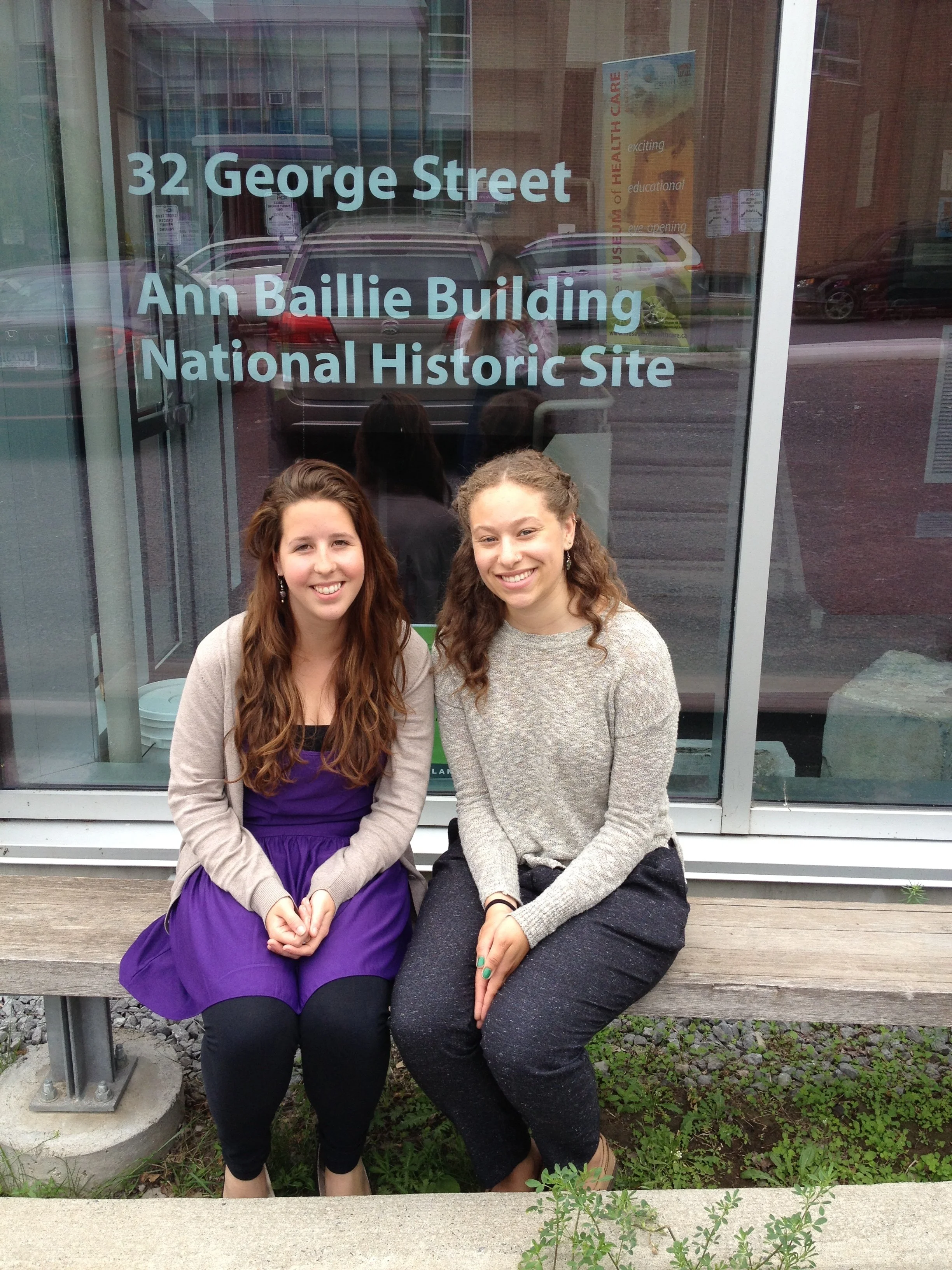
What’s So Now About History?
When I reflect on my summer at the Museum, beyond finding medical history interesting, I was also reminded of the ways in which it is important. Far from being ‘old news’ my experience has confirmed my belief in the contemporary value of knowing and learning from the past.
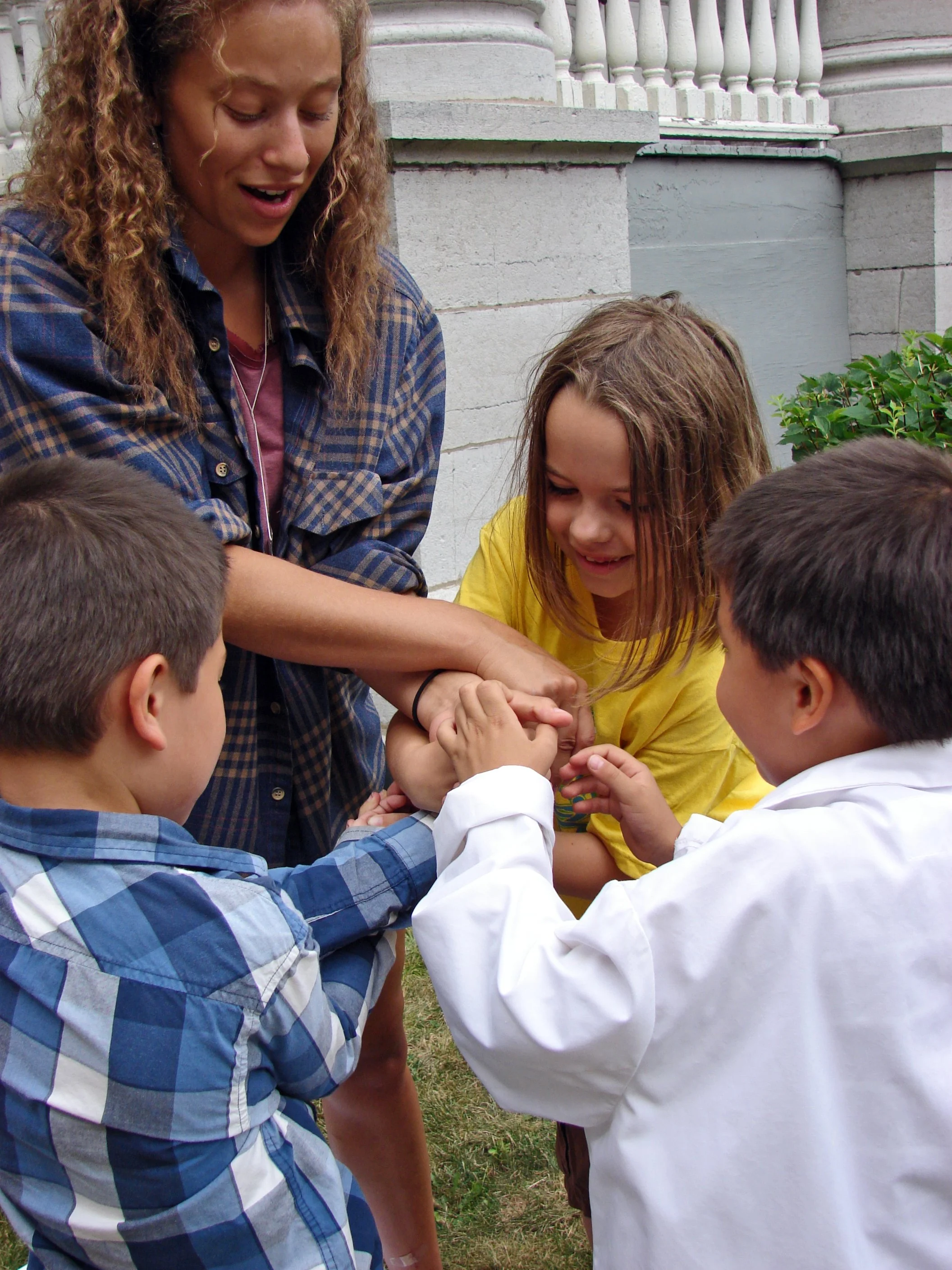
Working for the Museum of Health Care (summer 2013)
Working at the Museum was a really exciting chance to step outside my areas of knowledge. I really threw myself into learning and researching my interests relating to history of medicine; I read a lot of academic journals, textbooks, and other resources about medicine and medical history. This research culminated in an upcoming blog post about female hysteria treatments.
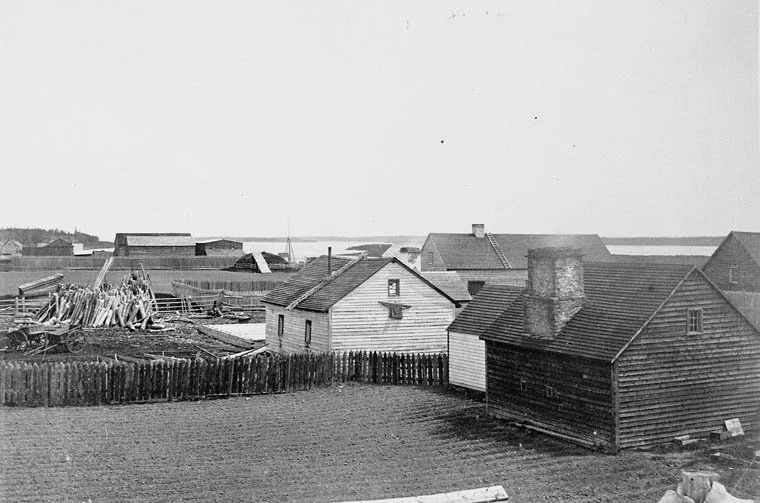
Medicine in the Mushkegowuk: A Connection Between North and South
Residents of Kingston will be aware of the positive impact that the local hospitals have on our city’s overall health, but what many of us might not know is that they have a much wider reach than just Kingston and its neighbouring communities; in fact, Kingston General Hospital, Hotel Dieu and Providence Care have been intimately linked with a hospital in a remote area of northern Ontario for the past fifty years.
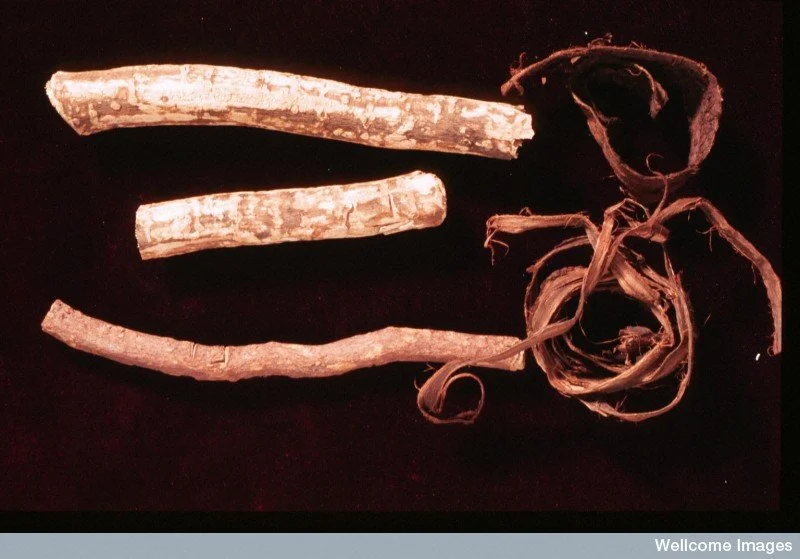
The Humble Toothbrush’s Extravagant Past
Oral hygiene and beauty have been interlinked throughout history. Since ancient times, people have attempted to clean their teeth to reduce or eliminate the pain and embarrassment of tooth decay while also working towards a perfect smile.