

MUSEUM BLOG
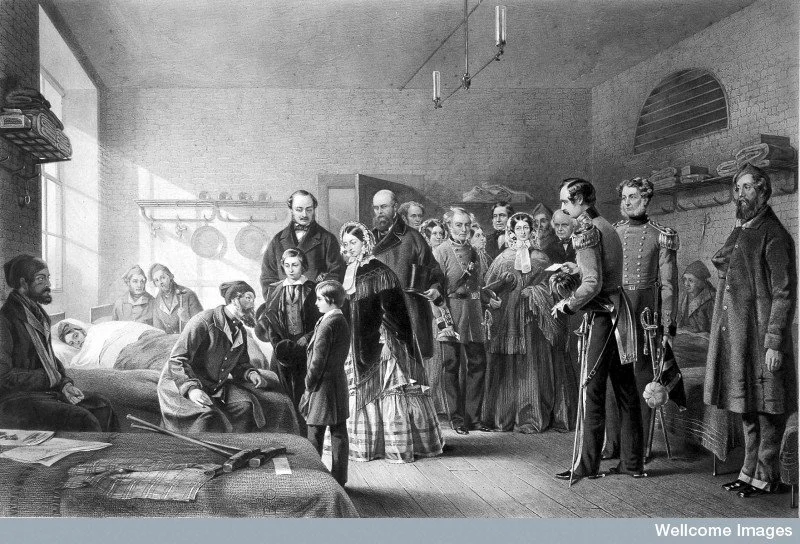
A Hair-Razing History of the Beard: Facial Hair and Men’s Health from the Crimean War to the First World War
The period following the Crimean War and until the end of the First World War marks an interesting time for men’s fashion and health. During the Victorian period, beards and other facial hair styles enjoyed resurgence in popularity which had not been seen since the late sixteenth and early seventeenth centuries.[1] While the facial hair trend waned by the end of the nineteenth century,[2] enthusiasm for debating the cleanliness and overall health of bearded and non-bearded men remained strong. With increased attention to the face, and more specifically the hair on it, doctors, nurses, soldiers and the general public engaged in spirited discussions of men’s health.
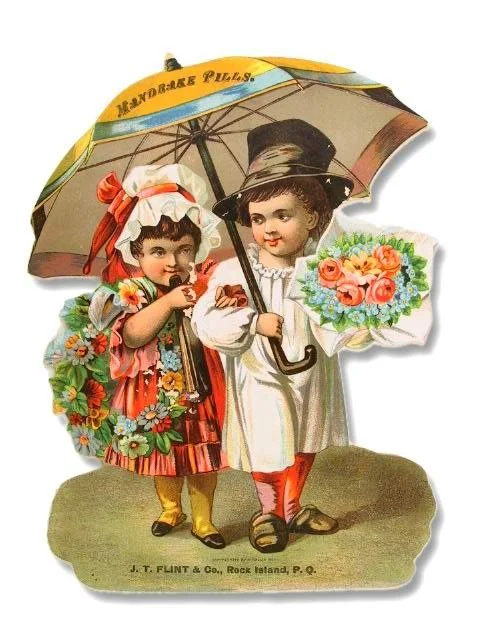
Mandrakes, from Mythology to Museum Collectable
The mandrake surfaces in a wide array of religious, scholarly, literary and popular culture texts. The root’s human-like form and properties as a narcotic (as well as, allegedly, an aphrodisiac and fertility aid) may partially account for the wealth of attention lavished on the plant, as well as its associations with magic and magical practitioners.
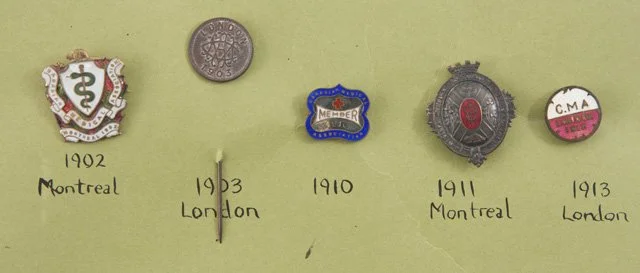
Snakes, Mistakes, and Mythology! The Use of the Rod of Asclepius and the Caduceus in Modern Medicine
While handling an artifact from the Museum’s collection, a familiar sight piqued my curiosity. Stamped onto a pin awarded by the Canadian Medical Association was a snake coiled around a staff. I had seen the same symbol on the badges of emergency health service workers, emblazoned on ambulances, and on pharmaceutical logos. I wondered, what were the origins this symbol? Why was it significant to medical organizations? Through what process had so many health professionals adopted it as a representation of their work?
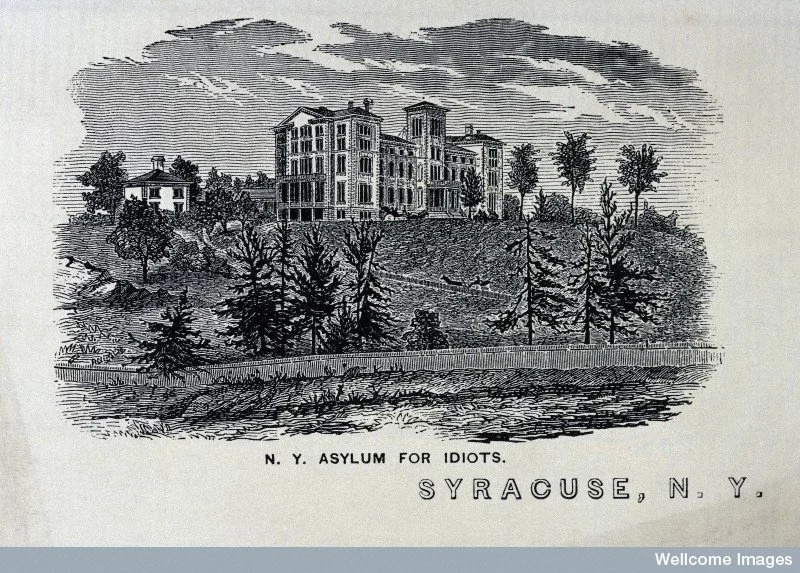
Mental Health: Tracing the History of Stigma
What seems to be the next epidemic though is dangerously invisible in its symptoms, but just as potent in its hold; it is one of the leading causes of death among Canadian youth from ages 15-24, and directly affects 20% of all Canadians.

Lydia E. Pinkham: Life and Legacy
Although she only turned to the commercial creation of medicine during the last eight years of her life, Pinkham experienced within that brief timeframe meteoric success as a producer of medicines marketed exclusively for women. Within her lifetime, Pinkham became a cultural icon.
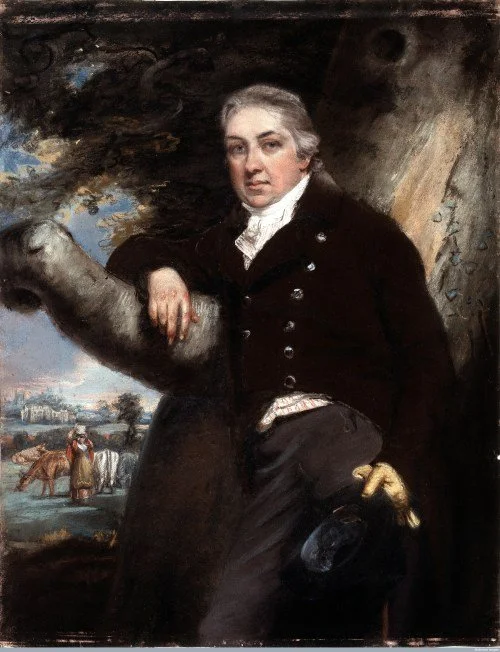
From Variolation to Cowpox Vaccination: The First Steps Towards Eradicating Smallpox
Edward Jenner looms large in the history of vaccination. Known today as the “father of immunology,” Jenner is most famous for developing a vaccine against smallpox in the 1790s. The vaccine brilliantly made use of common knowledge. Milkmaids were known for having noticeably clear and smooth skin. They had, it seemed, managed to develop an immunity to smallpox by suffering (and surviving) a bout of the much milder cowpox.

Dispelling Childhood Fears about Medicine and the Hospital
Children from the rough ages of 3 to 7 are usually apprehensive about going to a doctor or the hospital- they have no understanding of the various tools and tests and may form fearful misconceptions. Blood pressure machines may be stealing their blood, needles are painful, etc.

Vaccines and Immunization: Epidemics, Prevention, and Canadian Innovation
There is significant public debate over the merits and risk of vaccinations, much of which is fueled by inflammatory rhetoric rather than facts and science. This debate has raged ever since the first vaccine for smallpox was proposed by Dr. Edward Jenner in the 1790s and, doubtless, it will continue as new vaccines are developed.
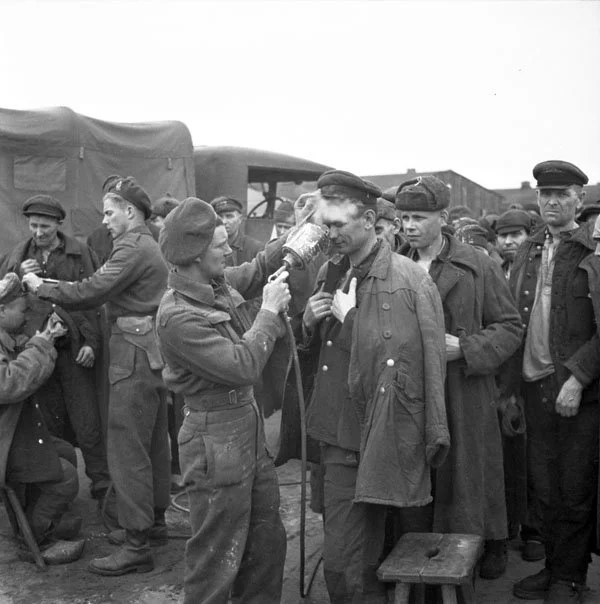
A Fighting Chance: Disease, Public Health, and the Military, Part 3
From a medical point of view the two military campaigns to capture the Dutch island of Walcheren – the first in 1809, the second in 1944 – could not have been more different. The 1809 British expedition was ravaged by disease, a lethal combination of malaria, typhus, typhoid fever, and dysentery that infected over 60% of the force, killed over 4,000 soldiers, and left tens of thousands as casualties.
A Fighting Chance: Disease, Public Health, and the Military, Part 2
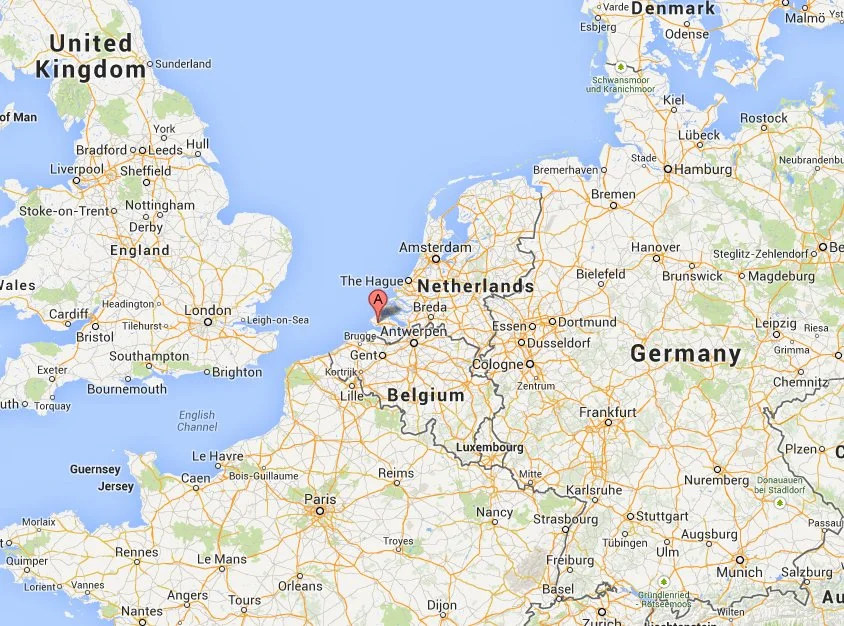
Two of the most remarkable stories in military medical history happened in the exact same place: Walcheren, a strip of land that sits like a cork in the mouth of the Scheldt River running through the Netherlands and Belgium.