

MUSEUM BLOG
Explore our blog to learn about pieces from Canada’s largest collection of medical artifacts, discover the lesser-known history of health care, or hear about all of the exciting developments at the Canadian Museum of Health Care.
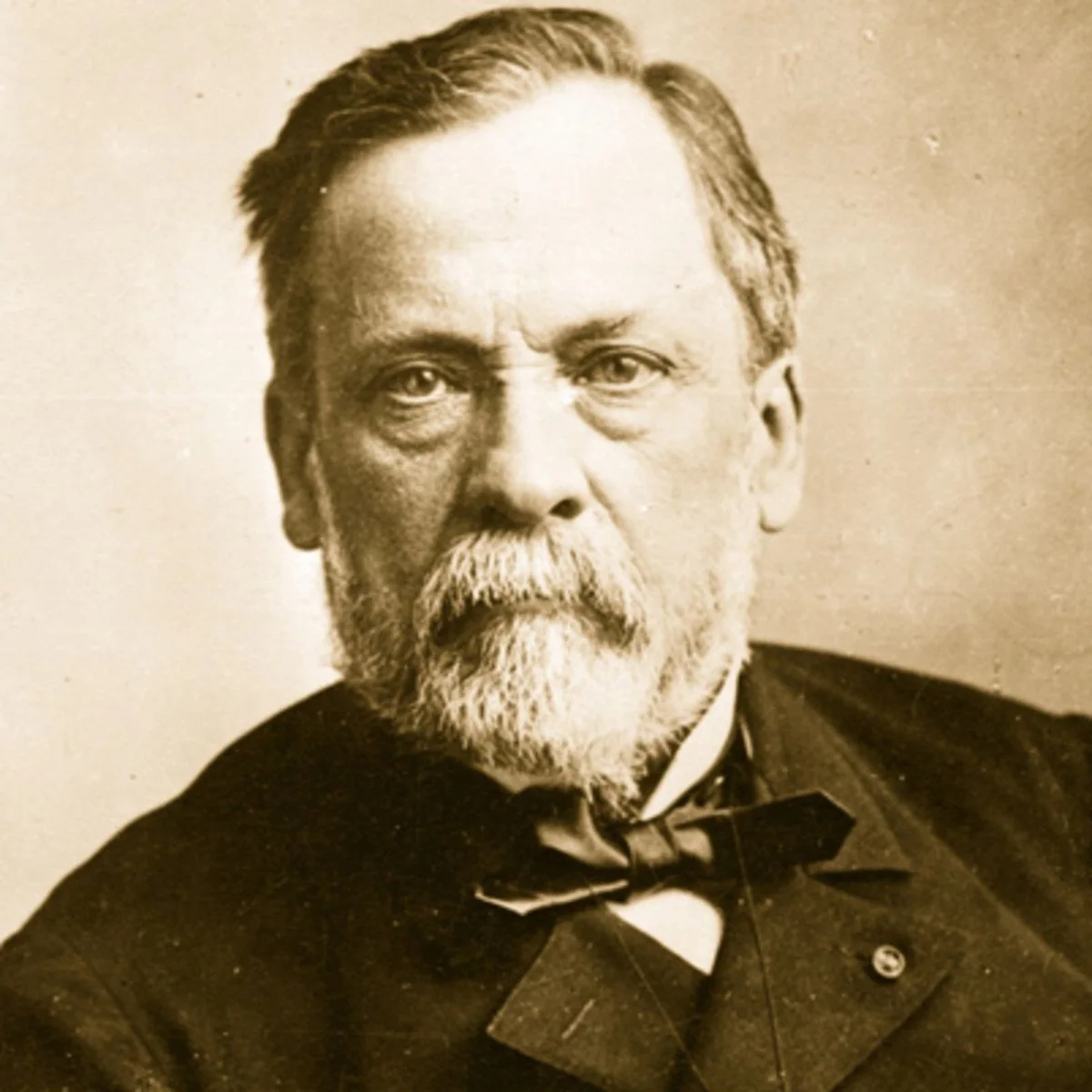
The History of Vaccinations: The Build Up to the Spanish Flu
An understanding of disease resistance has existed in written records as far back as 429 BCE when the Greek historian Thucydides acknowledged that those who survived a smallpox epidemic in Athens were subsequently protected from the disease. Since a basic understanding of the biological underpinnings of infection was not understood for a long time, it was not until 900 AD when the Chinese developed a rudimentary smallpox inoculation. Chinese physicians noted how uninfected people who were exposed to a smallpox scab were less likely to acquire the disease or, if they did, that it was milder. The most common method of inoculation was to inhale crushed smallpox scabs through the nostrils.

Dr. Guilford B. Reed: The Influenza Vaccine That (sort of) Worked
Born in Port George, Nova Scotia in 1887, Dr. Guilford Bevil Reed grew up on the East coast as the son of the prominent ship builder and architect, William Reed. While living in the Annapolis Valley, Guilford developed a deep love of the natural world. He spent his days surrounded by five siblings and endless apple orchards, and maintained a curiosity that propelled him throughout his life.
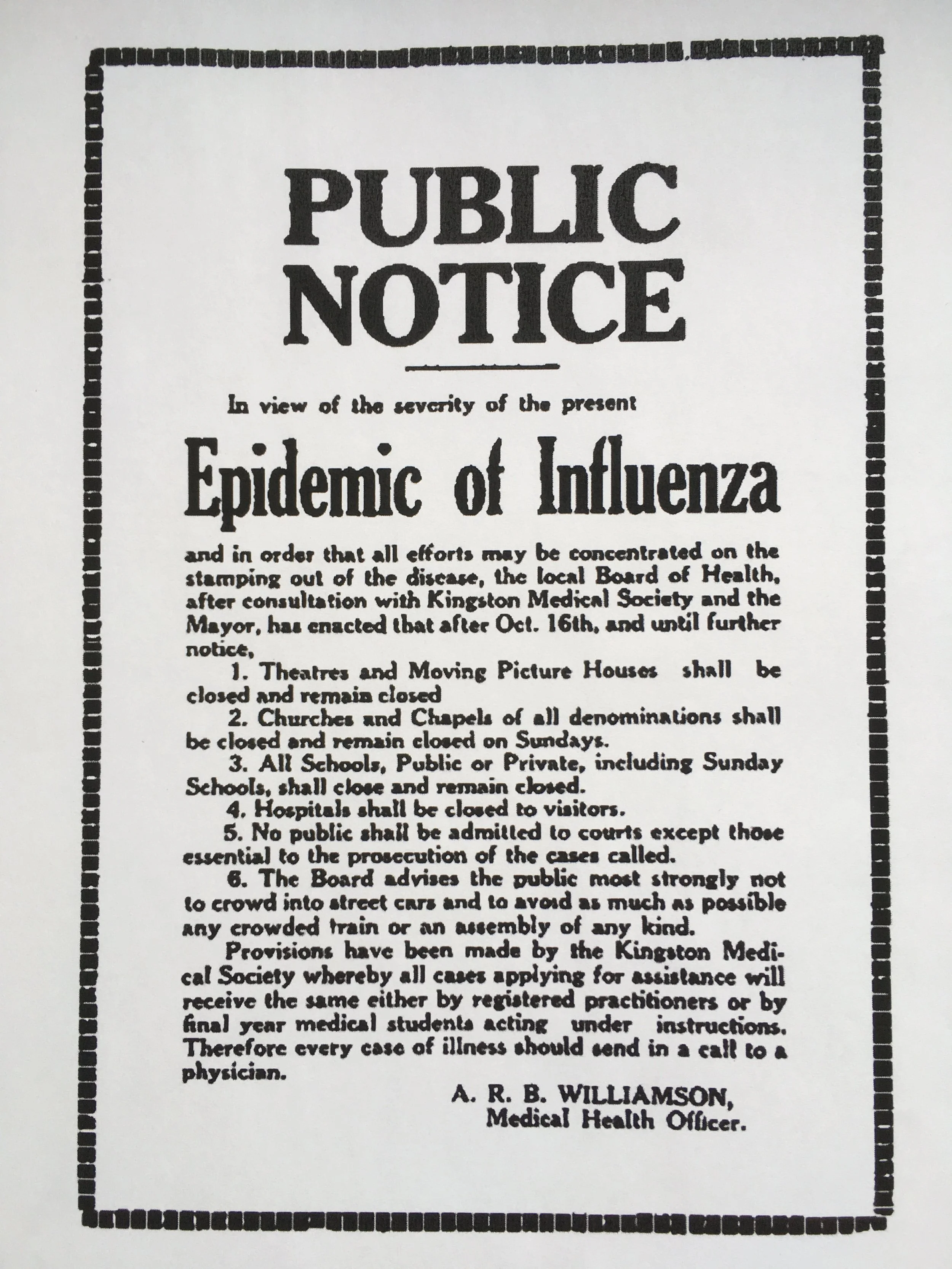
The Reality of the Flu: Kingston's United Effort Against the Spanish Influenza
“Scores of citizens are not in accord and want something done. It is difficult for the layman to get rid of the old idea that an ounce of prevention is worth a pound of cure”
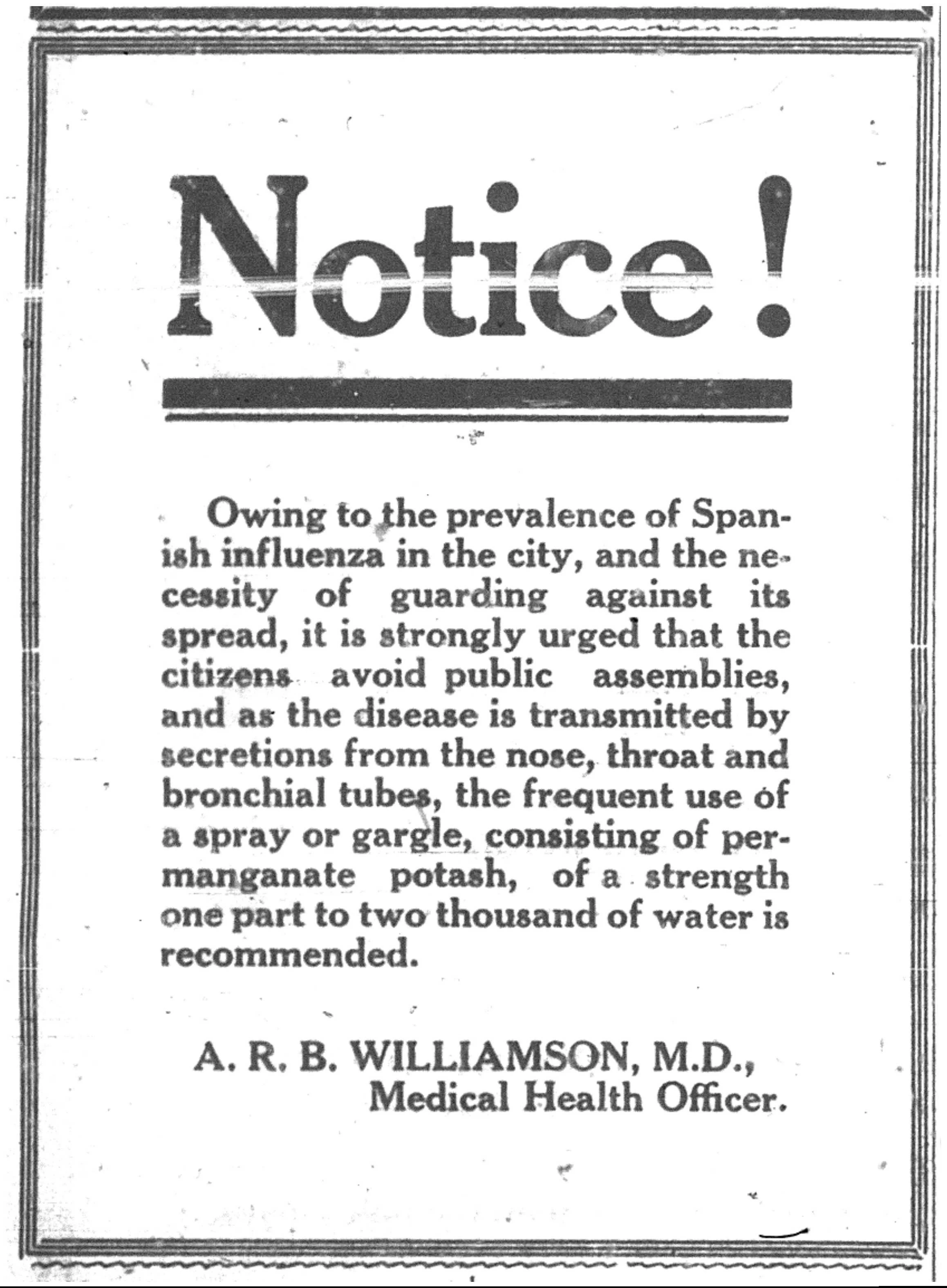
Kingston's Initial Response to the Spanish Influenza
As news of the Spanish Influenza reached Kingston in September 1918, an interesting story began to develop.
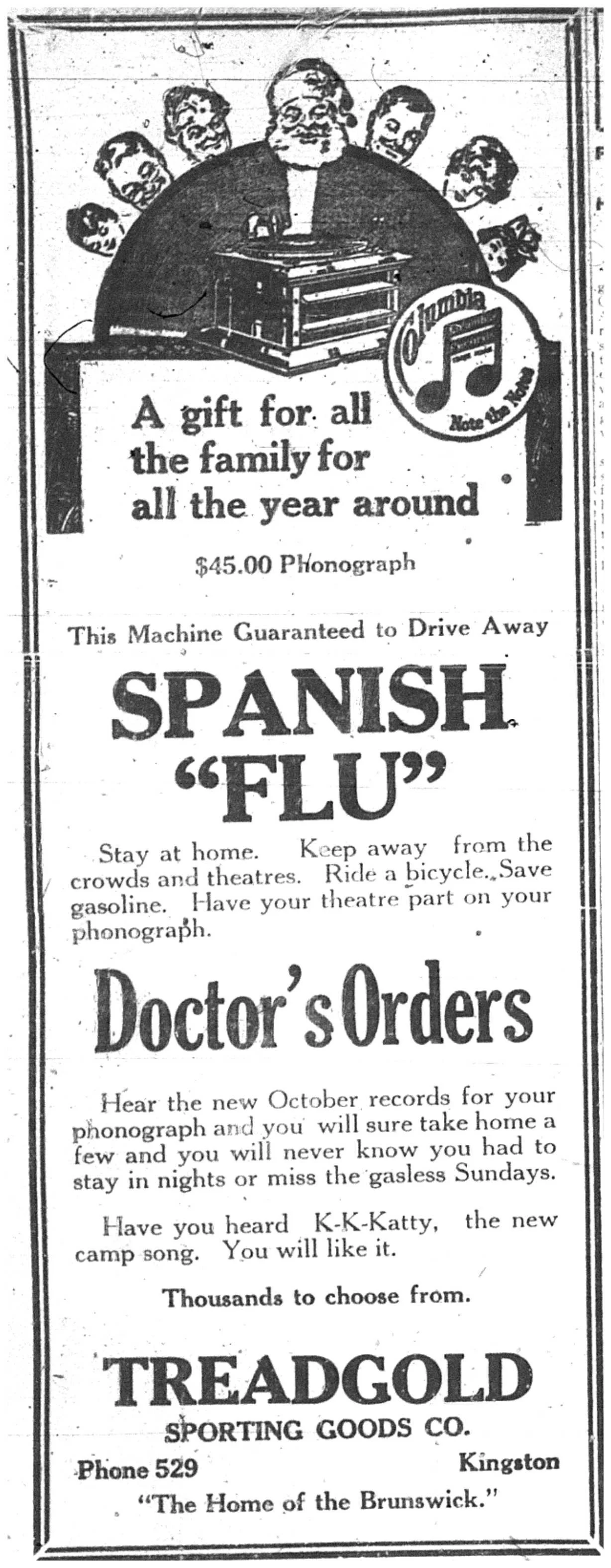
The Infamous Spanish Influenza
Over the coming summer months, I have the pleasure of developing a manuscript for the Museum of Health Care discussing the Spanish Influenza’s impact on Kingston. With biweekly blogs, I hope to share some of the insights, stories, and images that I come across as I explore this fascinating topic.
A Mere Appendix: Pioneering Surgery in Grand Valley Ontario
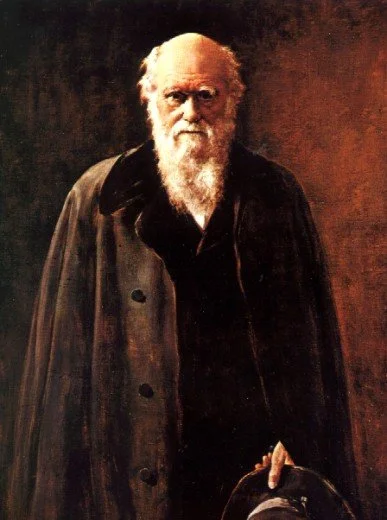
The appendix represents quite a mystery. For many years it was believed to be a vestige of our distant ancestors; the trace of a cecum, a part of many animals large intestine. This theory was put forward by Charles Darwin, but was mostly refuted in 2013.

Treatments for Menstrual Cramps throughout History
If menstrual cramps continue to significantly affect women today, even with accessibility to modern painkillers, how did the women of the past attempt to treat the pain associated with their monthly menstrual cycles?
Laudanum: Freedom from Pain for the Price of Addiction
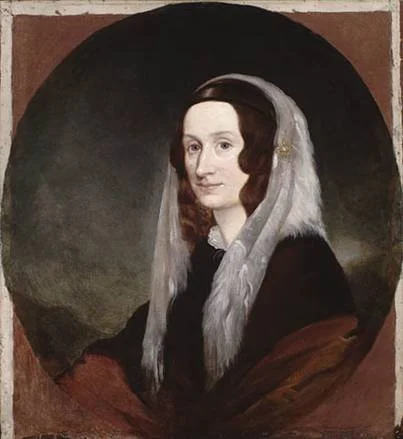
On Canada Day, the Museum of Health Care unveiled a new exhibit entitled “A Stubborn Illness” about the health of Sir John A. Macdonald and his family. When I first toured the gallery I was struck by the intriguing medicine prescribed to Sir John A. Macdonald’s first wife, Isabella Clark. Visitors seemed to share my sentiment and several have inquired why laudanum is no longer a popular treatment. Further investigation of laudanum and Isabella’s relationship with it reveals that though the drug provided pain relief, its side effects and risks far outweighed its benefits.
Touched by the Lord’s hand: The history of Multiple Sclerosis
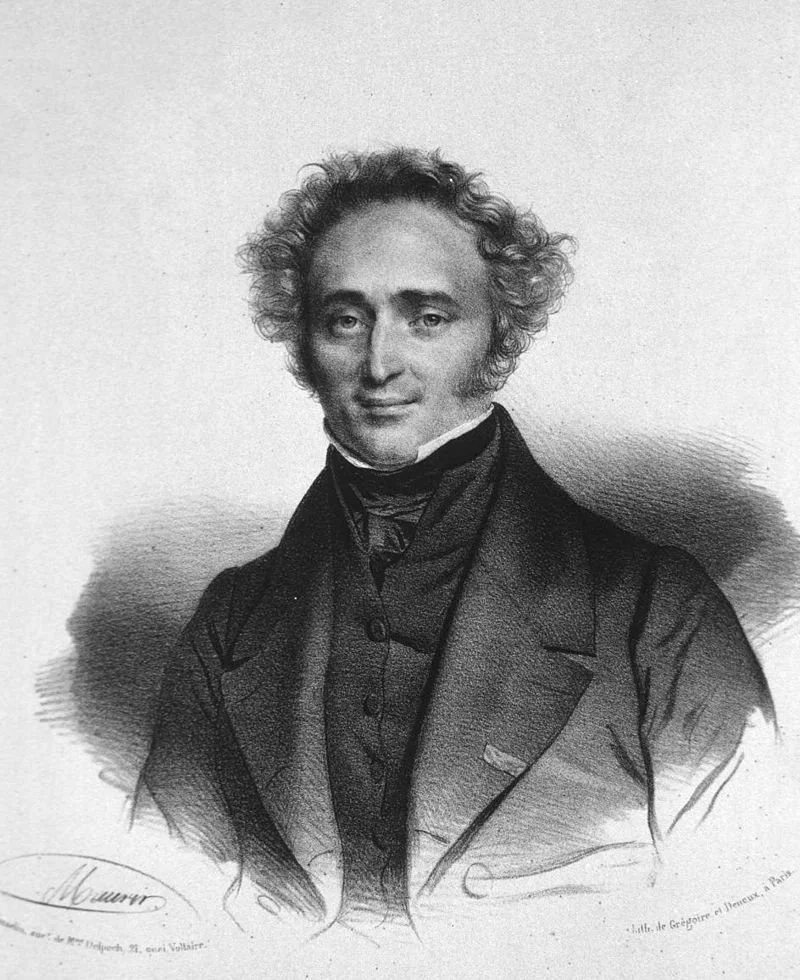
Although the signs of MS have been observed for more than 175 years, it is still quite misunderstood. How did we first learn of the existence of MS, and how much have we learned in all these years about this disease chronic and debilitating illness and its treatment?
Voluntary Veil: The Canadian Voluntary Aid Detachment in the First World War
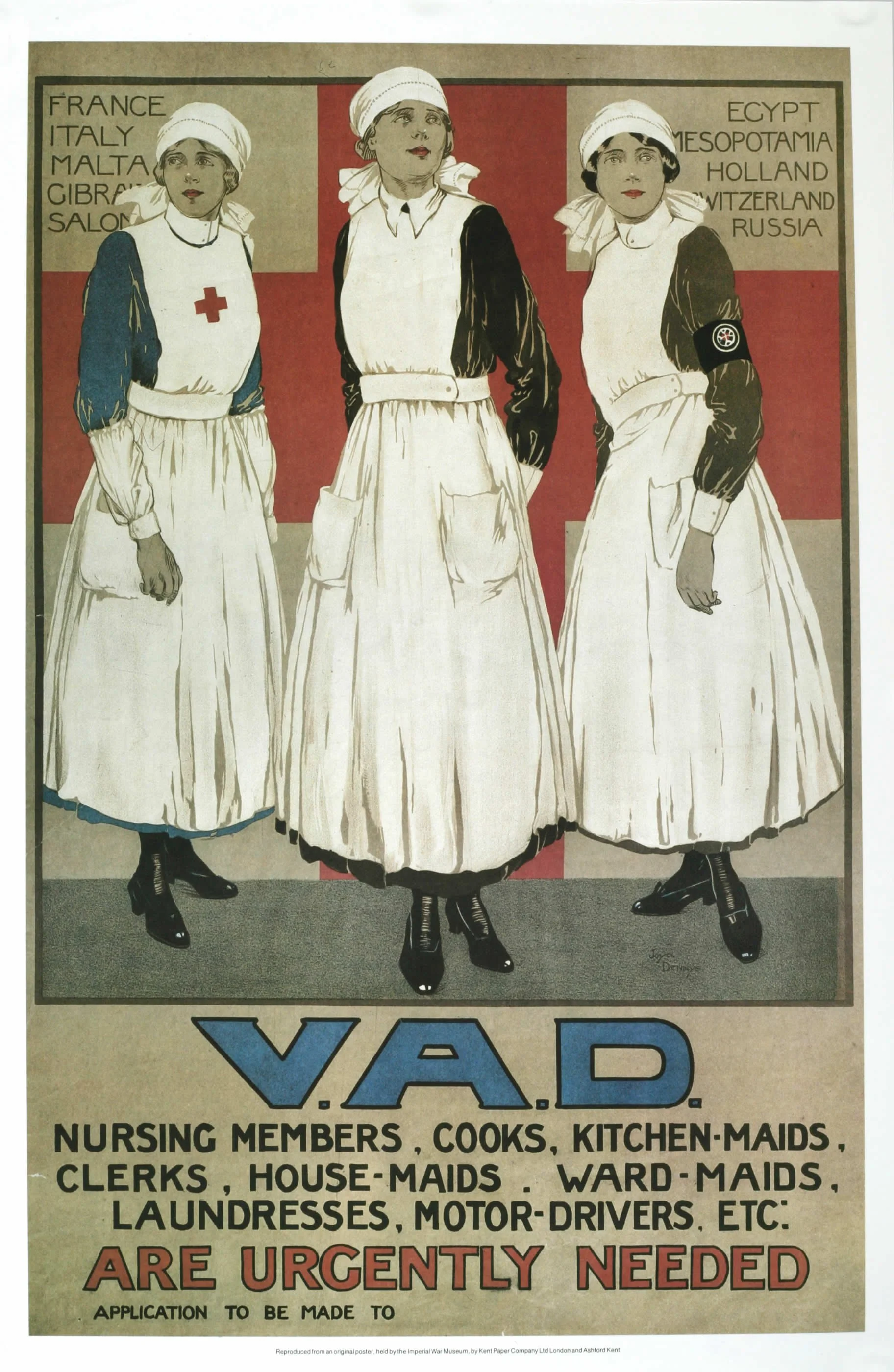
Before the mid 19th century, women had a discreet but ever-present role on the battlefield, mostly as camp followers. When women such as Florence Nightingale started to demonstrate the value of military nurses, armies began to slowly, but surely assign them to their medical services.