

MUSEUM BLOG
Explore our blog to learn about pieces from Canada’s largest collection of medical artifacts, discover the lesser-known history of health care, or hear about all of the exciting developments at the Canadian Museum of Health Care.

Profile of a Travelling Nurse: Whitehorse
"It took me less than 24 hours to fall irreversibly in love with the Yukon."
A Trip Down Memory Lane
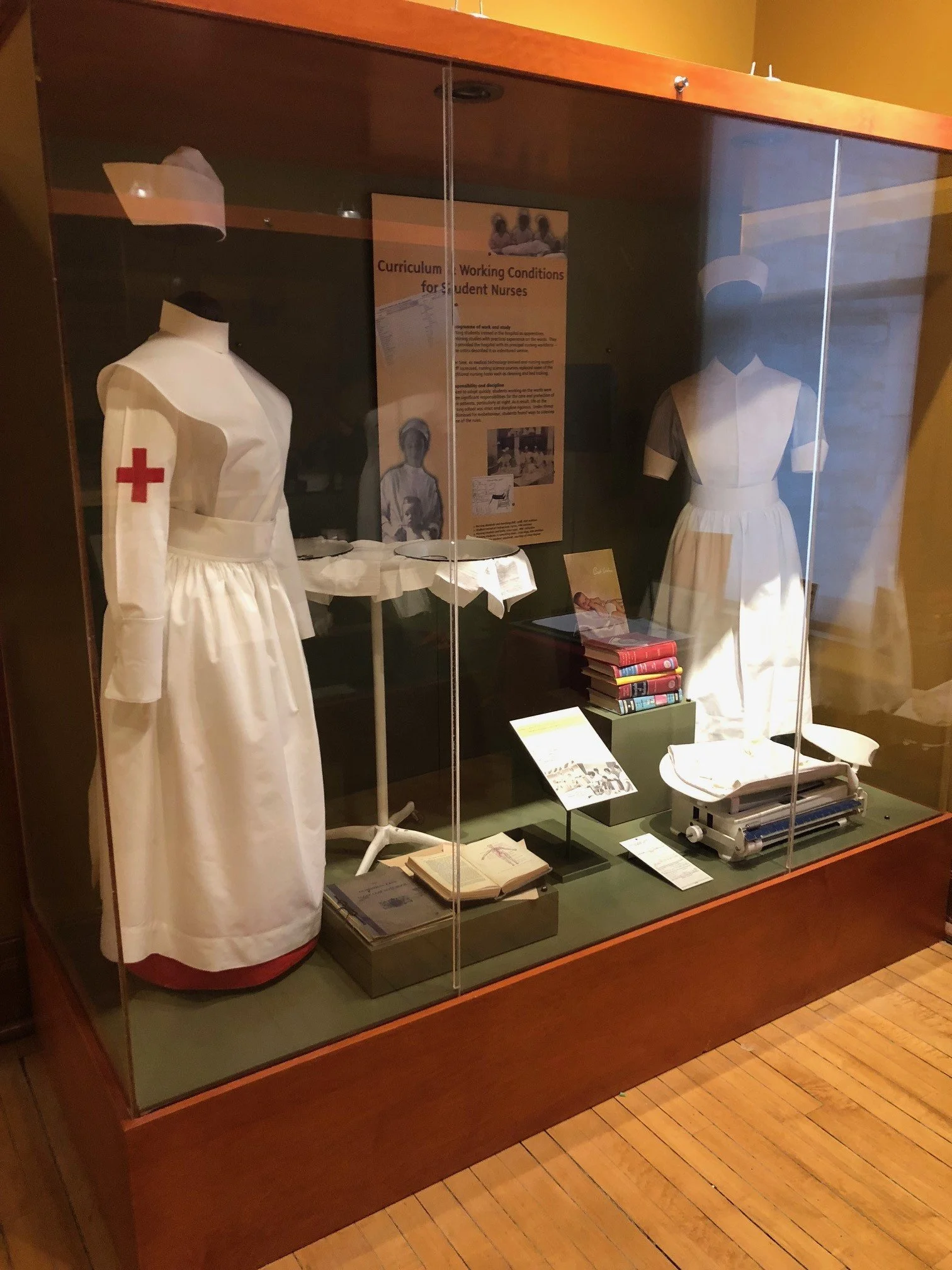
What is the purpose of a museum? To help people understand the past? To show items that most people would not see? To preserve and display articles from the past so that we can better understand our present? To give a fuller picture of how life used to be? A museum can be all these things, but a museum, especially one with a more modern focus, can be so much more.
Good Air and Bad Air: The Importance of Ventilation
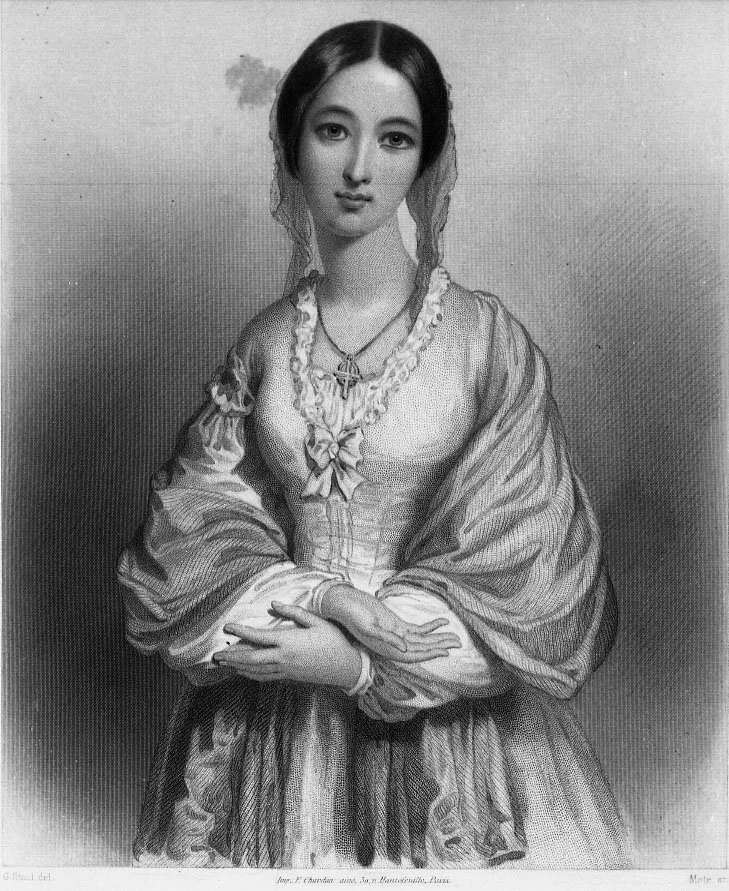
Considered by many as the founder of modern nursing, British social reformer Florence Nightingale (1820-1910) was one of the most well-known female voices on health care in the 19th century. In this blog entry, I outline what Florence Nightingale believed was the most important consideration of nursing – the ventilation and good air of a patient’s room – and will explore how this advice recurs and develops in the ensuing forty years in home advice manuals.
Domestic Nursing: An Introduction to Maintaining the Sick-Room
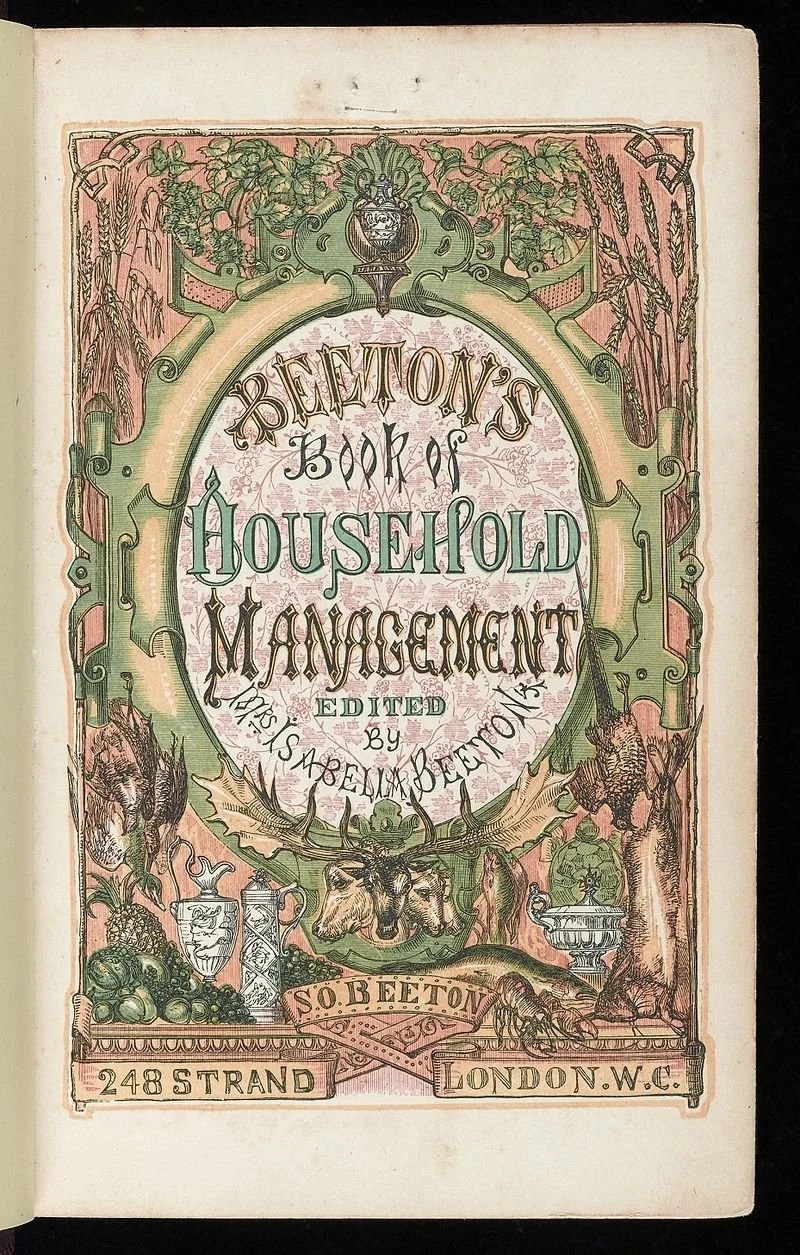
Mrs. Beeton’s Book of Household Management: A Complete Cookery Book (1861) was perhaps the most well-known and referred-to home advice manual of its time. It was originally published in 24 separate parts from 1859 to 1861, and then compiled as a bound book in 1861, soon becoming a staple in most Victorian homes.
Health Care in the Victorian Home
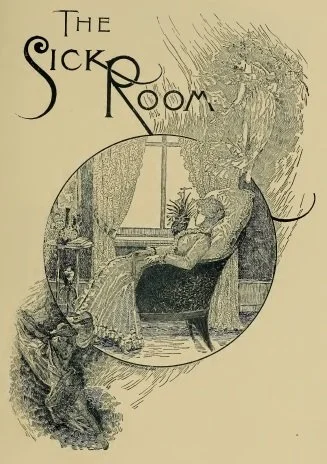
I am very excited to be able to research and share with you a topic I personally find fascinating – health in the Canadian home during the Victorian era. I will be using home advice manuals, written primarily by women authors, to explore how the day-to-day health of families did not primarily fall underneath the purview of the doctor or the midwife, but was left in the care of the mother of the home or the ‘Angel in the House’.
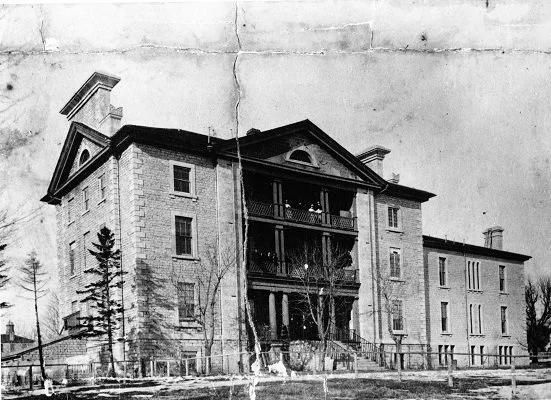
A Necessary Public Service to Uphold: Kingston General Hospital and the Hospital Funding Crisis of 1867
The loss of KGH’s annual grant from the newly formed government in 1867 not only greatly impacted the hospital, but the Kingston community as well. Recognizing the growing value and importance of the hospital to the community, KGH’s Board of Governors and members of the community rallied to save the hospital at this critical juncture in the history of health care in Canada, when the idea of supporting public hospitals was still in question.

The Spanish Flu at KGH: A Frequent and Quick Killer
The following data were obtained from the Admissions and Death Registers at Kingston General Hospital (KGH) for investigation during the research project. Within the Registers, cases of influenza were often associated with other diseases, most frequently pneumonia. If reference to ‘influenza’ was made in the patient’s Reason for Admittance, that individual was included in the cohort being studied. With such a high incidence of pneumonia developing from influenza during the Spanish flu, those with ‘pneumonia’ were also included in the cohort. However, because pneumonia may also develop from a myriad of conditions unrelated to the flu, diagnoses of ‘pneumonia and other non-influenzal disease’ were not included (e.g., anemia and pneumonia).

The Prophylactic Treatment of the Spanish Influenza
With the wide-sweeping devastation of the Spanish Influenza in the Fall of 1918, communities around the world were eager to come together and share insights and ideas about protective treatments and therapies.
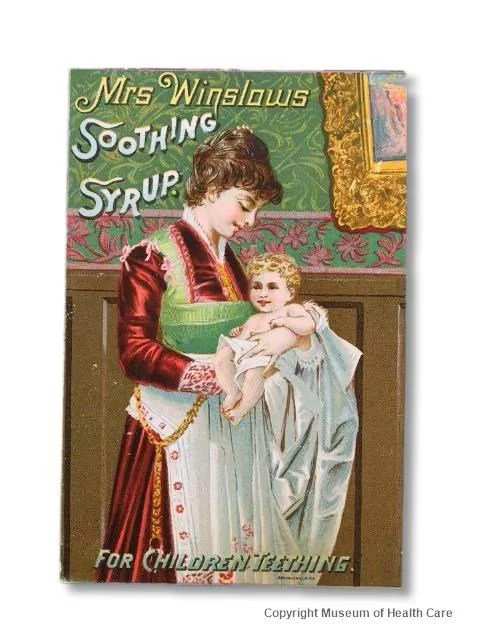
Mrs. Winslow’s Soothing Syrup: The Baby Killer
The primary ingredients of the syrup were morphine and alcohol, with approximately 65 mg of morphine per fluid ounce. A teaspoonful of the syrup, then, had the morphine content equal to that of approximately twenty drops of laudanum.
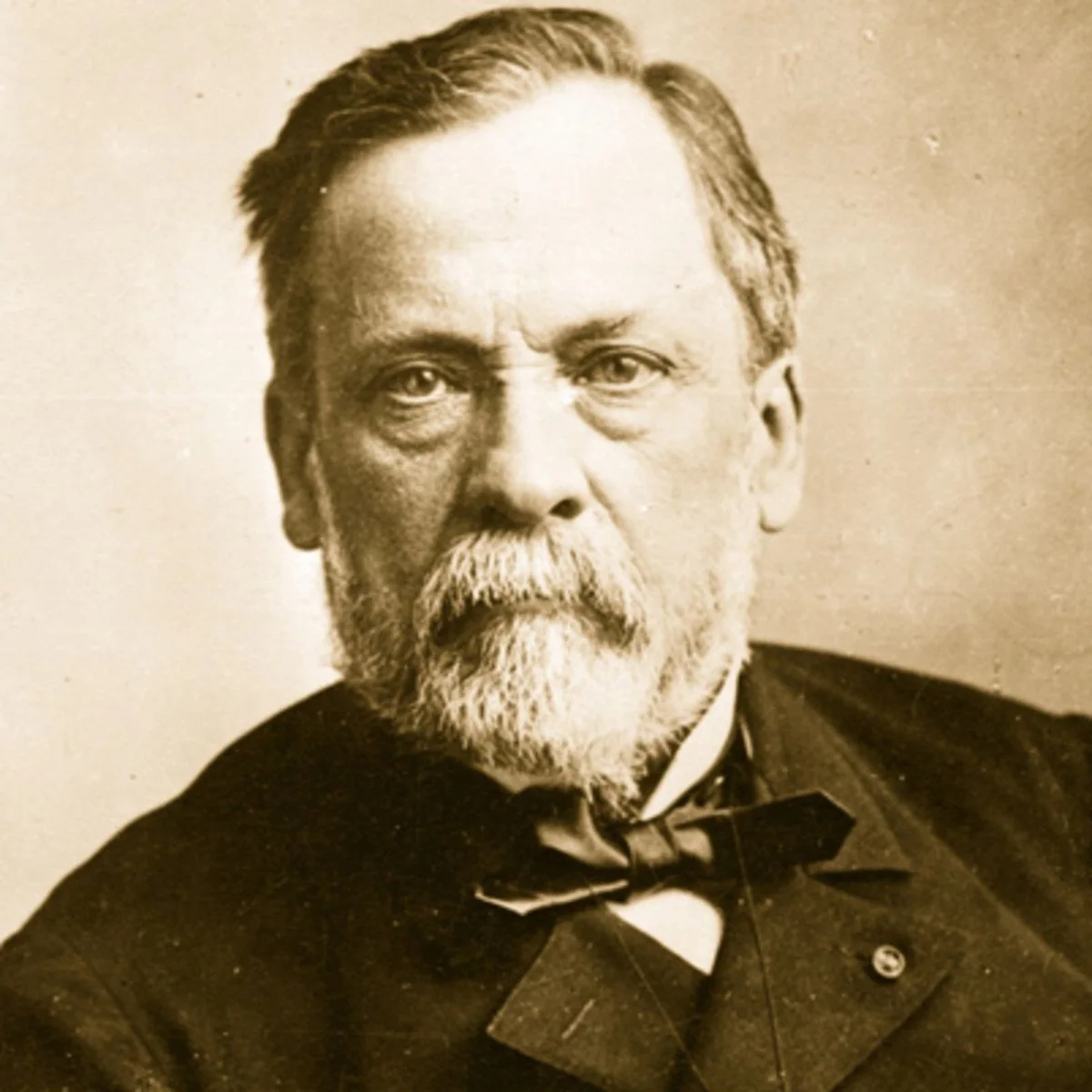
The History of Vaccinations: The Build Up to the Spanish Flu
An understanding of disease resistance has existed in written records as far back as 429 BCE when the Greek historian Thucydides acknowledged that those who survived a smallpox epidemic in Athens were subsequently protected from the disease. Since a basic understanding of the biological underpinnings of infection was not understood for a long time, it was not until 900 AD when the Chinese developed a rudimentary smallpox inoculation. Chinese physicians noted how uninfected people who were exposed to a smallpox scab were less likely to acquire the disease or, if they did, that it was milder. The most common method of inoculation was to inhale crushed smallpox scabs through the nostrils.