MUSEUM BLOG
Explore our blog to learn about pieces from Canada’s largest collection of medical artifacts, discover the lesser-known history of health care, or hear about all of the exciting developments at the Canadian Museum of Health Care.
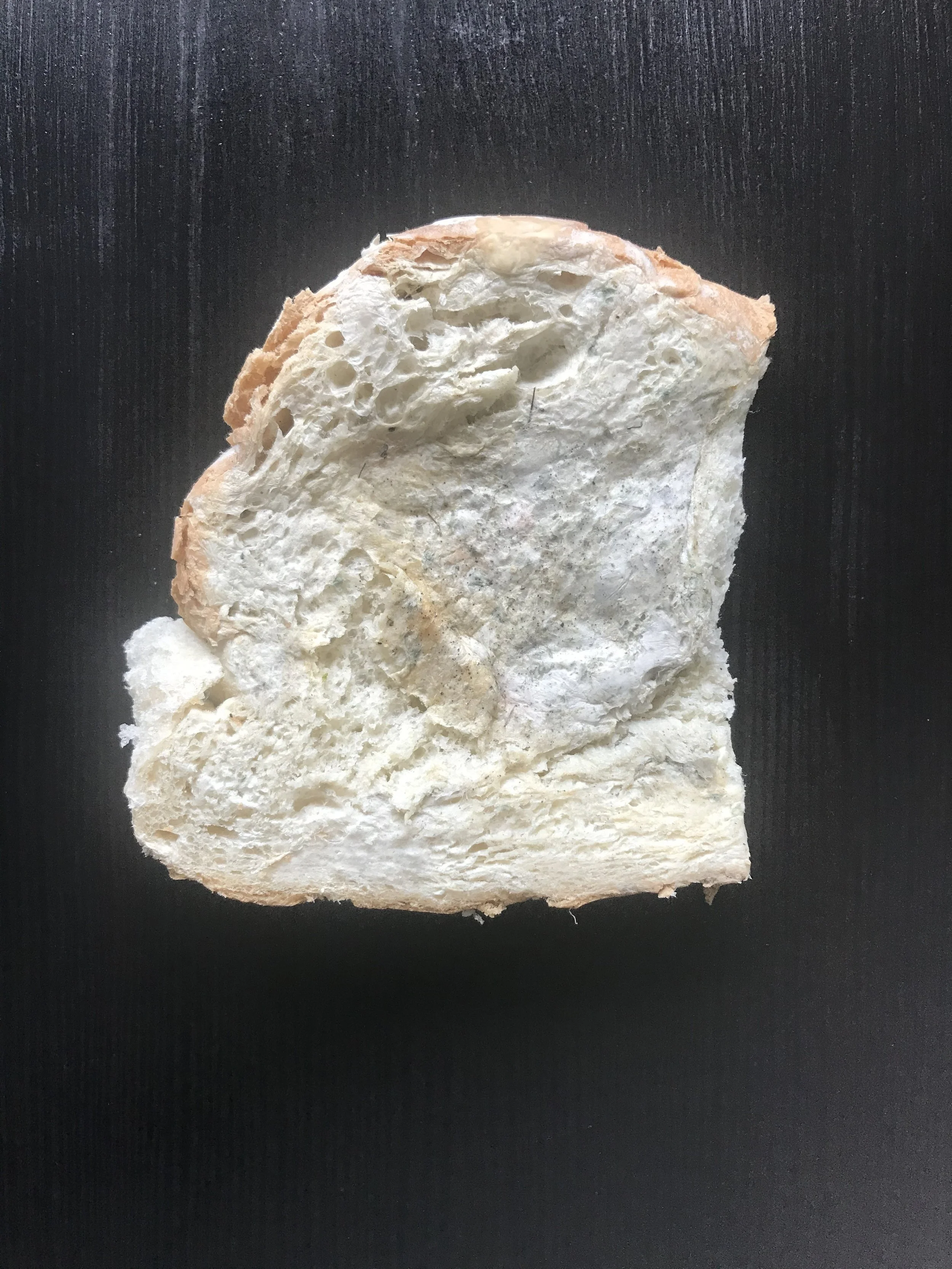
Activities at Home #2a: Grow Your Own Mold! (Grade 5 - 6)
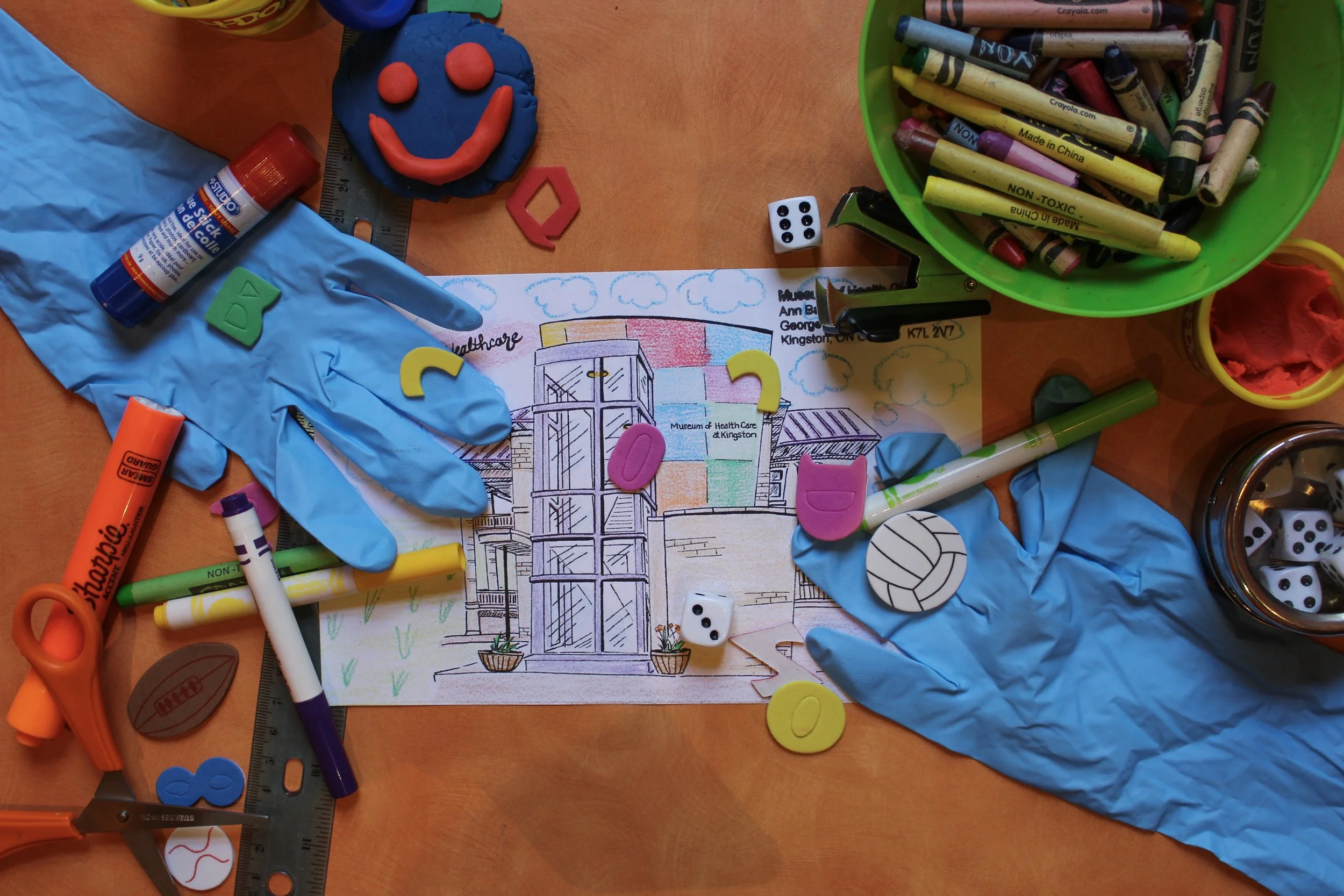
Students will learn the importance of frequent handwashing by contrasting the production of mold on an object exposed to bacteria present on their hands throughout the course of a typical day, compared to the rate of mold production on an object exposed to recently washed hands. Students will also learn the importance of tracking the frequency of handwashing throughout their day-to-day routines.
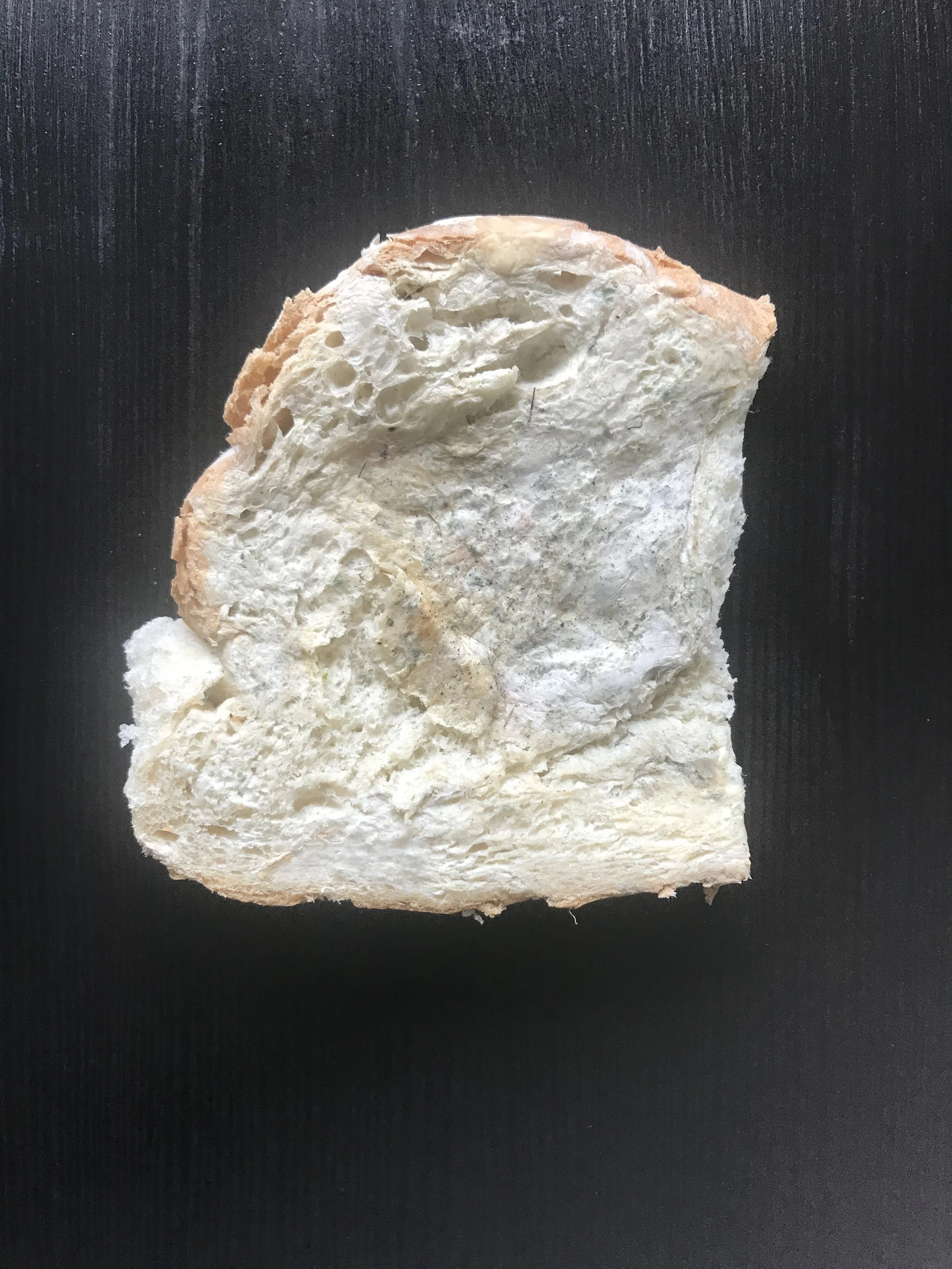
Activities at Home #2a: Grow Your Own Mold! (Grade 1 - 2)
Students will learn the importance of frequent handwashing by contrasting the production of mold on an object exposed to bacteria present on their hands throughout the course of a typical day, compared to the rate of mold production on an object exposed to recently washed hands. Students will also learn the importance of tracking the frequency of handwashing throughout their day-to-day routines.
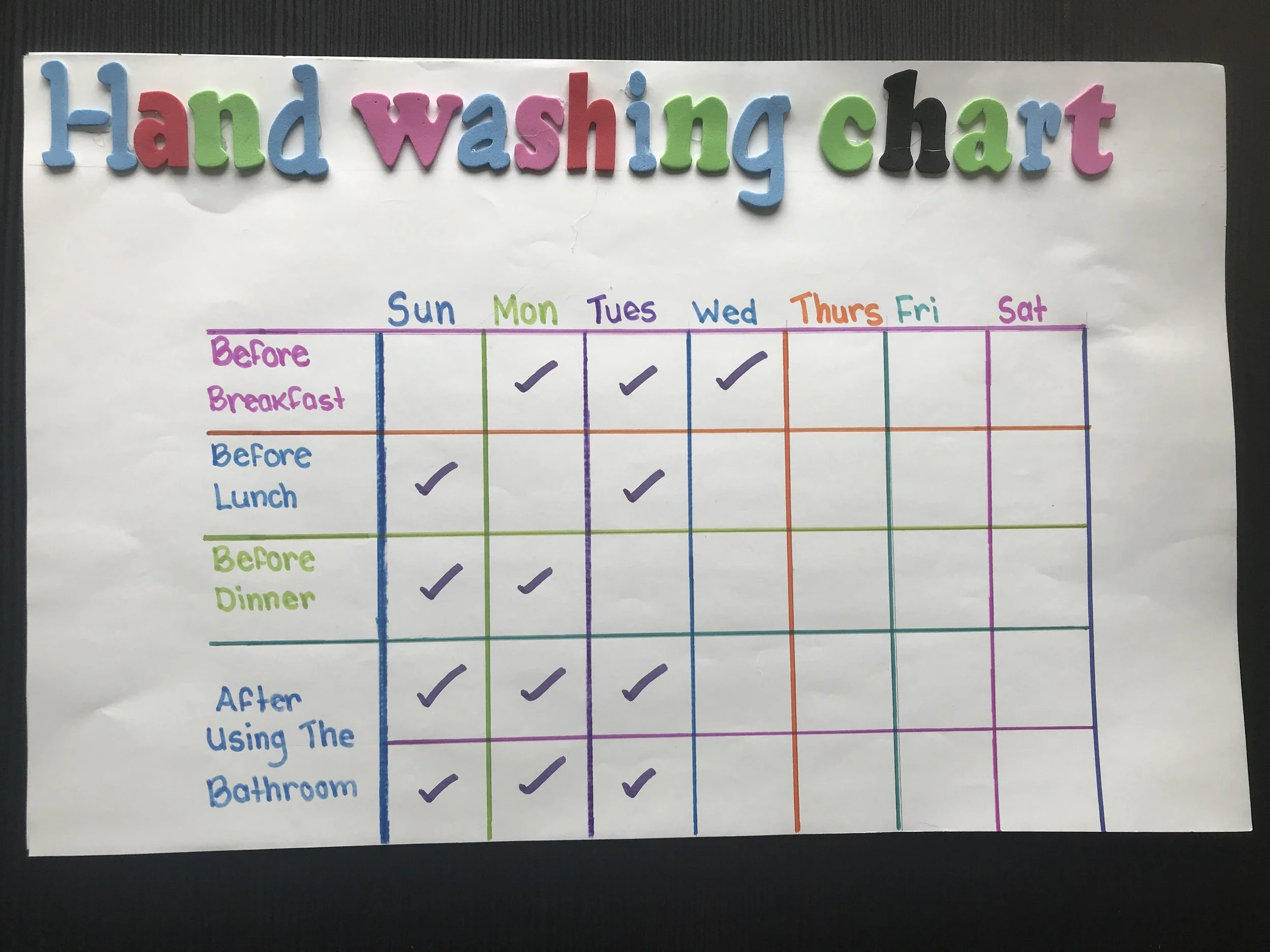
Activities at Home #2b: Handwashing Diary (Grade 1 - 6)
Students will learn the importance of frequent handwashing by contrasting the production of mold on an object exposed to bacteria present on their hands throughout the course of a typical day, compared to the rate of mold production on an object exposed to recently washed hands. Students will also learn the importance of tracking the frequency of handwashing throughout their day-to-day routines.
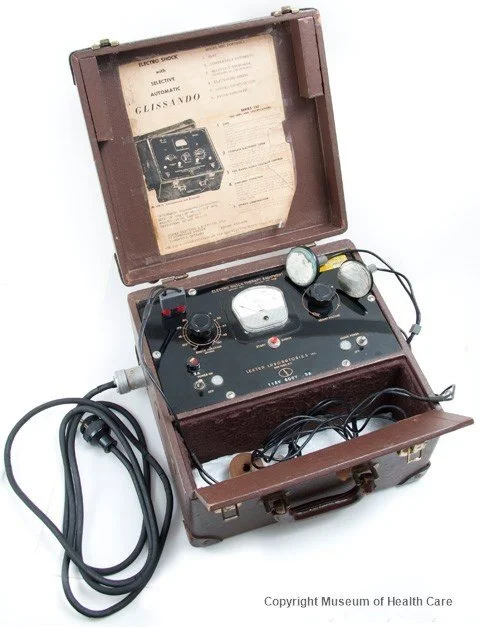
Electroconvulsive Therapy: Controversial, even at Conception
On March 9, 2020, Justice Minister David Lametti introduced Bill C-8, which would amend Canada’s Criminal Code to ban Conversion Therapy. With this ban being proposed in the House of Commons, it is important to understand the history of Conversion Therapy, as well as how electroconvulsive therapy (ECT) has played a key role in the practice.
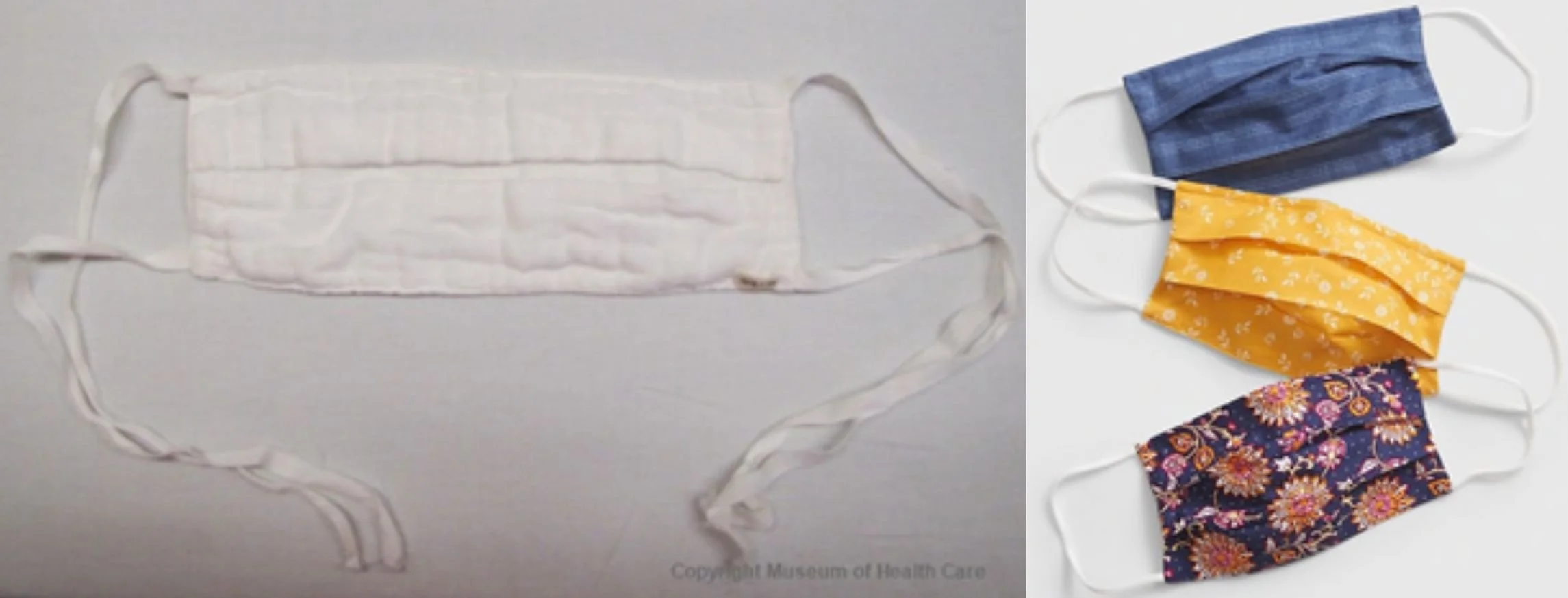
The Face Mask – A Life-Saving Device Pioneered by Dr. Wu Lien-teh
The history of the masks that we wear have their roots in a few different areas, including both from the medical community, as well as from the Personal Protective Equipment of firefighters and soldiers in the late 19th and early 20th century. The first surgical mask came in 1899 when Carl Flügge (1847-1923) was working on tuberculosis research when he developed his droplet theory of infection. This theory proved that microorganisms can be expelled as droplets from the respiratory tract and reach another person. Flügge, his pupils, and successors conducted further experiments to determine that droplets are especially expelled during activities of talking, coughing, blowing, and sneezing.
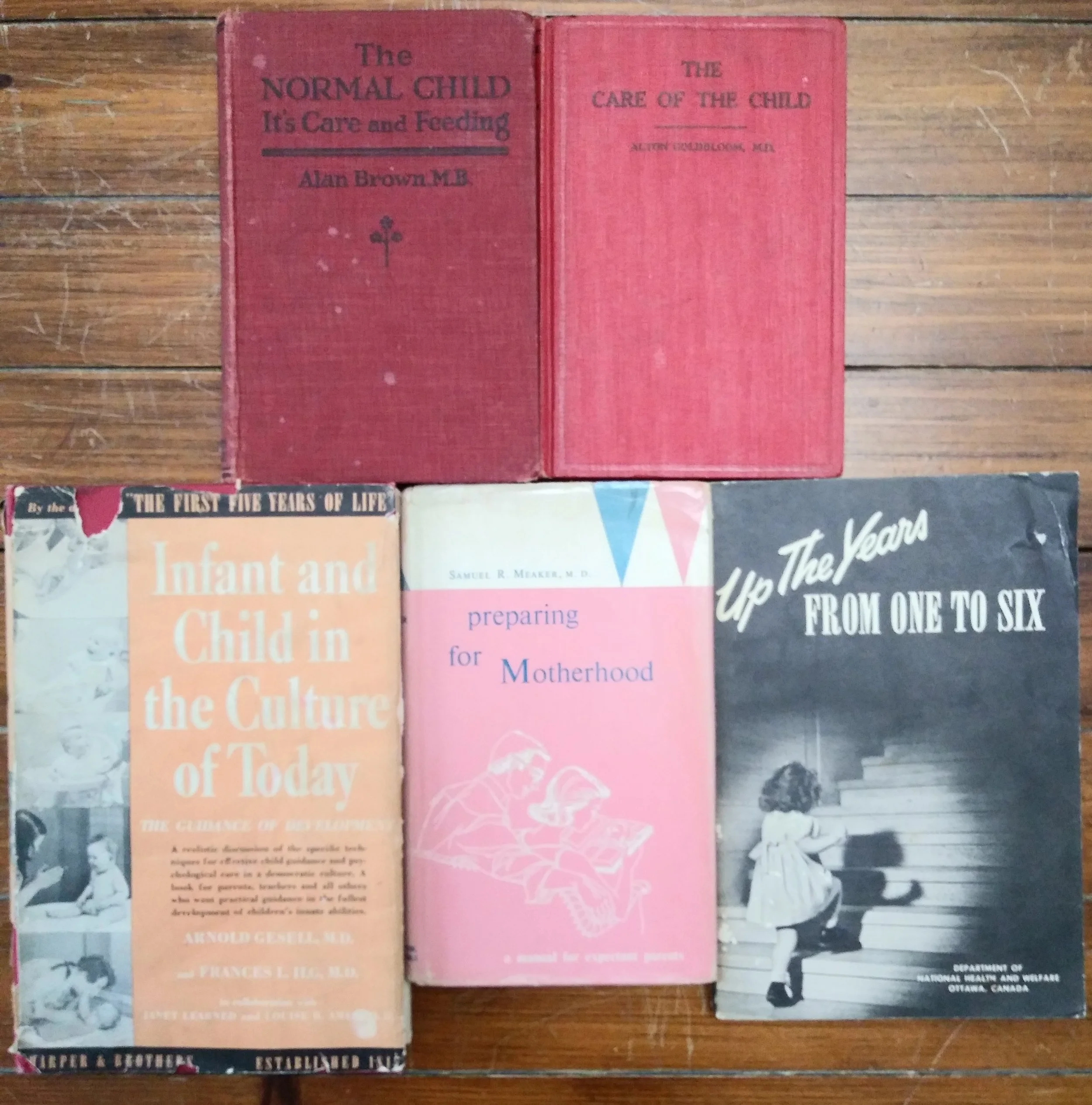
Parenting Manuals and the 1920s-50s Canadian Family
While perusing the many books that make up the Museum’s little-known reference library for a work assignment, I discovered a small collection of books concerning parenting and child rearing. These books are early incantations of the parenting books that are so incredibly common today. The earliest is from 1926 and the most recent is from 1959. At face value, these books aren’t of much interest to anyone other than prospective parents, of which I am certainly not one! However, knowing that Canadian society changed dramatically from 1926 to 1959, I wondered if any of the changes in healthcare and the social fabric of the country would be reflected in these books. With the help of a little background research, I was pleasantly surprised at just how much these little books could tell us about the history of Canada.
Discovering Diseases: The Beginnings of Germ Theory and Preventative Precautions
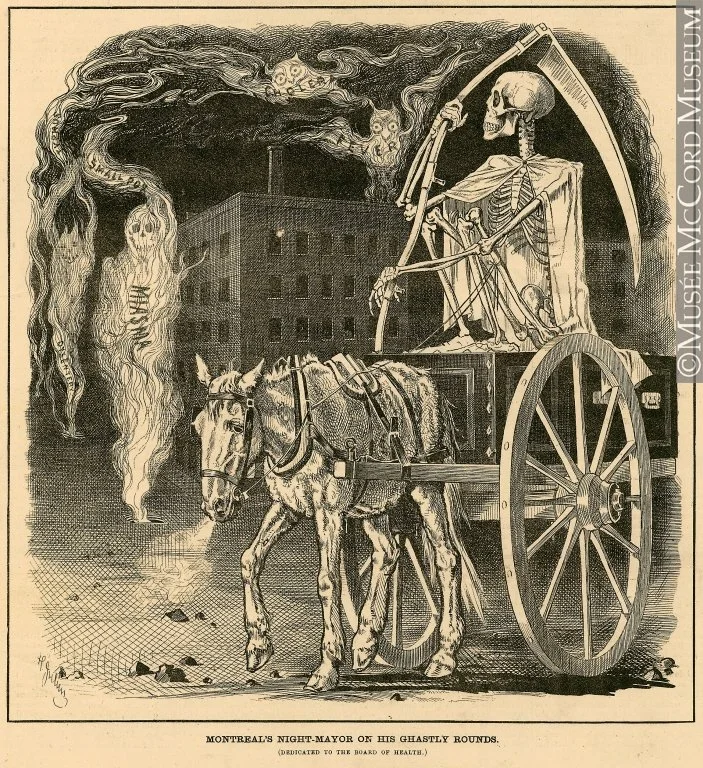
"Germ theory was not easily accepted. All across Europe and into the USA and Canada, it was heavily contested and challenged by medical professionals who were unwilling to accept the changes to the scientific system."