

MUSEUM BLOG
Explore our blog to learn about pieces from Canada’s largest collection of medical artifacts, discover the lesser-known history of health care, or hear about all of the exciting developments at the Canadian Museum of Health Care.

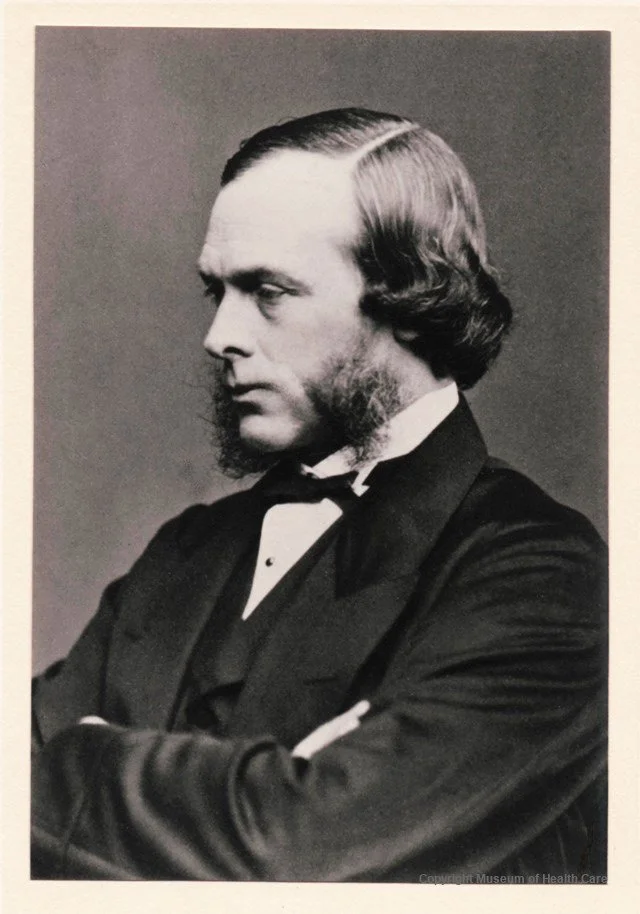
The Story of Joseph Lister and his Carbolic Acid Sprayer
Lister took this knowledge and combined it with the observation that carbolic acid was already being safely used to clean sewers and dress wounds, and in 1865 he created a new, aseptic method of surgery using carbolic acid to sanitize the operating room.
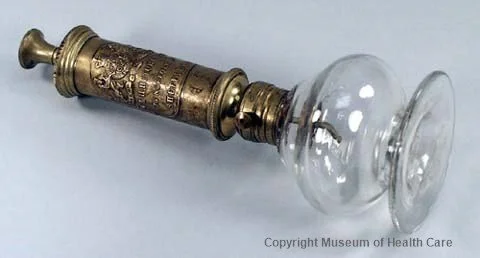
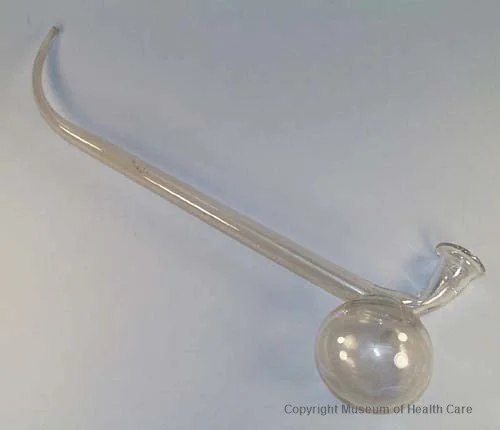
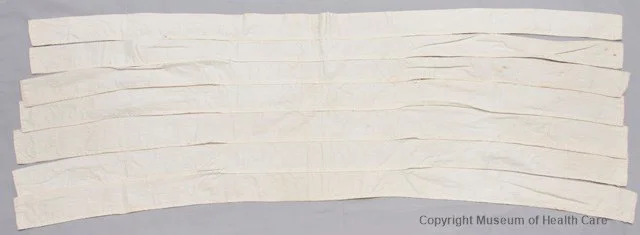
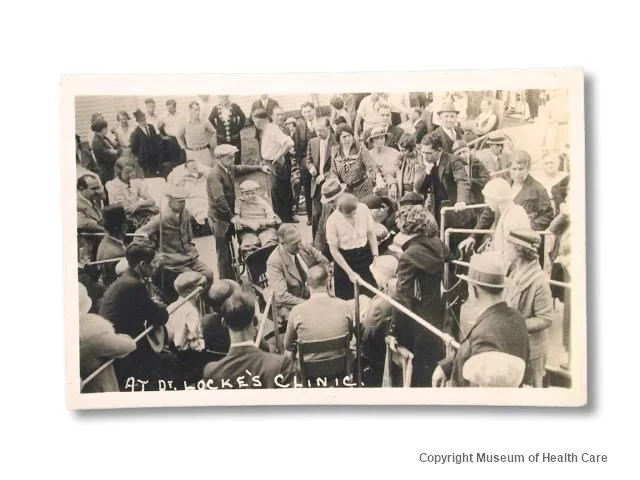
The Story of Dr. Mahlon Locke and his Arthritis Treatment
A graduate of the Queen’s College of Medicine, Dr. Locke opened his practice in Williamsburg, Ontario in 1908. After successfully treating a blacksmith for severe arthritis, his reputation began to spread. By 1932, he was treating around 2000 patients every day!
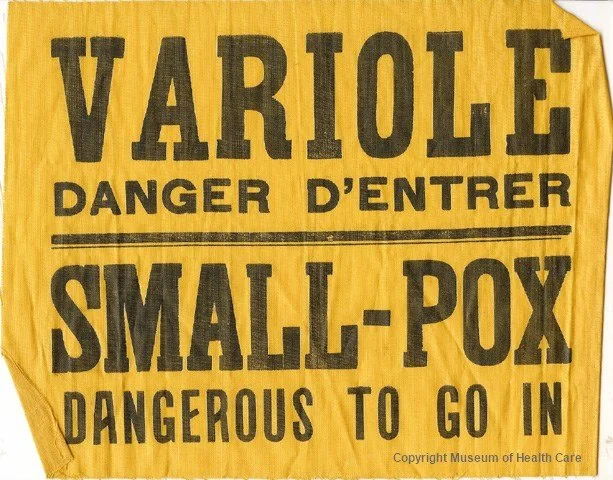
Smallpox – A Short History of Vaccination (Part 2)
Janet Parker was the last person in the world to die from smallpox in 1978. She was working as a scientific photographer above one of the labs at Birmingham Medical School. The lab was working with smallpox and Parker contracted the disease on August 11th. She would die a month later.This event shook the world not only because the last smallpox case in the UK was 5 years prior, but because smallpox was on its way to being confined to the history books.

The Story of Dr. Guilford B. Reed and his Influenza Vaccine
With the help of two research assistants, Dr. Reed developed a flu vaccine from the bacteria in naso-pharyngeal swabs of people infected with the Spanish Flu.
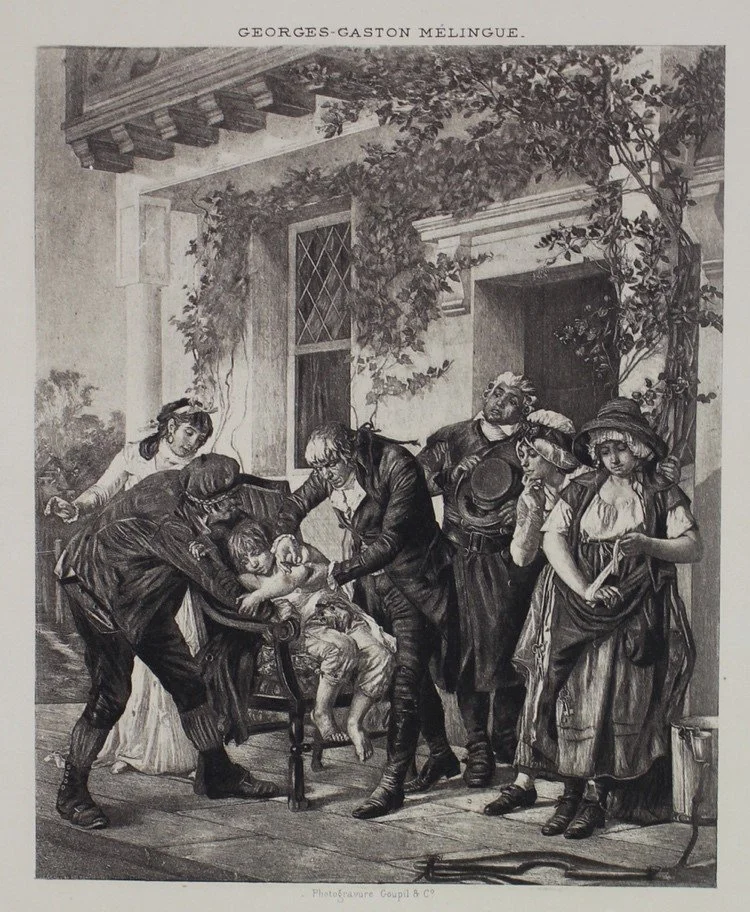
Smallpox - A Short History of Vaccination (Part 1)
After all, smallpox was declared eradicated from the world in 1980. “Eradicated” meaning it has been destroyed completely in nature. No one gets smallpox today. It is the only human virus that is confined to the history books, but how did smallpox become a thing of the past?