

MUSEUM BLOG
Explore our blog to learn about pieces from Canada’s largest collection of medical artifacts, discover the lesser-known history of health care, or hear about all of the exciting developments at the Canadian Museum of Health Care.

The Story of Nancy Malloy and her noble sacrifice
It was in Chechnya in 1996 that Malloy would lose her life, along with five others, as she slept in the hospital compound at Novye Atagi. A peace treaty had recently been signed between Russia and Chechnya, but tensions were still high after two years of warfare. A group of armed men (later found out to be Russians on a mission gone wrong), entered the hospital and killed Nancy Malloy and her colleagues.
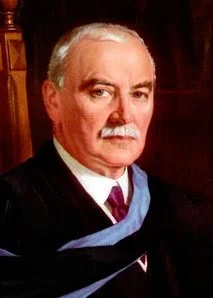
The Story of Dr. James C. Connell and his Book of a Life
He wrote his Book of a Life after he retired. He meant for the book to be a source of education to the public on both the importance of keeping health records and on healthy living standards. He is remembered as a good surgeon and teacher.
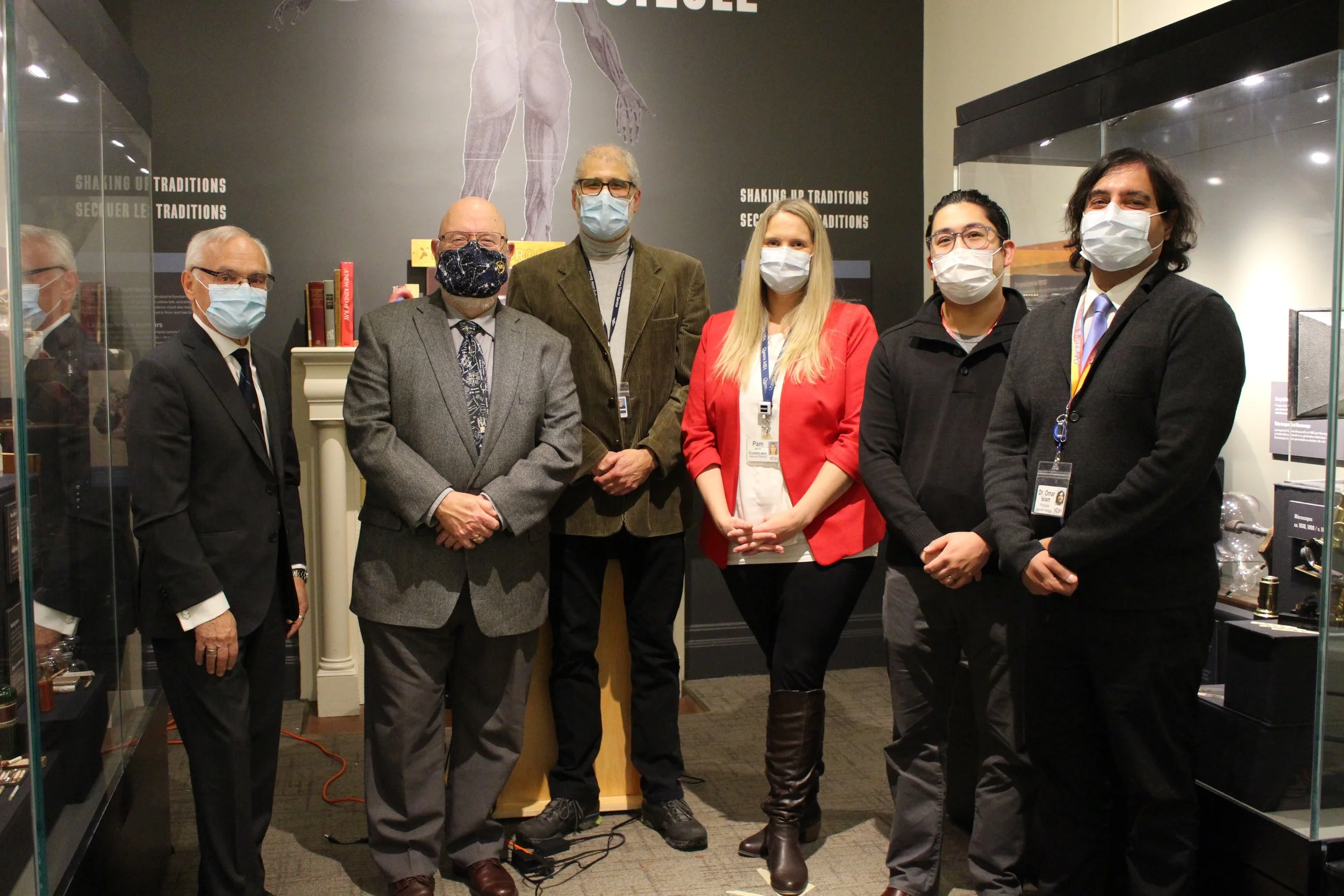
Museum hosts event celebrating the 125th anniversary of arrival of x-rays in Kingston
On Tuesday, November 16th the Museum of Health Care was pleased to host a virtual event celebrating the 125th anniversary of the arrival of x-ray technology in Kingston.
Presented by the Department of Diagnostic Radiology at Kingston Health Sciences Centre, the presentation included a history of x-ray technology from 1896 to present.
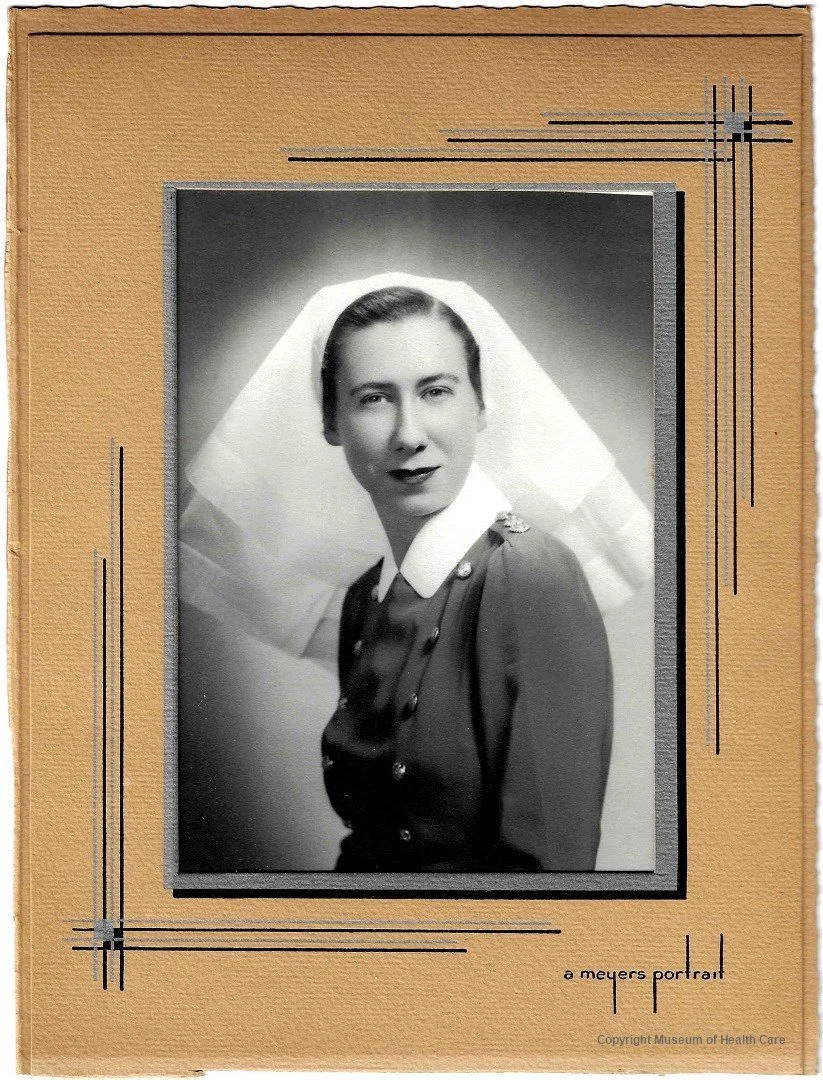
The Story of Viola Allan Abrum and her military commission
Viola Allan Abrum, born on June 9th, 1911, graduated from the Brockville General Hospital Training School for Nurses in 1933. After graduating, she worked as a private duty nurse before enlisting in the Royal Canadian Army Medical Corps. From 1941 to 1945, Captain (Matron) Viola Allan worked as a Nursing Sister in France and Belgium, as well as in England where she took care of Canadian prisoners of war at the No. 9 Unit in Horsham. As a Lieutenant, she received the military commission in 1943. After the war, in 1946, she was decorated as an Associate of the Royal Red Cross.
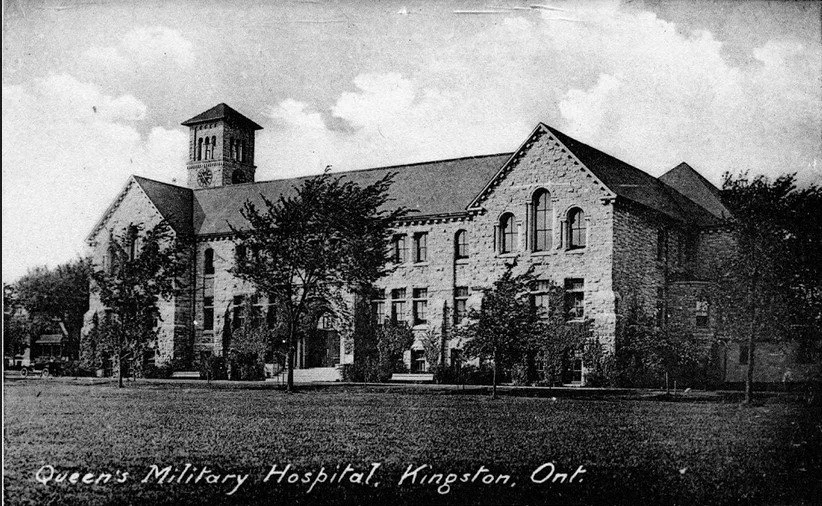
The History of Temporary Military Hospitals in Kingston
Kingston was especially hard-hit by these events compared to other towns. Even during a pandemic just over a hundred years ago, Kingston served the same role of regional health care centre as it did during the COVID pandemic. As the largest city between Ottawa and Toronto, Kingston’s healthcare facilities have always serviced a particularly large surrounding area. On top of this, Andrew Belyea, a previous Margaret Angus Research Fellow for the Museum, notes that Kingston was a military hub around the time of the First World War, with a very large number of soldiers stationed in or otherwise filtered through town (find his article here). This created a larger-than-expected need for hospital care when the war ended and soldiers began returning to Canada – a need that would be difficult to meet.

The Story of Dr. James Third and his x-ray innovations
He began working with x-rays in 1897, effectively picking up where John Cochrane, the first man to bring x-rays to Kingston, had left off. Dr. Third was responsible for the installation of x-rays in Kingston General Hospital, and he soon began discovering new ways they could be used for diagnosis, such as detecting pneumonia and tuberculosis, as well as using a fluorescent screen with the x-ray tube to observe real-time movement of the heart and lungs.

The Lived Experience of COVID-19 in Canada presentation recording available
Savannah Sewell (MARF 2021) presented the results of her project, in which she endeavored to create a holistic and human narrative focused account of the lived experience of COVID-19. Savannah spoke to the hurdles and highlights of her experience in amassing a foundational COVID-19 Collection for the Museum of Health Care, and offered examples of the artifacts and narratives collected.
The Story of Dr. Charles Kirk Clarke and the Rockwood Asylum
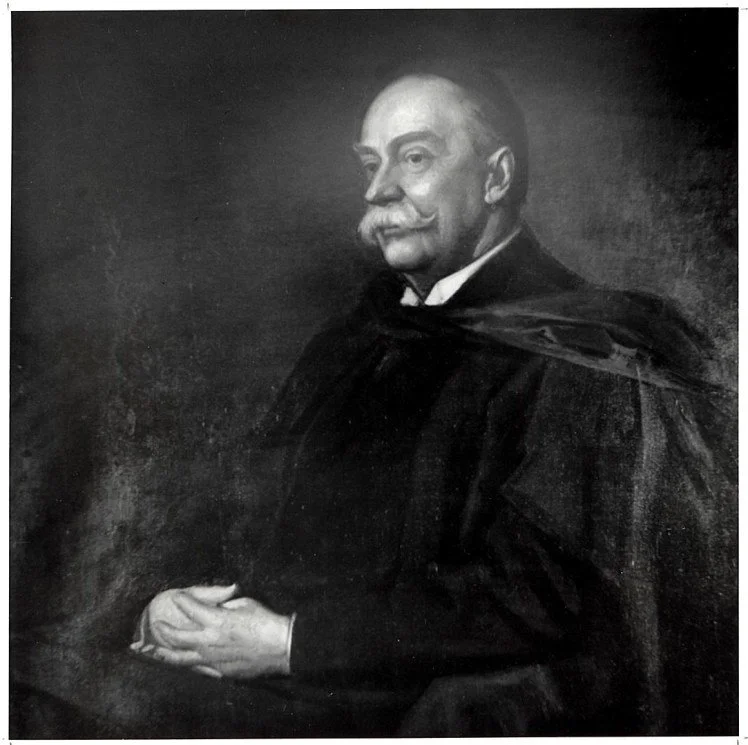
the psychiatric field, Clarke worked first as a clinical assistant at the Asylum for the Insane in Toronto, and then as assistant medical superintendent of the Hamilton Asylum. In 1882, he moved to Kingston and began work as assistant medical superintendent at Rockwood Asylum.