

MUSEUM BLOG
Explore our blog to learn about pieces from Canada’s largest collection of medical artifacts, discover the lesser-known history of health care, or hear about all of the exciting developments at the Canadian Museum of Health Care.

The Story of Robert Liston and his Surgical Skill
Dr. Robert Liston was a resolute gentleman, known for his incredible ability to perform surgeries at an alarmingly fast pace in order to reduce the pain and risk of shock and blood loss for the patient. Before anaesthetics were introduced into surgical practice, Liston’s speed often meant the difference between life and death for the person on the operating table. Liston was known as a skilled surgeon with an argumentative personality, due in part to his strong convictions and deep care for his patients. He had a strong sense of decency and was not afraid to call out his fellow surgeons and teachers - and even engage in physical confrontations - if he suspected they had behaved indecently.

The Story of Dudley Ward and his Dingbat Calendars
Remembered by so many for his fantastical creatures known as “Dingbats”, William Dudley Burnett Ward was an accomplished English-Canadian illustrator. His Dingbat characters, which combined cartoon art and surrealism, began appearing on advertising calendars for the Charles E. Frosst pharmaceutical company in 1915, and continued under different artists until they were discontinued in 1996 because it was decided that they represented unfair competition for other pharmaceutical brands. He also acted as an illustrator and cartoonist in England and Canada for many years. Today, in addition to the many Dingbat calendars in the collections of the Museum of Health Care, his works can be found in the National Gallery of Canada and the AGO - Art Gallery of Ontario.
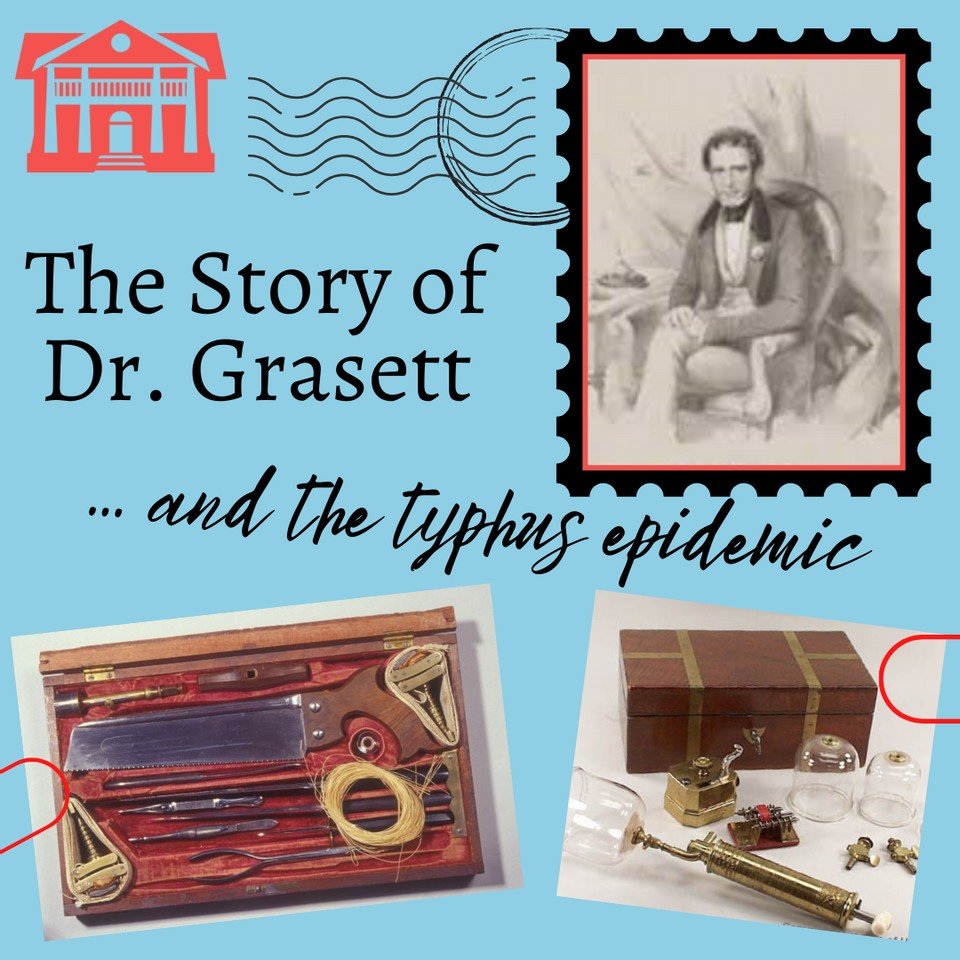
The Story of Dr. Grasett and the Typhus Epidemic
Dr. G. R. Grasett practiced in Amherstburg, Upper Canada (Ontario) and was Assistant Surgeon in the Royal Essex Light Infantry during the Upper Canada Rebellion. He fell ill with typhus within two weeks of working at the Emigrant Hospital, and passed away on July 16th, 1847, at the age of thirty-six. He was remembered as a compassionate, devoted doctor, and is commemorated today at Grasett Park in Toronto, which was built on the same spot where the fever sheds were, and is managed by the Canada Ireland Foundation.
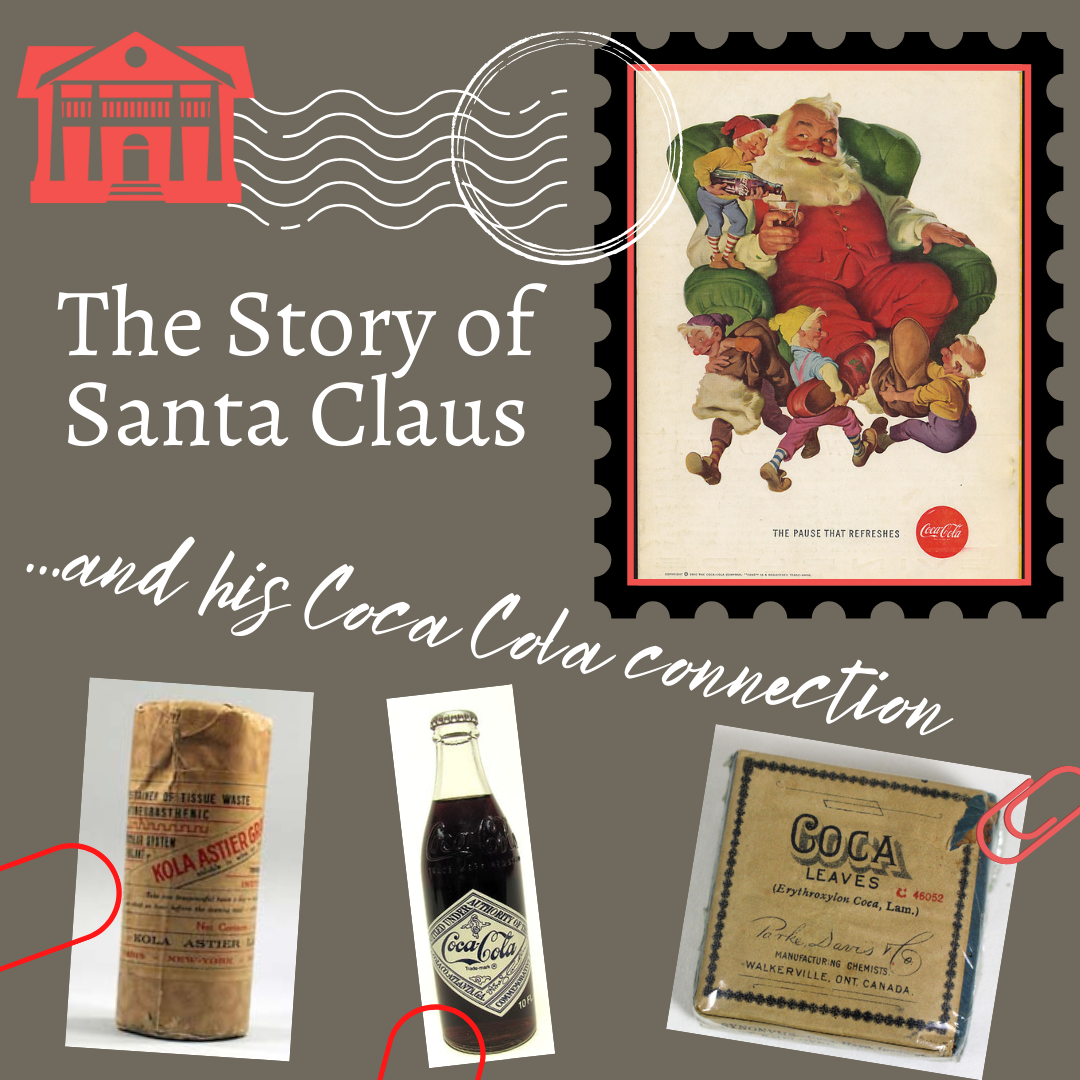
The Story of Santa Claus and his Coca-Cola connection
So why does the Museum of Health Care have bottles of Coca-Cola in its collections? When Coca-Cola was first sold in the late-nineteenth century, it was marketed as a patent medicine which could cure headache, neuralgia, melancholy, hysteria, morphine addiction, and more. This was because it contained cocaine, from the coca leaves from which it was made, and caffeine, from kola nuts. It was not until around 1903-1904 that the company removed cocaine from the popular drink due to changes in laws surrounding the drug.
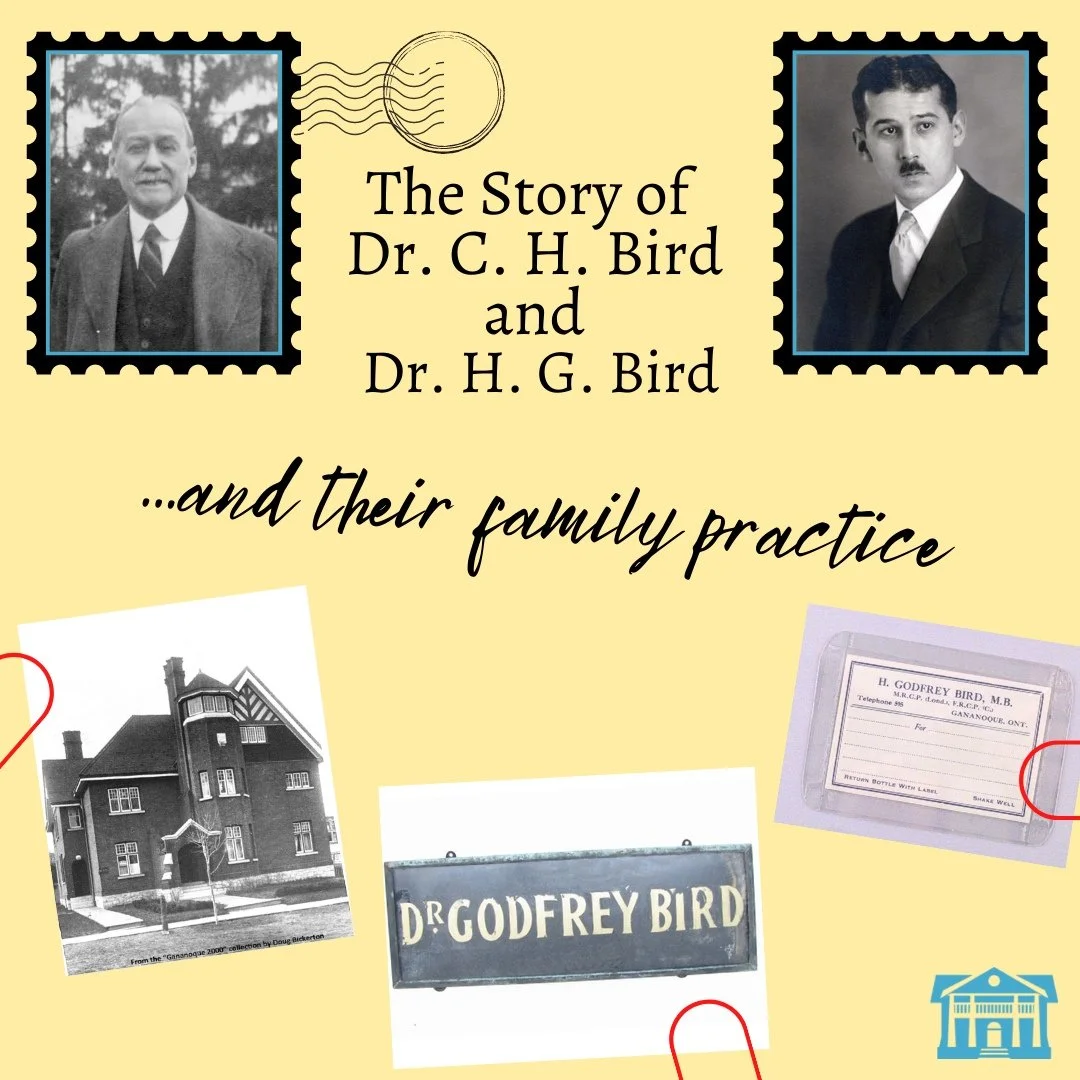
The Story of Dr. C. H. Bird and Dr. H. G. Bird and their family practice
Meet father-son medical team Dr. Charles H. Bird and his son Dr. H. Godfrey Bird! Collectively, this pair of
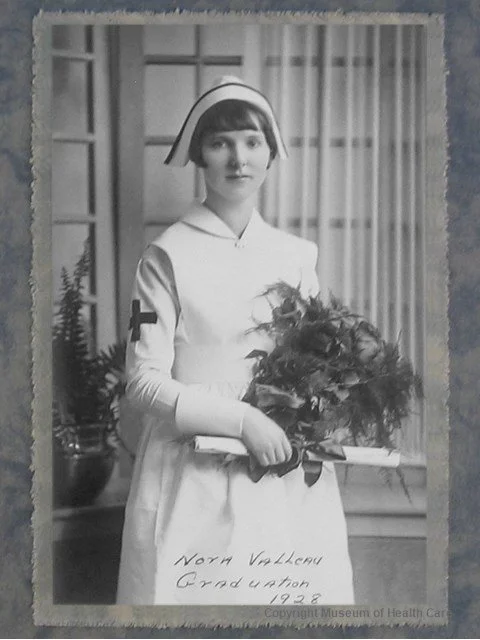
The Story of Nora Valleau and her career in nursing
If you happen to be browsing through the Museum of Health Care’s online database in the nursing category, you might notice that a lot of the artefacts therein-- 185, in fact-- were donated by one Nora Valleau.

Museum Committee Members Wanted!
We are looking for enthusiastic committee members who will help support museum staff and work diligently to support our mission and vision. Our vision is to be recognized as the national resource for Canada’s evolving health and healthcare history. Our mission is to inspire wonder, promote learning and create knowledge that contributes to a better future in health and healthcare.


The Story of Nancy Malloy and her noble sacrifice
It was in Chechnya in 1996 that Malloy would lose her life, along with five others, as she slept in the hospital compound at Novye Atagi. A peace treaty had recently been signed between Russia and Chechnya, but tensions were still high after two years of warfare. A group of armed men (later found out to be Russians on a mission gone wrong), entered the hospital and killed Nancy Malloy and her colleagues.
The Story of Dr. James C. Connell and his Book of a Life
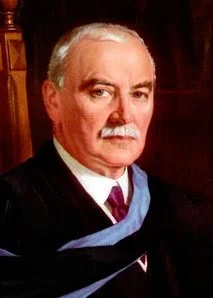
He wrote his Book of a Life after he retired. He meant for the book to be a source of education to the public on both the importance of keeping health records and on healthy living standards. He is remembered as a good surgeon and teacher.