Objective or Oppressive? A History of Racism, Eugenics, and Standardized Intelligence Testing in Canada
CONTENT WARNING
This piece contains several mentions of outdated and derogatory terminology used to describe individuals with neurodevelopmental and learning disorders, as well as intellectual disabilities. These terms appear in a historical/critical context and do not reflect the current standards and expectations for respectful language for mental disorders. This piece contains discussions of eugenics and systemic discrimination against individuals with neurodevelopmental and learning disorders and intellectual disabilities. This piece also contains discussions of both anti-Black and anti-Indigenous racism in education and public health.
What does it mean to be intelligent? Is it a fixed trait predetermined by your genetic potential, or a skill improved with practice, dedication, time, and adequate resources? More importantly, on what basis do we distinguish those who are considered “intelligent” from those who are “unintelligent”? Unfortunately, many proposed answers to these questions have been informed by racist, sexist, and ableist ideologies. Despite many attempts to portray standardized intelligence tests as an objective measure of cognitive functioning and intellectual ability, many studies have illustrated that they have been utilized in the defence of deeply prejudiced social and cultural institutions. The applications of standardized intelligence testing in Canada are no exception. Throughout Canadian history, intelligence testing has been used to enforce ableism as well as anti-Black and anti-Indigenous racism in education and public health.
The Origins of Intelligence Testing in Europe and North America
In 1869, Francis Galton, a British explorer, eugenicist, and anthropologist, published his famous book, Hereditary Genius, in which he claimed that “intelligence,” similar to physical traits, was entirely genetically determined [1]. Much like his famous naturalist cousin, Charles Darwin, Galton was very interested in the mechanisms underlying genetics and heredity [2]. In Hereditary Genius, Galton observed that “successful individuals” were likely to have biological relatives who achieved success in similar careers and areas of study [3]. It was based on these observations that Galton proposed the invention of a prospective measure to help identify these “highly intelligent” individuals early in their lives. Galton proposed that young men and women should be required to take an examination testing them for various “valuable qualities” [4]. Additionally, he suggested encouraging the highest-scoring men and women to procreate as much as possible to offset the number of children born to parents of “lesser abilities” [5]. Galton’s “exam” is one of the earliest examples we have of a proposed “intelligence test” [6]. While Galton never actually got to write this exam, the concept influenced many later scientists, including the author of the first standardized intelligence test, French psychologist Alfred Binet [7].
The First Formal Standardized Intelligence Test
In 1905, Binet and his psychiatrist colleague, Theodore Simon, developed the Binet-Simon scales of intelligence [8]. They originally consisted of thirty short cognitive tests with increasing levels of difficulty evaluating various aspects of cognitive functioning, including arithmetic skills, short-term memory, reasoning, and verbal comprehension and fluency [9]. Binet and Simon observed that for most children, their total scores increased with age, supposedly corresponding with age-related improvements in cognitive ability [10]. In 1908, Stanford and Binet revised the scoring system; instead of using total scores on all tests to measure overall performance, they decided to group the tasks into "levels" based on age [11]. Children began performing tasks within their age level, progressing in difficulty until they failed to complete a majority of the tasks [12]. The child’s Intellectual level, or “mental age,” was designated based on the highest level at which the majority of tasks were successfully completed [13].
In 1910, the American psychologist Lewis Terman made further revisions to Binet’s scoring system, resulting in the creation of the Binet-Stanford test, more commonly recognized as the modern IQ test [14]. Terman expanded the variety and difficulty of tasks to also test adult populations, and introduced an alternative measurement for cumulative scores: the Intelligence Quotient (IQ) [15]. An individual’s IQ is obtained by dividing their “mental age” (as indicated by their performance on the test) by their chronological age and multiplying by 100 [16]. The Binet-Simon scale was also famously used to identify cases of “irregular” intellectual development. Binet proposed “abnormal” as a label for children whose mental age was two or more years younger than their chronological age and further recommended these children receive instruction in specialized educational institutions [17]. Interestingly, Alfred Binet staunchly opposed the opinions of eugenicists, even stating that one number should not be used as a definitive measure of overall mental ability [18]. Despite Binet’s opinions, the Binet-Simon test and its later revisions were used frequently alongside other tests to enforce harmful and discriminatory practices within educational, political, and social institutions. The Canadian Museum of Health Care has several artifacts and records that discuss how many of these assessments were administered by nurses, psychiatrists, and other medical practitioners. This first item shown below is a booklet from 1927 containing detailed instructions for psychiatrists on how to administer psychological assessments to patients who were considered “mentally deficient”. The second item is a 1966 article from a nursing journal discussing the care of patients with “mental deficiencies” in nursing clinics.
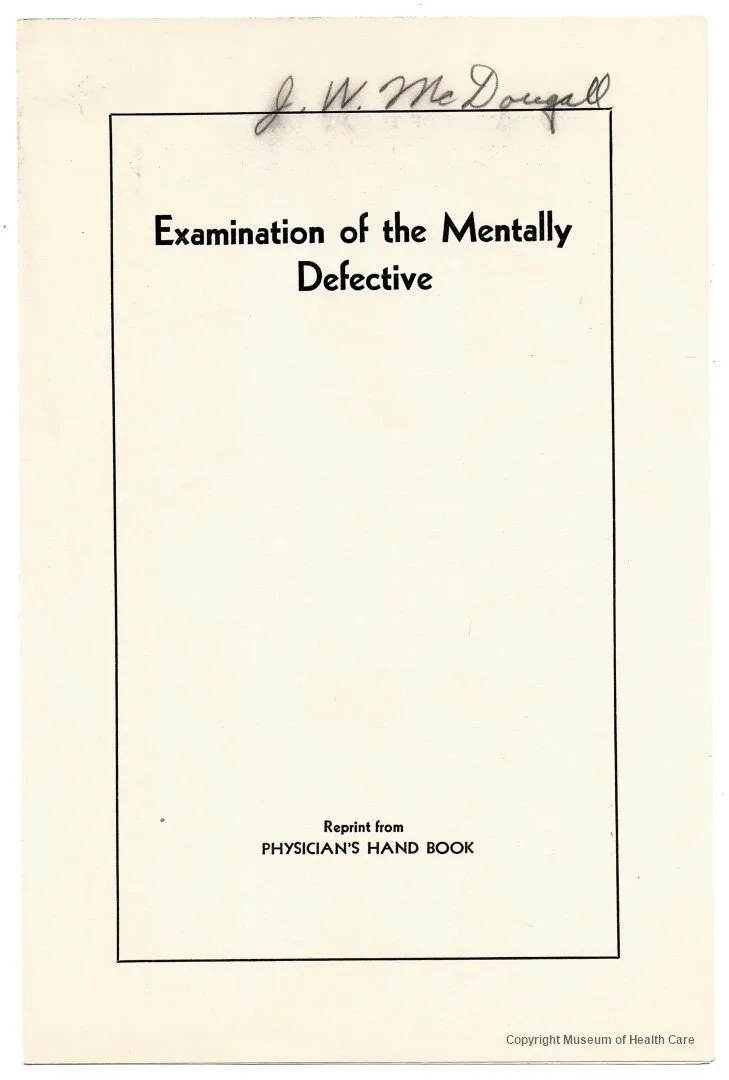
Figure 1 - Examination of the Mentally Defective [instructions booklet]
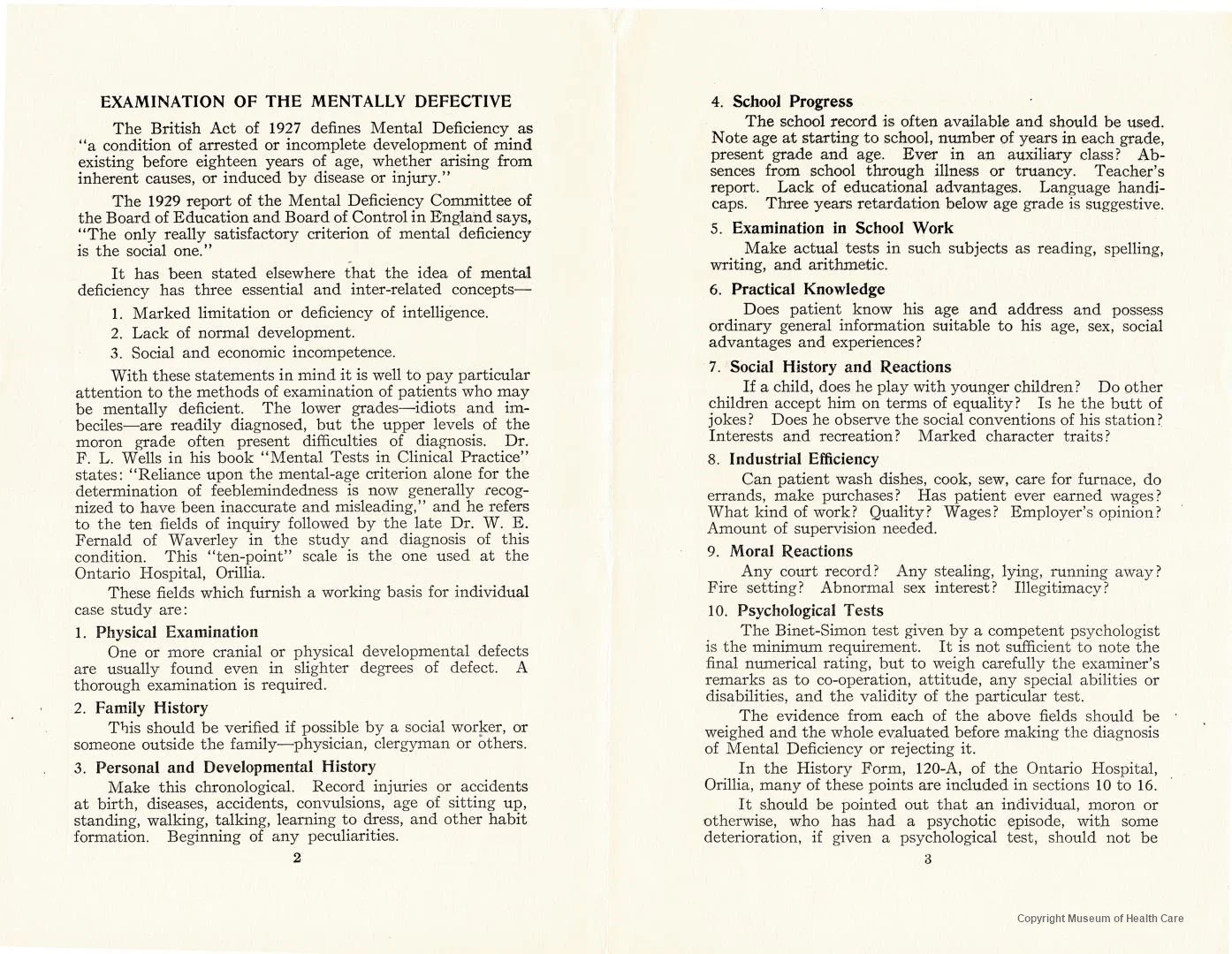
Figure 2 - Examination of the Mentally Defective [instructions booklet]
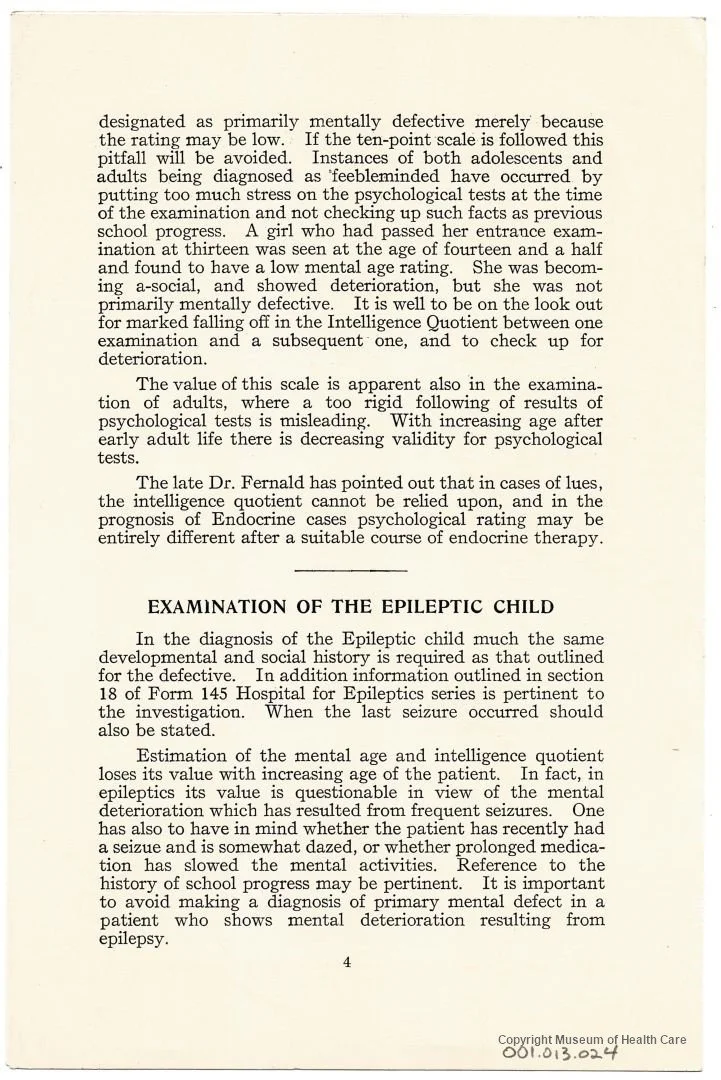
Figure 3 - Examination of the Mentally Defective [instructions booklet]
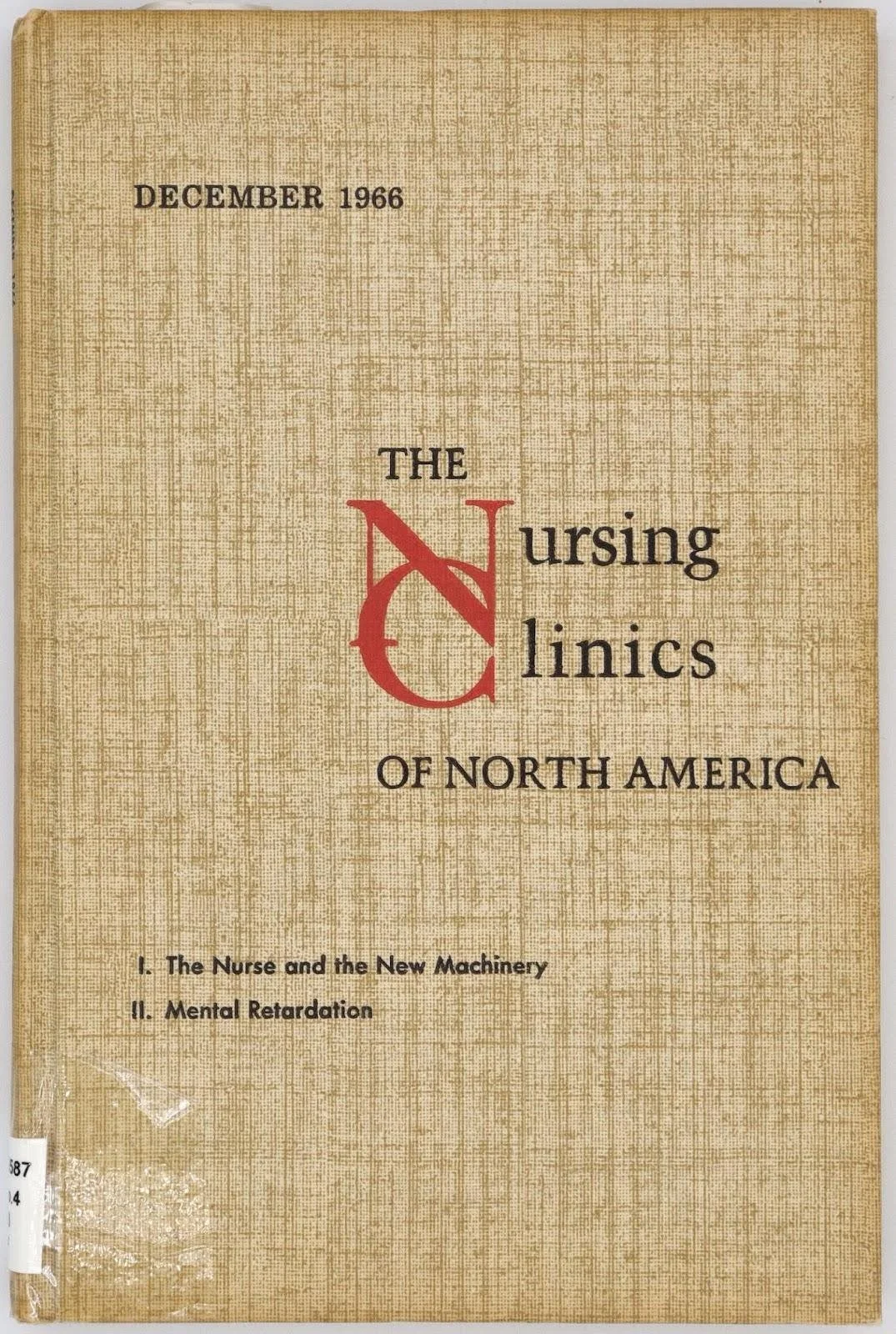
Figure 4 - The Nursing Clinics of North America: I. The Nurse and the New Machinery. II. Mental Retardation [nursing journal]
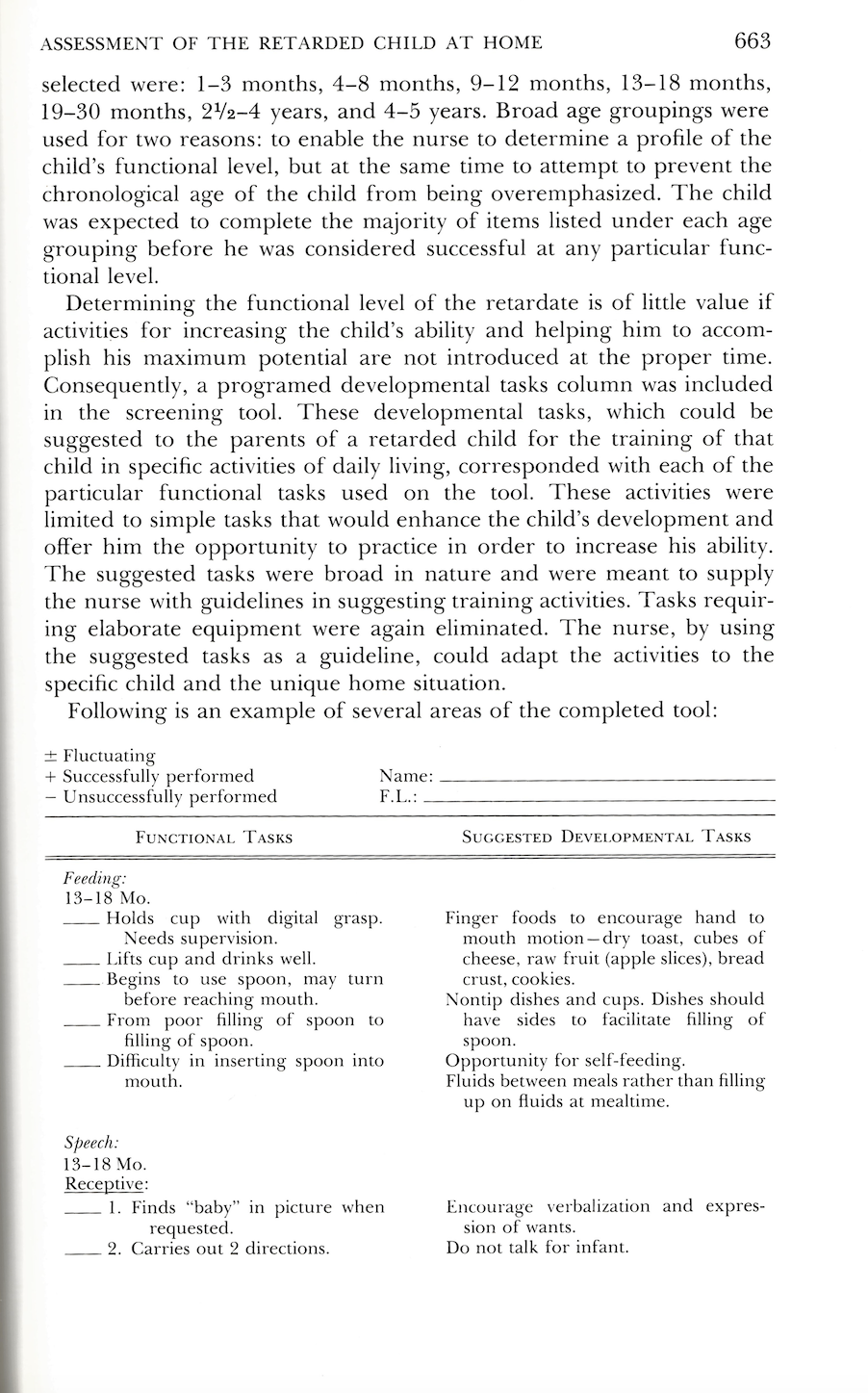
Figure 5 - The Nursing Clinics of North America: I. The Nurse and the New Machinery. II. Mental Retardation [nursing journal]
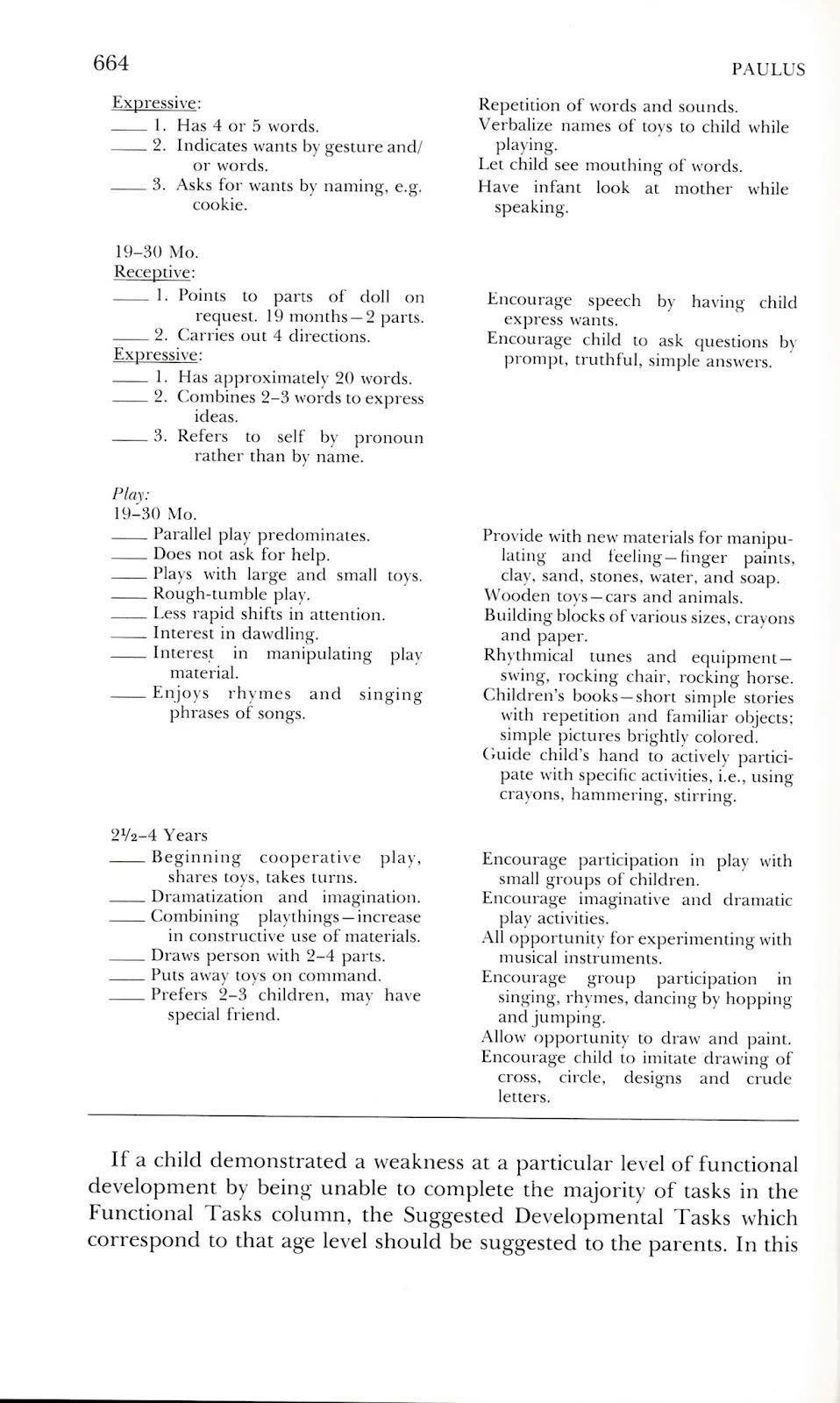
Figure 6 - The Nursing Clinics of North America: I. The Nurse and the New Machinery. II. Mental Retardation [nursing journal]
Standardized Intelligence Tests and the ”Menace of the Feeble-minded”
Throughout the early twentieth century, the phrase “menace of the feeble-minded” was used to refer to the widespread fear that “mentally inferior” individuals would reproduce at disproportionately high rates [19]. During this period, definitions of “feeblemindedness” were incredibly broad, often encompassing a wide range of “undesirable” behaviours and traits. Individuals experiencing ‘deficiencies' in their employment capacity, as well as their physical, cognitive, social, and “moral” functioning, were frequently labelled “feebleminded” [20]. The invention of standardized intelligence tests immediately caught the attention of many North American social and educational institutions [21]. Standardized evaluations that produced quantifiable measurements of “innate” mental abilities provided a more “objective” characterization of “feeblemindedness” [22]. However, research has shown that these standardized evaluations were nowhere near as “objective” as experts claimed.
Negative Eugenics & Forced Sterilization in British Columbia and Alberta
Many proposed “solutions” to the “problem” of the “menace of the feeble-minded” were informed by negative eugenics: the belief that individuals with “undesirable” hereditary traits (including “low intelligence”) should be segregated from the rest of the population and actively prevented from passing down their genetic “deficiencies” [23]. Of these “solutions”, the most notable was the involuntary sterilization of individuals who “performed poorly” on standardized tests assessing intellectual abilities [24]. The American psychologist Henry Goddard, a supporter of intelligence testing and negative eugenics, used the term “feebleminded” to specifically refer to individuals who possessed IQs less than 70 (compared to an average of 100) [25].
In 1928 and 1933, the provincial governments of British Columbia and Alberta passed laws mandating the sterilization of individuals in psychiatric institutions identified as “feebleminded”. Alberta’s law titled The Sexual Sterilization Act permitted the surgical sterilization of institutionalized “feebleminded” individuals. Patients could only be safely discharged if a small “eugenics board” determined they were unable to pass down their “defective” traits [26]. Initially, the patient’s consent was required to perform this procedure; however, a 1937 amendment removed this requirement deeming consent unnecessary for individuals considered “mentally defective” [27]. British Columbia’s law An Act Respecting Sexual Sterilization, was similar, but instead made involuntary sterilization compulsory if a “eugenics board” considered them at “risk” of passing down their “mental deficiencies” upon release. This rule applied to industrial schools as well as psychiatric institutions [28] [29]. The act also stipulated that written consent of the patient was required to perform the procedure; however, in cases where the patient was deemed “incapable” of consenting or had no living family to do so on their behalf, the Provincial Secretary was responsible for providing consent in their place [30]. From 1928 to 1972, approximately 2800 individuals were sterilized in Alberta, and approximately 330 individuals were sterilized in British Columbia from 1933 to 1973 [31] [32]. Not only were individuals unable to contest the procedure, but many were coerced into undergoing surgical sterilization, hiding the procedure’s true purpose [33].
One well-documented case of this deception is Leilani O’Malley. In 1956, when O’Malley was 11 years old, she was admitted to the Provincial Training School for Mental Defectives in Red Deer, Alberta [34]. In 1957, she completed an IQ test and was designated by the school as a “moron” and subsequently ordered to be sterilized [35]. Two years later, O’Malley, who was told at the time that she was receiving an appendectomy, was instead sterilized through a bilateral salpingectomy [36]. O’Malley was never informed of the true nature of this surgery until it was discovered by a doctor many years later while she and her partner were attempting to conceive [37]. O’Malley’s scores on later evaluations fell within the normal range. In addition to this, O’Malley’s scores from 1957 were likely impacted by the extreme neglect and abuse she experienced as a young child [38]. In 1996, O’Malley successfully sued the Government of Alberta for wrongful sterilization and was awarded $740,780 in damages [39]. Her success inspired others to hold their government and institutions accountable for perpetuating eugenics through these harmful policies. The ableist use of low scores on standardized intelligence tests as justification for compulsory sterilization is one example of how intelligence tests have been used to support discriminatory ideologies in Canada.
Standardized Intelligence Testing and Anti-Indigenous Racism
Throughout the early twentieth century, many studies investigating patterns and trends in standardized intelligence test scores found that people of colour (in particular Black and Indigenous populations) consistently received lower scores compared to White populations [40]. Many eugenicists and scientists pointed to these scores as proof that people of colour were innately “mentally inferior” [41]. More recent historical research has determined that differences in linguistic knowledge, quality of education, barriers to educational resources, and psychological impacts of systemic racism as more plausible explanations for these observed differences in performance [42].
Throughout Canadian history, results from studies investigating the performance of Indigenous students in residential schools on standardized intelligence tests have been used to perpetuate anti-Indigenous racism. One 1927 study conducted in Manitoba and Alberta claimed that while the scores of Indigenous students on standardized intelligence tests were mostly satisfactory, the scores obtained from residential schools showed far more cases of “mental deficiency,” and that their “intellectual development” was slower than that of White students [43]. Many modern studies cite contrasting understandings of “intelligence” and linguistic knowledge as the most likely factors contributing to these disparities. For many cultures, conceptualizations of intelligence aren't inherently tied to academic performance or the speed at which an individual can successfully complete cognitively demanding abstract tasks [44]. Furthermore, studies have shown that for many standardized intelligence tests, English language proficiency is one of the strongest consistent predictors of performance [45]. In addition to this, the quality of “education” administered within residential schools was often beyond subpar. Many “teachers” in these institutions often lacked multiple necessary certifications and qualifications [46]. The curricula administered within many residential schools often underwent alterations based on results from standardized intelligence tests and pre-existing anti-Indigenous ideologies. For example, administrators and officials within government institutions like the Department of Indian Affairs recommended that residential schools adopt curricula focused on “technical skills” intended for individuals with “lower intellectual capacities” [47]. Weaponizing intelligence tests, deliberately designed for white and English-speaking populations, to justify the racist belief that Indigenous peoples are “intellectually inferior” and rationalize the racist existence of strategically substandard educational institutions are just some examples of how these tests have been used to enforce systemic discrimination against marginalized groups in Canada.
Standardized Intelligence Testing and Anti-Black Racism
Many standardized intelligence tests also present bias against Black populations. One 1985 study found that the IQ scores of Black and White students consistently differed by approximately 15 points [48]. Similar to the results obtained from Indigenous students, they were utilized in support of pre-existing racist claims that Black students were inherently “intellectually inferior” to White students [49]. Modern research on likely contributors to these disparities has cited environmental factors such as cultural background and linguistic knowledge [50]. This is further supported by the results of a 2008 study, which found that this performance gap was significantly reduced when Black students were given study materials beforehand containing analogies and vocabulary commonly encountered on IQ tests [51].
Unfortunately, in Canada, this disparity was used to inform educational policies supporting these racist beliefs. One famous example is a 1939 study conducted in Ontario. Dr. Harry Tanser, a superintendent of schools in Kent County, Ontario, published the results of his study examining the scores of Black and White students in Kent County public schools on a variety of standardized intelligence tests [52]. The study revealed that the average IQ scores for White and mixed-race students consistently exceeded those of Black students [53]. Kent County had a substantial Black Population and contained both integrated and segregated public schools [54]. Tanser cited the existence of integrated schools in Kent County as evidence that these disparities were not attributable to socioeconomic factors but instead “verifiably inherent” [55]. In defence of this position, Tanser even omitted data showing that Black students typically left school earlier than White students [56]. The use of the results obtained through inherently racially and culturally biased measures of cognitive functioning and “intellectual ability” to justify racist ideologies that argue in favour of the “intellectual inferiority” of Black populations is another example of how standardized intelligence tests have been used to enforce systemic racism within Canadian educational institutions.
Conclusion
In conclusion, standardized intelligence tests have been used to enforce discriminatory policy in public health, education, and numerous other areas. In recent years, many experts have proposed the use of alternative tests that rely less on English fluency and cultural knowledge, such as the Kaufman Assessment Battery for Children (KABC II), Cognitive Assessment System (CAS), and the Differential Abilities Scale (DAS) [57]. The answer to the question “What does it mean to be intelligent?” has changed over centuries, repeatedly highlighting a bias towards very narrow and specific Euro-centric understandings of intelligence and cognitive ability. To combat these baises within these perspectives, we must understand how socioeconomic factors and barriers to adequate education influence students’ academic performance. Our conceptualization of “intelligence” should also account for factors outside of academic performance and the speed at which one can complete tasks that incorporate specific cultural and linguistic information.
Endnotes
[1] Fancher, Raymond E, and Alexandra Rutherford. Pioneers of Psychology : A History. Fifth edition (New York, NY: W.W. Norton & Company, Inc., 2017), 250.
[2] Fancher & Rutherford, 250.
[3] Fancher & Rutherford, 250.
[4] Fancher & Rutherford, 258.
[5] Fancher & Rutherford, 258.
[6] Fancher & Rutherford, 258.
[7] Fancher & Rutherford, 258.
[8] Corwin Boake. “From the Binet-Simon to the Wechsler-Bellevue: Tracing the History of Intelligence Testing.” Journal of Clinical and Experimental Neuropsychology 24, no. 3 (2002): 385.
[9] Boake, 385.
[10] Boake, 386.
[11] Boake, 386.
[12] Boake, 386.
[13] Boake, 386.
[14] Boake 386, 387.
[15] Boake 386
[16] Boake 396
[17] Elisabetta Cicciola, Renato Foschi, and Giovanni Pietro Lombardo. “Making Up Intelligence Scales: De Sanctis’s and Binet’s Tests, 1905 and After.” History of Psychology 17, no. 3 (2014): 226.
[18] Holden, LaTasha R, and Gabriel J Tanenbaum. “Modern Assessments of Intelligence Must Be Fair and Equitable.” Journal of Intelligence 11, no. 6 (2023): 3.
[19] Fancher & Rutherford, 264
[20] "Feeblemindedness." In Encyclopedia of Disability, edited by Albrecht, Gary L. (Thousand Oaks, CA: SAGE Publications, Inc., 2006) 723.
[21] Albrecht, 723.
[22] Albrecht, 723.
[23] Rowlands, Sam, and Jean-Jacques Amy. “Sterilization of Those with Intellectual Disability: Evolution from Non-Consensual Interventions to Strict Safeguards.” Journal of Intellectual Disabilities 23, no. 2 (2019): 234.
[24] Rowlands & Amy, 234.
[25] Allen, Garland E. “Eugenics” in Kempf Leonard, Kimberly. Encyclopedia of Social Measurement, edited by Kimberly Leonard Kempf *San Diego, California ; Academic, 2005)
[26] Buratovich, Michael A. “Alberta Sexual Sterilization Act.” EBSCO Information Services, Inc. | www.ebsco.com, 2022. https://www.ebsco.com/research-starters/law/alberta-sexual-sterilization-act.
[27] “Eugenics and Coerced Sterilization: The State in the Bedroom - The Evolution of Reproductive Rights in Canada,” University of Toronto Libraries, accessed July 27, 2025, https://exhibits.library.utoronto.ca/.
[28] Gail van Heeswijk, "’An Act Respecting Sexual Sterilization’: Reasons for Enacting and Repealing the Act." (MA diss., University of British Columbia, 1994), 1.
[29] van Heeswijk, 42.
[30] van Heeswijk, 43.
[31] Buratovich.
[32] Tabitha De Bruin and Gerald Robertson, “Eugenics in Canada,” the Canadian encyclopedia, 2006, https://www.thecanadianencyclopedia.ca/en/article/eugenics.
[33] Eugenics and Coerced Sterilization: The State in the Bedroom - The Evolution of Reproductive Rights in Canada,”
[34] Kristine Kowalchuk, “Leilani Muir and Eugenics in Alberta,” Edmonton City as Museum Project ECAMP, March 14, 2023.
[35] Kowalchuk.
[36] Kowalchuk
[37] Kowalchuk.
[38] Kowalchuk.
[39] Kowalchuk.
[40]Alexandra Giancarlo. “To “Evaluate the Mental Powers of the Indian Children": Race and Intelligence Testing in Canada’s Indian Residential School System.” Historical Studies in Education 34, no. 2 (2022) 5.
[41] Giancarlo, 6.
[42] Sharon Senior. “Canadian Native Intelligence Studies: A Brief Review.” Canadian Journal of Native Education 20, no. 1 (1993): 150.
[43] Giancarlo, 8.
[44] Senior, 150.
[45] Senior, 152.
[46] Giancarlo, 3.
[47] Giancarlo, 10.
[48] Joseph F. Fagan and Cynthia R Holland. “Equal Opportunity and Racial Differences in IQ.” Intelligence (Norwood) 30, no. 4 (2002): 362.
[49] Fagan & Holland, 364.
[50] The Schubert Centre for Child Studies at Case Western Reserve University. “A Theory of Intelligence as Processing: Implications for Addressing Racial Differences in IQ (Policy Brief)” (2008) 10.
[51] The Schubert Centre for Child Studies at Case Western Reserve University, 10.
[52] McCorkindale, Deirdre. “What Colour Is Intelligence?: Kent County and the Tanser Study,” (2025) 2.
[53] McCorkindale, 3.
[54] McCorkindale, 108.
[55] McCorkindale, 161.
[56] McCorkindale, 161, 165.
[57] Holden & Tanenbaum, 3.
About the Author

Ella R. Stewart
Ella is originally from Orangeville, Ontario and is currently a fourth-year bachelor of arts honours student at Queen’s University majoring in psychology and minoring in history. She possesses a strong academic background in 20th-century Canadian history as well as in clinical and cognitive psychology. When she’s not studying or working, you can find her reading, biking, skiing, or catching some live music!